


Reading different topics every day builds knowledge, improves thinking, and keeps the mind active. It helps people learn faster, understand better, and stay informed in a simple and effective way.
What “Your Topics | Multiple Stories” Means
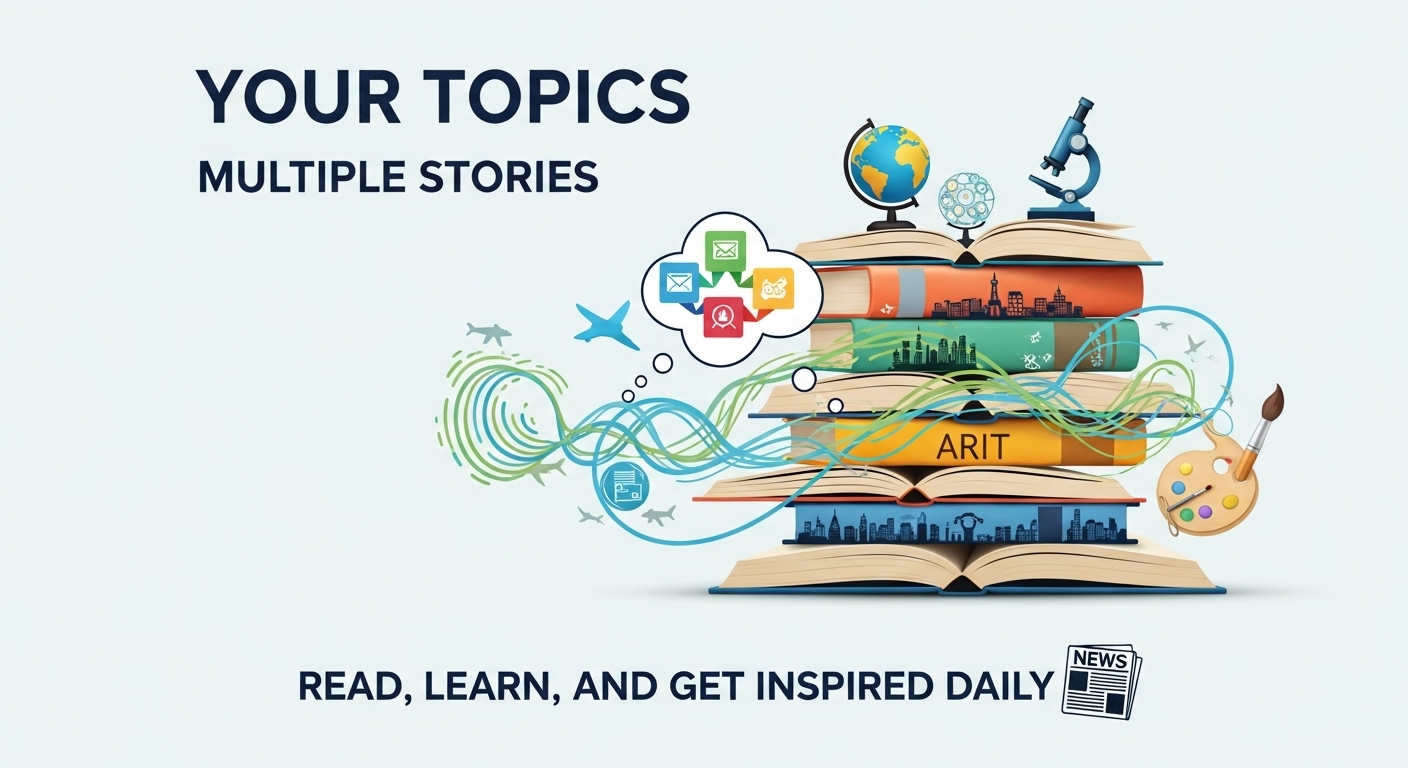
“Your Topics | Multiple Stories” refers to reading content from different subjects in one place. It includes articles, guides, news, and educational content across many fields.
This approach allows readers to explore:
- Education topics
- Technology updates
- Health information
- Business and finance
- Lifestyle and personal growth
Each topic provides new ideas and useful knowledge. Reading multiple stories daily helps build a strong information base.
Why Reading Multiple Topics Is Important
Reading only one subject limits knowledge. Multiple topics expand understanding and improve learning ability.
Key Benefits
| Benefit | Explanation |
|---|---|
| Better knowledge | Covers many fields and improves awareness |
| Strong thinking | Helps analyze different ideas |
| Improved focus | Trains the brain to stay engaged |
| Faster learning | Connects information from different areas |
| Better communication | Builds vocabulary and expression |
Research shows that regular reading improves brain function, memory, and comprehension skills.
How Daily Reading Improves Learning
Daily reading creates a habit of continuous learning. Even short reading time can produce long-term results.
Brain Development
Reading stimulates brain activity and creates strong neural connections. It improves memory and thinking ability over time.
Knowledge Growth
Each article adds new information. Over time, this builds a wide knowledge base that supports decision-making.
Focus and Attention
Reading requires concentration. This helps improve attention span and mental discipline.
Language Skills
Reading different topics introduces new words and sentence structures. This improves writing and speaking skills.
Types of Topics You Should Read Daily
Reading should include a mix of important and useful topics.
Common Topic Categories
| Category | What You Learn |
|---|---|
| Education | Concepts, skills, and academic knowledge |
| Technology | Latest tools, apps, and innovations |
| Health | Wellness tips and medical basics |
| Business | Market trends and financial ideas |
| Lifestyle | Daily habits and productivity tips |
This mix ensures balanced learning and better understanding of the world.
For readers interested in regional knowledge and location-based insights, Severna Dakota offers useful information that supports learning across different topics.
How Multiple Stories Improve Thinking Skills
Reading different viewpoints improves critical thinking. It helps readers compare ideas and understand facts clearly.
Key Thinking Improvements
- Ability to analyze information
- Better decision-making skills
- Understanding of cause and effect
- Improved problem-solving ability
Reading also trains the brain to process complex information more effectively.
Daily Reading Builds Strong Habits
A simple daily reading routine creates discipline. It also improves consistency in learning.
Simple Daily Reading Plan
| Time | Activity |
|---|---|
| 10 minutes | Read one short article |
| 10 minutes | Read a different topic |
| 10 minutes | Review key points |
Even 30 minutes per day can lead to strong learning results over time.
How to Choose the Right Content
Not all content provides value. Selecting the right topics is important for effective learning.
Selection Tips
- Choose trusted and reliable sources
- Focus on clear and factual content
- Avoid misleading or unverified information
- Pick topics that add useful knowledge
This ensures accuracy and builds trust in the information you read.

Role of Digital Platforms in Reading
Online platforms make it easy to access multiple topics in one place. Readers can explore content anytime.
Advantages of Digital Reading
- Easy access to information
- Wide range of topics
- Regular content updates
- Mobile-friendly reading
Digital reading supports continuous learning without limits.
To explore more structured content and discover helpful resources, you can also check out Visit Vuzillfotsps for detailed insights and topic-based reading.
How Reading Improves Communication
Reading multiple stories improves how people express ideas. It builds strong communication skills.
Communication Benefits
| Skill | Improvement |
|---|---|
| Writing | Clear sentence structure |
| Speaking | Better word choice |
| Understanding | Faster comprehension |
| Expression | More accurate ideas |
Regular reading improves both personal and professional communication.
Reading Helps Reduce Stress
Reading provides mental relaxation. It helps the mind focus on useful content instead of stress.
Studies show that reading can reduce stress levels quickly and improve mental health.
Importance of Consistency in Reading
Consistency is more important than long reading hours. Small daily effort leads to long-term results.
Key Points
- Read every day
- Keep sessions short and focused
- Choose useful topics
- Track progress
This approach builds a strong learning habit.
How Multiple Stories Support Lifelong Learning
Learning does not stop after school. Reading different topics supports continuous education.
Lifelong Learning Benefits
- Keeps knowledge updated
- Improves adaptability
- Supports career growth
- Builds confidence
Reading helps people stay informed and prepared for changes.

Common Mistakes to Avoid
Many readers do not get full benefits due to poor habits.
Mistakes
- Reading without focus
- Choosing low-quality content
- Skipping important topics
- Not reviewing information
Avoiding these mistakes improves learning results.
Best Practices for Effective Reading
Following simple methods can improve reading quality.
Practical Tips
- Read in a quiet environment
- Take notes of key points
- Read different topics daily
- Review what you learn
These steps make reading more useful and productive.
Final Structure for Daily Reading
A structured approach makes reading more effective.
Example Structure
| Step | Action |
|---|---|
| Step 1 | Select 2 to 3 topics |
| Step 2 | Read short articles |
| Step 3 | Note key ideas |
| Step 4 | Apply knowledge in real life |
This method keeps learning simple and organized.