

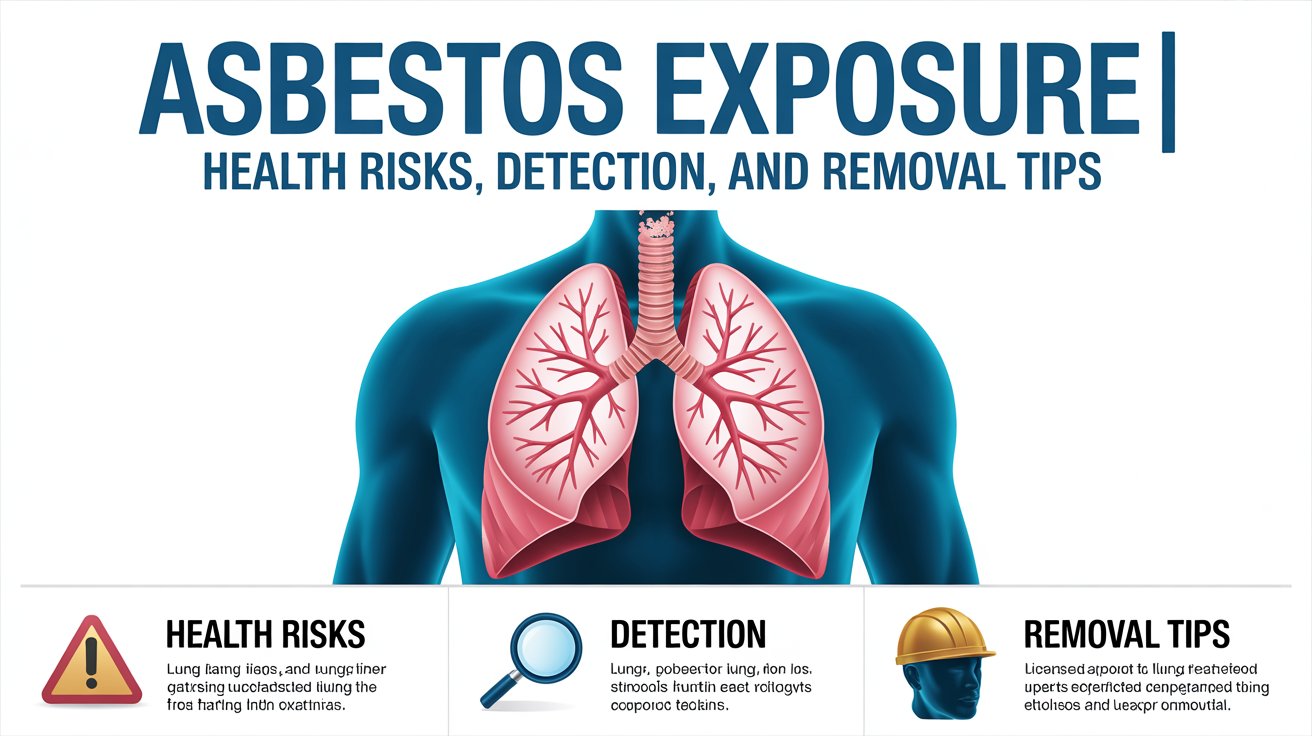

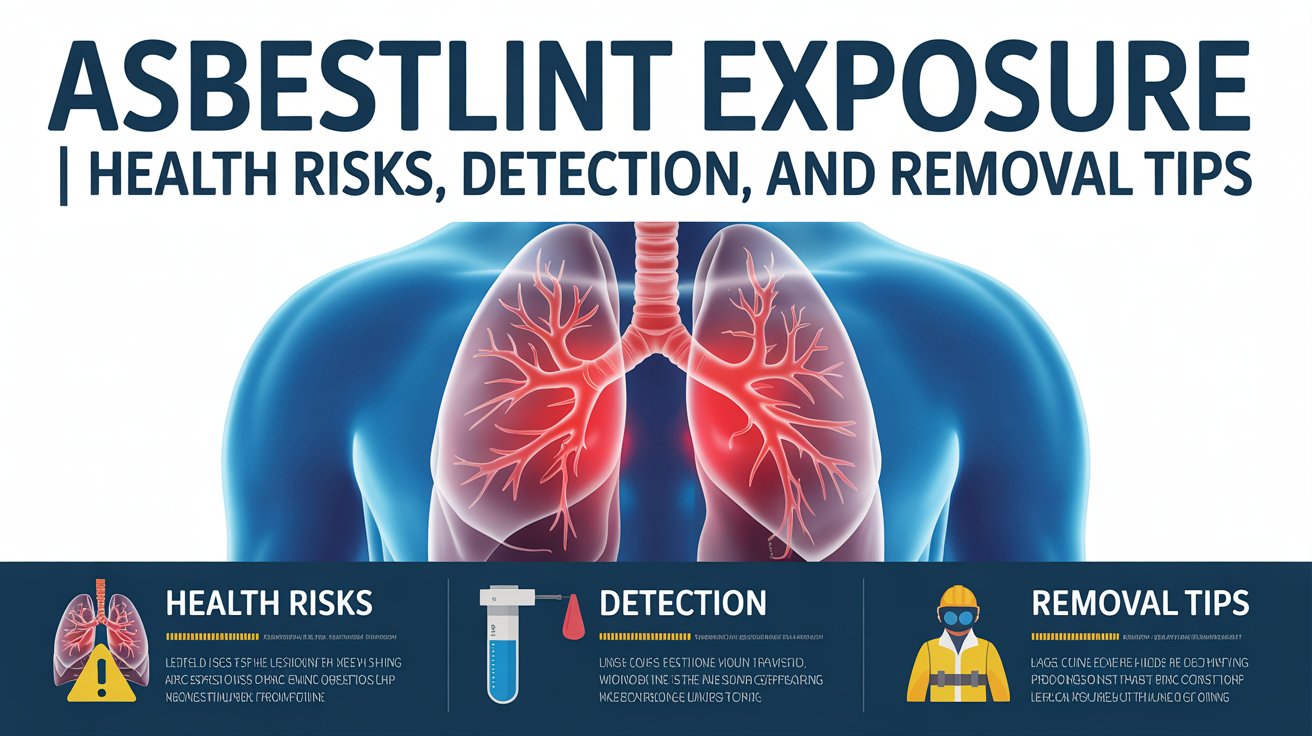
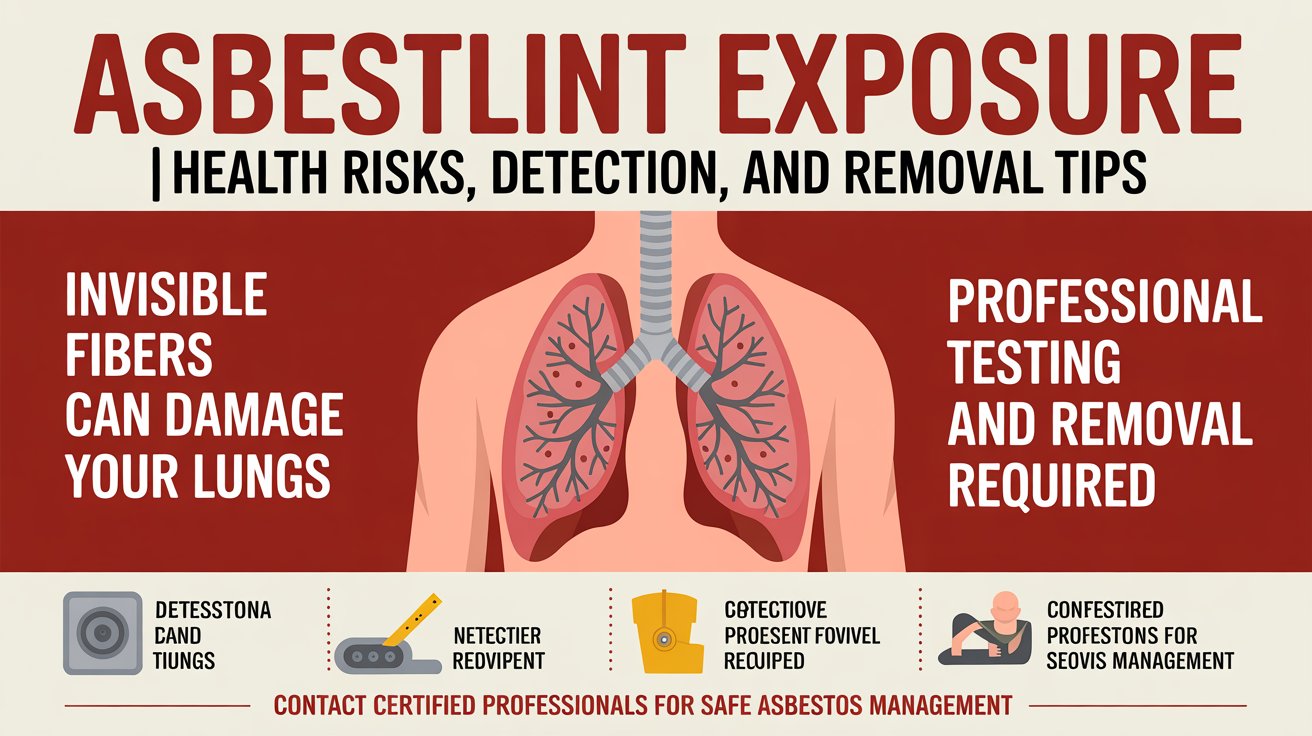
Asbestlint exposure can damage your lungs and raise the risk of serious diseases like lung cancer and mesothelioma. Detecting it requires professional testing, and safe removal must be done by licensed experts.
What Happens When You Breathe Asbestlint
Asbestlint is tiny asbestos dust that can float in the air and enter your lungs when inhaled. These fibers are too small to see or smell, so you can breathe them in without knowing it.
Breathing asbestos fibers damages lung tissue over time. The body cannot clear these fibers once they get deep into the lungs. The damage can lead to scarring, inflammation, and reduced lung function.
Some health conditions linked to asbestos exposure include:
Common Health Risks
Asbestosis
This is a long-term lung condition caused by breathing asbestos fibers. The fibers create scarring in lung tissue, which makes it hard to breathe. Symptoms may not show up for many years after exposure.
Mesothelioma
Mesothelioma is a rare cancer that affects the lining of the lungs, abdomen, or heart. It is strongly linked to asbestos exposure and may take decades to develop.
Lung Cancer
Exposure to asbestos increases the chance of lung cancer. This risk is much higher for people who smoke and inhale asbestos fibers.
Pleural Conditions
Pleural thickening and pleural effusion are changes in the membrane around the lungs. These conditions can lead to pain, difficulty breathing, and other breathing problems.
How Exposure Is Detected
Because asbestlint fibers are microscopic, you cannot detect them without testing. Health professionals use several methods to check for exposure or asbestos in buildings.
Medical Tests
Chest X-Ray
A chest X-ray can show changes in lung tissue caused by prolonged exposure. It cannot show asbestos fibers directly, but it can reveal signs of lung disease.
CT Scan
A computed tomography (CT) scan gives detailed images of the lungs. It can find signs of damage earlier than a standard chest X-ray.
Lung Function Tests
These tests measure how well your lungs work. Reduced function can signal lung damage from asbestos.
Environmental and Building Tests
Professionals trained in asbestos inspection can test air and materials in buildings for asbestos. They use special equipment to collect samples and send them to labs for analysis.
Air Sampling
Air pumps collect particles on filters. These filters are then examined under microscopes that can detect asbestos fibers.
Surface and Material Testing
Swab or bulk samples from walls, ceilings, insulation, or tiles can be tested in labs. This helps find hidden asbestos-containing materials.
Certain tools and platforms, like Fivebpeol, can help monitor environmental hazards and exposure risks effectively.”
Rules for Safe Handling and Removal
Asbestos fibers are dangerous when released into the air. If asbestos-containing materials are in good condition, experts often recommend leaving them undisturbed. Disturbing them releases fibers.
Licensed professionals follow safety standards to remove or contain asbestos. They use protective gear, special enclosures, and wet methods to prevent fiber release.
Specialized equipment, such as Tortellinatrice, can assist in safely handling materials that may contain asbestos fibers.
Why Professionals Should Handle Removal
Removing asbestos is high-risk work. Licensed contractors have training, equipment, and legal clearances. Trained workers know how to:
- Seal off work areas to prevent fiber spread.
- Use negative air pressure systems to trap fibers.
- Apply wet methods to suppress dust.
- Dispose of waste safely in sealed containers.
Containment and Encapsulation
In some cases, sealing asbestos materials is safer than full removal. Professionals use special coatings that bind the fibers and stop them from becoming airborne. The choice between encapsulating and removing depends on condition, location, and planned renovation.
Steps to Minimize Exposure at Home
If you suspect asbestos in your home, do not disturb it. Instead, follow these basic steps:
- Keep the material intact and do not sand, scrape, or drill it.
- Have a certified inspector assess the material.
- Talk to trained removal contractors about risk and options.
- Use wet cleaning methods and HEPA vacuuming to reduce settled dust.
Health Monitoring After Exposure
If you know you were exposed to asbestos, regular health checkups are important. A doctor can track changes in lung function and order imaging tests when necessary. Regular exams help catch disease at earlier stages.
People with exposure history should also avoid smoking, get vaccines for flu and pneumonia, and avoid further contact with asbestos. These measures lower the chances of worsening lung damage.
Asbestos Risk Factors
The risk of disease depends on how much and how long you were exposed. Occupational exposure in construction, shipbuilding, manufacturing, and mining has historically caused the highest risk. Regular exposure over years increases disease risk.
Smoking greatly raises the chance of lung cancer among people who inhale asbestos. Quitting smoking is one of the most important steps for people with any asbestos exposure.
Table: Common Asbestos Sources in Buildings
| Material Type | Typical Use | Risk When Disturbed |
|---|---|---|
| Pipe insulation | Around heating pipes | High if broken |
| Ceiling tiles | Acoustic covering | Moderate if damaged |
| Floor tiles | Older vinyl flooring | Moderate when removed |
| Siding & roofing | Panels on walls or roof | High if broken |
| Vermiculite insulation | Loose attic insulation | High if disturbed |
Legal and Safety Standards
Workplaces with asbestos must follow exposure limits and monitoring rules set by safety agencies. These include air sampling and medical surveillance for workers. Monitoring helps ensure fiber levels stay below danger limits.
Professionals must use approved analytical methods and accredited labs for testing, and follow safety rules for handling and disposal.
Reporting Symptoms and Medical Help
If you have a cough, shortness of breath, chest pain, or other breathing issues and you had asbestos exposure, see a healthcare provider. Early evaluation helps guide diagnosis and care. Mention your exposure history so the provider can order appropriate tests.
Tests may include chest imaging, lung function tests, and pulmonary specialist referral if needed. These evaluations help identify changes early, even before symptoms become severe.
Final Health Advice After Exposure
There is no cure for many asbestos-related diseases, so prevention is key. Reducing exposure, quitting smoking, and following medical guidance are critical. Regular monitoring helps control complications and supports better quality of life for those exposed.


