

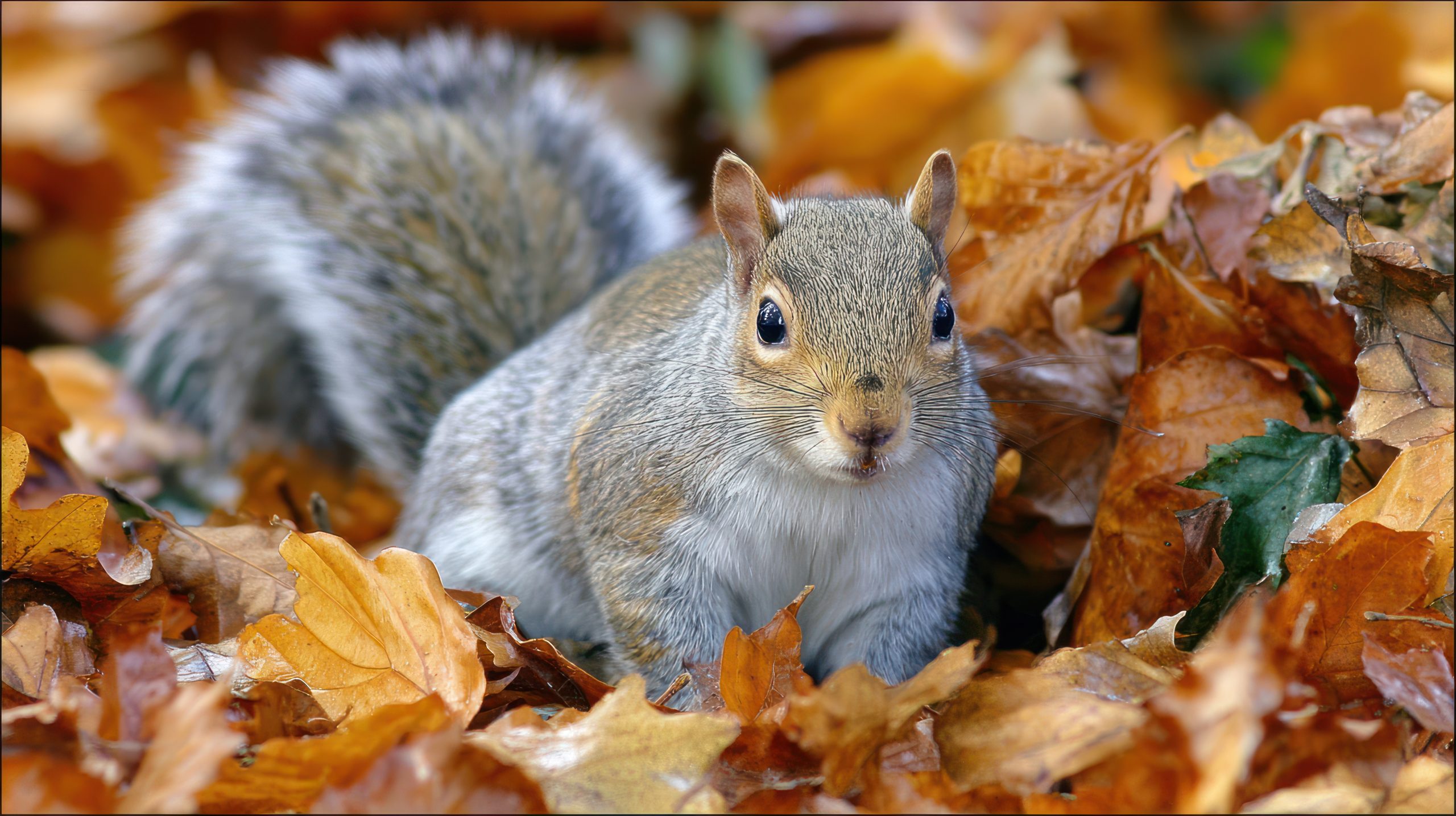

For people trying to manage damage around trees, feeders and roof spaces, guidance from suppliers such as Guarantree can be useful because the subject needs to be approached carefully, legally and with a proper understanding of what grey squirrels are actually doing in the environment.
The Problem Is Bigger Than Garden Nuisance
Grey squirrels are often treated as a minor irritation until the damage becomes obvious. In reality, the issue is much wider than raided bird feeders or scattered loft insulation.
In England, the government’s 2026 grey squirrel policy statement says grey squirrels have contributed significantly to the decline of the native red squirrel and continue to damage trees and woodlands. The same policy paper says there are an estimated 2.7 million grey squirrels across Great Britain. Forestry research also notes that grey squirrel management work has focused heavily on their impact on woodland, particularly bark stripping.
That makes this a practical land management issue as much as a wildlife one. For estates, farms, woodland managers and even householders with mature trees, the damage can be costly and persistent.
Good Control Starts With Correct Identification
One of the first steps is understanding exactly what you are dealing with. In much of England and Wales, that means grey squirrels rather than red squirrels, but that distinction matters because red squirrels are protected and should not be trapped or harmed. BASC’s guidance says a live capture trap must be used where red squirrels are present or suspected, while the British Red Squirrel organisation also stresses that trapping must be humane and legal.
This is where people can go wrong by rushing into control without checking the local situation. A sensible approach means confirming the species, understanding the setting, and reducing the risk of catching non-target animals.
It also means being realistic. There is no single magic fix. Control tends to work best when it is planned properly, checked regularly and adapted to the site rather than copied from a generic online tip.
Placement And Method Make A Major Difference
Poorly placed traps often create poor results. Guidance from BASC recommends locating traps where there are clear signs of squirrel activity, often at the base of a large tree or close to likely routes through suitable habitat. It also recommends thinking through risks to non-target species and securing traps properly.
That practical detail matters because trapping is not just about owning the right equipment. It is about using it correctly. BPCA’s guidance adds that live capture trapping must be humane and legal, and notes that traps need regular inspection, appropriate shelter, and access to food and water where required.
In other words, method matters just as much as intent. A poor setup can be ineffective at best and irresponsible at worst.
The Wider Context In England Is Shifting
This is not a niche issue sitting outside mainstream policy. Defra and the Forestry Commission published a new policy statement in January 2026 setting out actions for the next five years to reduce the impact of grey squirrels on red squirrel populations and woodlands in England.
That tells you something important. Grey squirrel management is no longer just a matter for isolated estates or volunteer groups. It sits within a broader environmental and woodland management discussion, especially where biodiversity, timber quality and long-term habitat protection are involved.
For ordinary householders, that may feel distant, but the underlying point still applies. Early, lawful and well-planned control is usually more effective than waiting until the problem becomes entrenched.
A Better Approach Is Usually A More Practical One
Squirrel control tends to attract strong opinions, but the most useful starting point is usually a practical one. Know the species. Understand the legal position. Use humane methods. Place traps carefully. Check them properly. Think about the wider site rather than treating each sighting as a one-off event.
That may sound straightforward, but it is often the difference between control that actually helps and control that simply creates more problems. In this area, good results usually come from patience, consistency and doing the basics properly.