


Patients today walk into an appointment with a different set of assumptions than a generation ago. Expectations around communication, comfort, and convenience have all shifted upward, shaped partly by standards set in other industries entirely. People now expect healthcare providers to be as transparent and responsive as the other services they use every day. This shift has affected how a dentist is expected to interact with patients, provide care, and establish enduring connections.
Transparency Has Become Non-Negotiable
Patients no longer accept vague explanations of cost or treatment. They expect a clear breakdown before work begins, an honest account of alternatives, and straightforward answers when they ask questions. This shift has been driven partly by wider consumer habits: people compare prices and read reviews before booking almost anything, and dentistry has not been exempt from that scrutiny.
A dentist in Earlsfield who explains findings in plain terms, without resorting to jargon or rushing through the details, tends to build far more trust than one who simply states a diagnosis and moves on. This matters particularly for anxious patients, for whom uncertainty is often worse than the treatment itself.
Clear Communication Builds Confidence
When patients are completely aware of their options, they feel much more at ease making decisions. Visual explanations, digital scans, written treatment plans, and realistic discussions about expected outcomes all help remove uncertainty. When dentists take time to answer questions patiently, patients are more likely to feel informed, confident, and involved throughout the treatment process rather than simply following instructions without understanding them.
Comfort Has Moved from Nice-to-Have to Expected
Anxiety around dental visits remains common, and patients increasingly expect practices to actively address it rather than simply tolerate it. This shows up in small but meaningful details: waiting areas designed to feel calm rather than clinical, staff trained to explain procedures step by step, and treatment rooms arranged to minimise the visibility of instruments that tend to unsettle nervous patients.
Reducing Anxiety Through Thoughtful Care
The importance of emotional comfort in addition to professional care is becoming more widely acknowledged in modern dentistry. Friendly staff, clear communication before procedures, and a calm environment can significantly reduce stress for nervous patients. Many practices now adapt appointments to individual comfort levels, allowing additional time where needed and ensuring patients never feel rushed throughout their visit.
Details That Carry More Weight Than Expected
Small choices often matter more than large ones. A dentist who asks a patient how they are feeling halfway through a procedure, offers pauses when necessary, or verbally checks in with them likely to leave a far better impression than one focused purely on clinical efficiency. These details cost little to implement but noticeably shape how a visit is remembered.
Personal Attention Makes a Lasting Difference
Patients often remember how they were treated just as much as the treatment itself. Small gestures like regularly assessing comfort levels, detailing each step before it happens, or acknowledging past problems from prior meetings can demonstrate genuine caring. These interactions help build trust and encourage patients to return consistently for preventive care rather than delaying appointments through anxiety.
Flexibility and Accessibility Now Shape Where Patients Choose to Go
Booking convenience has become a genuine factor in patient decisions. Online scheduling, appointment reminders, and flexible hours around work commitments are increasingly treated as standard rather than a bonus. Practices that still rely solely on phone bookings during office hours risk losing patients to competitors offering more accessible systems, regardless of clinical quality.
Convenience Supports Better Attendance
Busy lifestyles mean patients value services that fit around work, family, and other responsibilities.Appointment reminders, digital confirmation messages, and online bookings make scheduling much easier and reduce missed appointments. Flexible appointment availability also helps patients maintain regular dental check-ups, supporting better oral health without unnecessary disruption to their daily routines.
Long-Term Relationships Over One-Off Fixes
Patients are increasingly selecting dental clinics that prioritise ongoing dental health rather than considering each visit as a one-time event. This means dentists who track changes over time, flag early warning signs before they escalate, and build treatment plans around long-term outcomes rather than immediate fixes. A dentist in Earlsfield taking this approach is more likely to catch developing issues early, simply because they have a fuller picture of a patient’s history to work from.
Prevention Creates Better Long-Term Outcomes
Regular appointments allow dentists to monitor gradual changes that may not be obvious during isolated visits. Comparing previous records helps identify developing issues before symptoms appear, making treatment simpler and often less invasive. Patients also benefit from tailored advice based on their own dental history, lifestyle, and future oral health goals rather than receiving the same recommendations as everyone else.
Why These Standards Make Sense
None of these expectations is unreasonable. Transparency avoids unpleasant surprises. Comfort-focused care reduces avoidance, which in turn improves long-term outcomes. Convenience removes friction that might otherwise stop someone booking a needed appointment at all. Rather than viewing these as demanding standards, it is worth seeing them as a reasonable response to a service that many people still find genuinely stressful.
Key Expectations of Modern Patients
- Clear, upfront explanations of cost and treatment options.
- Comfort-focused environments designed with anxious patients in mind.
- Accessible booking systems that fit around modern schedules.
- A long-term, relationship-based approach to dental health.
- Honest communication that encourages patients to ask questions and stay informed.
A Higher Bar, for Good Reason
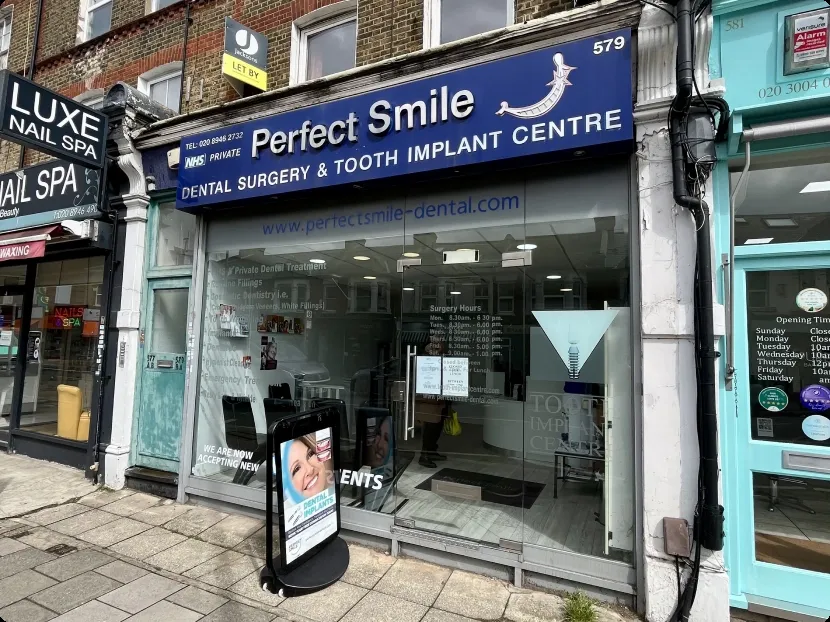
The expectations patients bring to dental visits today reflect broader shifts in how people engage with services generally: more informed, less patient with poor communication, and more attentive to comfort than in the past. By fostering better bonds based on openness, consistency, and trust, these higher standards are advantageous to both patients and practices. Perfect Smile Dental has built its approach around meeting these expectations directly, treating transparency, personalised care, and patient comfort as essential parts of delivering high-quality dentistry rather than optional extras.
Author Bio: Sean Collins
Sean Collins, the marketing manager at Perfect Smile Dental in London, is well-known for his exemplary business and marketing abilities. He is a seasoned user experience expert and product thinker who is open to new challenges that offer value to the brand. He often writes to the most popular blogging sites, allowing him to share his decades of knowledge with a broader audience.