

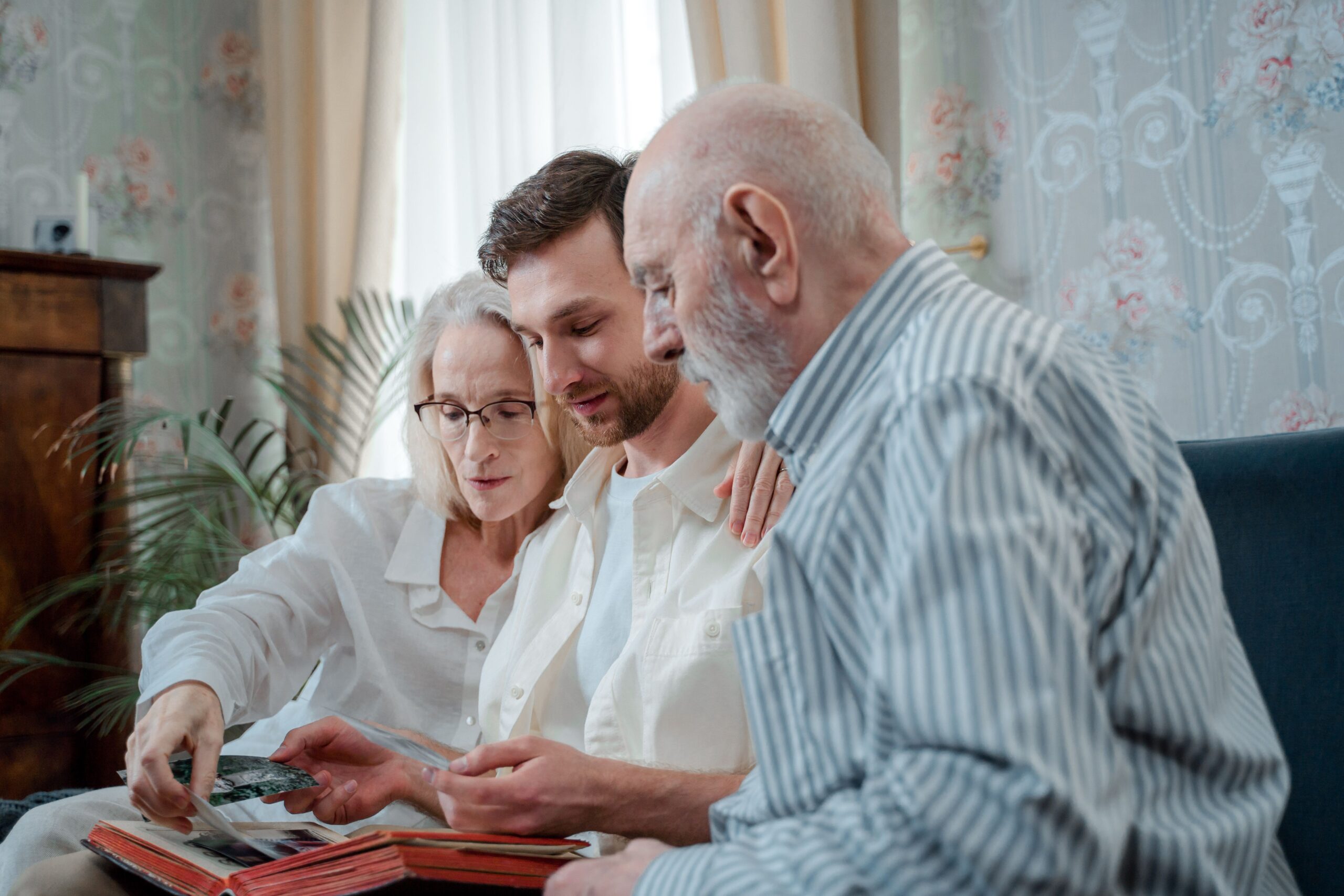

A dementia diagnosis lands like a gut punch. Questions flood in immediately — living arrangements, daily support, how to protect someone’s dignity while their memory quietly unravels. Purpose-built Memory Care communities were designed precisely for this. Not just shelter, but a whole environment engineered around the specific, grinding challenges of memory loss. Physical health, emotional stability, quality of life — where and how someone lives shapes all of it. Knowing what these communities actually deliver puts families somewhere better than guesswork.
How Design Features Support Cognitive Health
Most people underestimate what layout does. Purpose-built Memory Care communities rely on clear sightlines, consistent color palettes, and deliberate visual cues — all working together to reduce confusion and anxiety. Pathways let residents move freely. No disorienting dead ends, no poorly planned corridors that swallow confidence whole. Natural light filters throughout the space, anchoring circadian rhythms and sleep quality, both of which feed directly into behavioral symptoms. Hazards? Gone. Wayfinding cues? Intentional. The result is residents who can actually navigate their surroundings — needing far less constant supervision to stay safe.
The Role of Routine and Structure in Daily Well-Being
Predictability is wildly underrated. For someone living with dementia, a consistent daily rhythm isn’t a nice-to-have — it’s therapeutic. Mealtimes, personal care, programming: same patterns, day after day, and that repetition builds something like quiet internal security. Appetite improves. Sleep steadies out. Anxiety and agitation fall off. When residents aren’t bracing for the next surprise, they engage more readily with activities and connect more naturally with staff and neighbors. Structure also gives care partners a baseline to work from — a skipped meal, a mood shift — so small problems get caught before they compound.
Specialized Training and Care Partner Understanding
These aren’t generalist caregivers. Staff here train specifically in dementia — communication strategies, behavioral expressions, the health complications that tend to emerge as cognition erodes. That specialization surfaces in small moments. A calm, unhurried exchange instead of a rushed one. Recognizing that a sudden drop in appetite might be medical rather than just preference. Residents keep their dignity even as their needs evolve. And the expertise compounds — the longer a care partner knows a resident, the sharper their sense of what’s new versus what’s baseline.
Opportunities for Social Engagement and Sense of Purpose
Isolation accelerates decline. Not an opinion — a consistent, documented pattern in older adults, particularly those with memory loss. Purpose-built communities push back through structured group programs, one-on-one time, and community events built around what residents genuinely enjoy: music, art, outdoor walks, real conversation. GLOW® Memory Care in Anderson, SC shapes its daily engagement around individual interests and abilities, with emotional well-being and genuine purpose both in the frame. Real belonging — not just physical proximity to other people — tends to lift mood, cut loneliness, and support overall health in ways that are almost impossible to manufacture somewhere else.
Medical Oversight and Health Monitoring
Consistent health monitoring is among the strongest practical arguments for these communities. Vital signs, medication management, tracking cognitive and physical shifts — all handled regularly, not reactively. Care teams coordinate directly with physicians and specialists, so nothing falls through the cracks. Here’s what families often don’t see coming: staff who spend hours each day with a resident will catch subtle changes that even attentive family members miss during weekly visits. Early detection. Faster response. Better outcomes. That kind of ongoing vigilance is genuinely difficult to replicate anywhere else.
Conclusion
Moving a family member into Memory Care is serious. But it doesn’t have to feel like a leap into the unknown. These communities pull together intentional physical design, consistent daily structure, specialized staff, and meaningful social engagement — all aimed at the same outcome. Residents often sleep better. They eat more consistently, feel less anxious, carry a stronger sense of security. For families doing this research, the communities worth a visit are those built around person-centered care and real dementia expertise. Understanding what’s actually available makes the decision clearer — and the path forward a little less daunting.


