

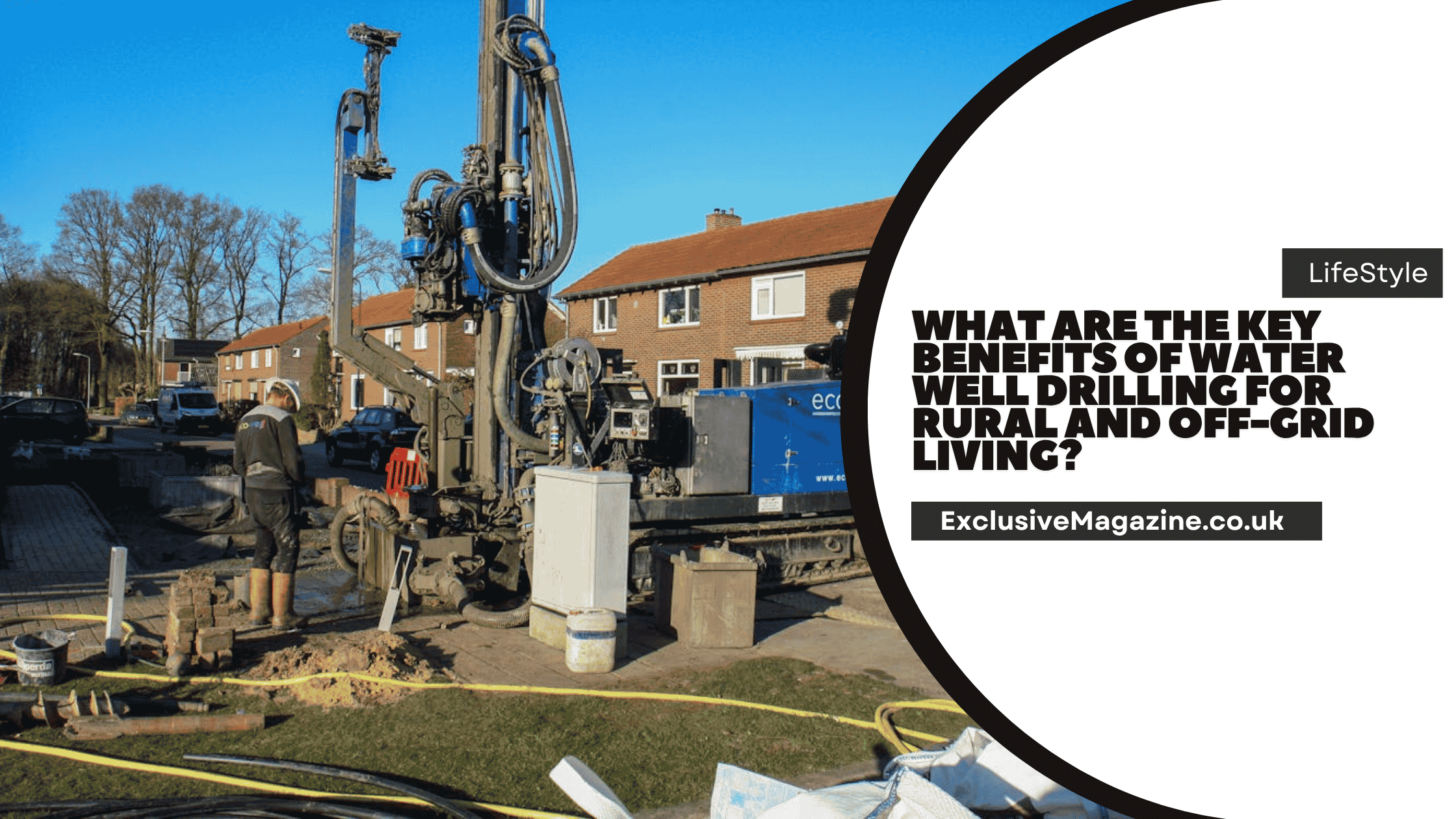

What are the key benefits of water well drilling for rural and off-grid living? For many people, moving away from city life means finding simple and reliable ways to meet daily needs. One of the most important needs is water.
This is where Water Well Drilling, Groundwater Systems, and Off-Grid Living come together. Instead of depending on public water lines, many rural homes use private wells. These wells tap into natural underground water sources.
In areas without city services, having your own water supply is a big advantage. It offers freedom, control, and peace of mind. With the right setup, Private Water Wells can provide clean water for years.
Let’s take a closer look at how water well drilling works and why it is such a valuable option for rural and off-grid lifestyles.
What Is Water Well Drilling and Why It Matters
Simple Explanation for Beginners
Water Well Drilling is the process of digging deep into the ground to reach Groundwater. This water is stored in natural layers called aquifers.
Once the well is drilled, a pump system brings water to the surface. This creates a steady water supply for homes, farms, and other uses.
How Water Wells Provide Clean Water
Water from underground is often filtered naturally through soil and rock. This makes Groundwater Supply cleaner than some surface water sources.
Still, regular testing is important to ensure safe Drinking Water Quality.
Benefits of Having a Private Well
Having a Private Water Well offers many benefits:
- Direct access to water
- Lower long-term costs
- Independence from city systems
These benefits are especially useful in Rural Living and Remote Areas.
Where Water Well Drilling Is Commonly Used
Homes and Residential Properties
Many rural homes rely on wells for daily water needs. This includes drinking, cooking, and cleaning.
Residential Water Systems are often built around private wells in off-grid areas.
Farms and Agricultural Land
Farms need a steady water supply for crops and animals. Agricultural Water Systems depend on wells for irrigation and livestock care.
Rural and Remote Areas
In remote places, public water systems may not exist. Off-Grid Water Solutions like wells become essential.
They provide reliable access where other options are limited.
How Water Well Drilling Works
Types of Water Wells
There are different types of wells, including:
- Drilled Wells (deep and long-lasting)
- Dug Wells (shallow and basic)
- Driven Wells (used in soft ground)
Each type fits different land conditions.
Step-by-Step Drilling Process
The process usually includes:
- Choosing a suitable location
- Drilling into the ground
- Installing casing and a pump
- Testing water quality
This ensures a safe and working Water Supply System.
Equipment Used in Well Drilling
Drilling uses tools like:
- Drilling rigs
- Pipes and casing
- Water pumps
Modern Drilling Equipment makes the process faster and more accurate.
Benefits of Water Well Drilling
Reliable Water Supply
One of the biggest benefits is a steady water source. Unlike public systems, wells are not affected by city issues.
This supports Water Independence.
Cost Savings Over Time
While drilling has an upfront cost, long-term savings can be high. There are no monthly water bills.
This makes wells a smart option for Cost-Effective Living.
Independence from Public Systems
Wells allow people to live without relying on public utilities. This is key for Self-Sufficient Living.
It also protects against service outages.
Water Well Drilling for Agriculture
Irrigation Systems and Crop Growth
Wells provide water for irrigation. This helps crops grow even during dry seasons.
Irrigation Systems supported by wells improve farm productivity.
Water Supply for Livestock
Animals need clean water daily. Wells ensure a steady supply for livestock.
This supports Livestock Management Systems.
Managing Water Resources Efficiently
Using well water allows better control over usage. Farmers can manage water based on need.
This supports Water Resource Management.
Things to Consider Before Drilling a Well
Location and Ground Conditions
Not all land has the same water access. Soil type and depth matter.
A proper site check helps find the best spot for Groundwater Access.
Permits and Regulations
Some areas require permits for drilling. It is important to follow local Water Regulations.
This ensures safe and legal use.
Cost and Budget Planning
Drilling costs can vary based on depth and location. Planning ahead helps avoid surprises.
Understanding Well Drilling Costs is important before starting.
Maintenance and Care for Water Wells
Regular Inspections and Testing
Routine checks keep the well in good condition. Testing ensures safe water.
This supports Water Quality Monitoring.
Common Problems and Fixes
Problems like low pressure or pump failure can happen. Quick fixes help avoid bigger issues.
Regular care improves Well System Performance.
Keeping Water Safe and Clean
Keeping the area around the well clean helps prevent contamination.
This is key for Safe Drinking Water.
Challenges in Water Well Drilling
Finding Reliable Water Sources
Sometimes, finding water can be difficult. Not all areas have strong groundwater supply.
This is a common challenge in Well Drilling Projects.
Environmental Concerns
Overuse of groundwater can affect the environment. Responsible use is important.
This supports Environmental Sustainability.
Equipment and Cost Issues
Drilling equipment can be expensive. Maintenance also adds to the cost.
Still, long-term benefits often outweigh these challenges.
Future Trends in Water Well Drilling
New Drilling Technologies
Modern tools make drilling faster and more precise. These improve efficiency.
Advanced Drilling Technology is shaping the future.
Sustainable Water Management
Better practices help protect water sources. This ensures long-term use.
Sustainable Water Systems are becoming more common.
Smart Monitoring Systems
New systems track water levels and usage. This helps manage resources better.
Smart Water Monitoring improves control and efficiency.
Conclusion
Water well drilling offers many benefits for rural and off-grid living. It provides a reliable, cost-effective, and independent water source.
By using Private Water Wells, people can enjoy greater control over their daily needs. This supports Self-Sufficient Living and reduces reliance on public systems.
While there are challenges like cost and maintenance, the long-term advantages are clear. With proper planning and care, a well can serve for many years.
In the end, water well drilling is not just about access to water. It is about freedom, sustainability, and building a lifestyle that works beyond city limits.