

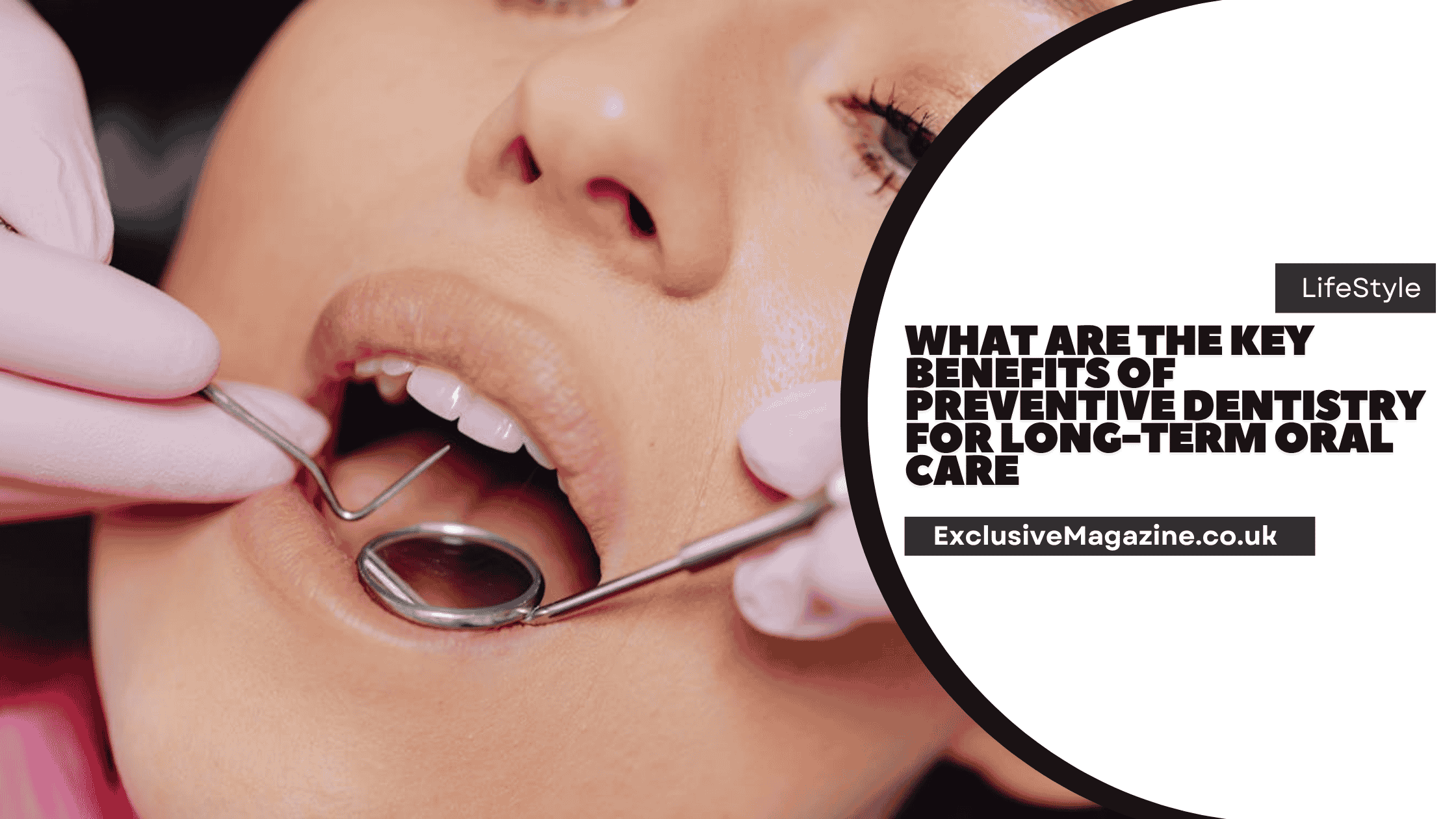

Taking care of your teeth does not have to be hard. Small daily habits can make a big difference over time. This is where preventive dentistry comes in. It focuses on stopping dental problems before they start.
Many people only visit a dentist when they feel pain. But waiting too long can lead to bigger issues like cavities or gum disease. With the right oral care routine, you can avoid many of these problems.
Preventive dentistry includes simple steps like brushing, flossing, and regular checkups. It also involves treatments like fluoride therapy and dental sealants. These steps help keep your teeth strong and your gums healthy.
What Is Preventive Dentistry?
A Simple Explanation for Patients
Preventive dentistry is all about protecting your teeth and gums. It focuses on keeping your mouth healthy before problems appear.
This type of care includes daily habits and professional dental visits. Together, they help maintain a strong and healthy smile.
Why Preventive Care Matters for Oral Health
Good oral hygiene helps stop issues like tooth decay and gum disease. These problems can get worse if not treated early.
By following preventive steps, you can avoid pain, discomfort, and costly treatments later.
Who Can Benefit from Preventive Dentistry
Everyone can benefit from preventive dental care. Children, adults, and seniors all need to take care of their teeth.
It is never too early or too late to start a healthy dental routine.
Common Preventive Dentistry Practices
Daily Brushing and Flossing Habits
Brushing and flossing are the basics of oral care. Brushing twice a day helps remove plaque and food particles.
Flossing cleans between teeth where a toothbrush cannot reach. These simple steps help prevent cavities and gum issues.
Regular Dental Checkups and Cleanings
Visiting a dentist regularly is very important. During a dental checkup, the dentist checks for signs of problems.
Professional cleanings remove plaque buildup and keep your teeth looking clean and fresh.
Fluoride Treatments and Sealants
Fluoride treatments help strengthen tooth enamel. Strong enamel protects teeth from decay.
Dental sealants are thin coatings placed on the back teeth. They help block food and bacteria from causing cavities.
Healthy Diet for Strong Teeth
What you eat affects your teeth. A healthy diet supports dental health.
Limiting sugary foods and drinks can reduce the risk of cavities. Drinking water and eating balanced meals help keep your teeth strong.
Benefits of Preventive Dentistry
Reduces Risk of Cavities and Gum Disease
One of the biggest benefits of preventive dentistry is reducing the risk of cavities and gum disease.
Regular care removes plaque and bacteria that cause these issues. This keeps your mouth clean and healthy.
Saves Money on Future Treatments
Dental treatments can be expensive. Preventive care helps you avoid costly procedures like fillings or root canals.
Simple checkups and cleanings cost less than major treatments. This makes preventive dental care a smart investment.
Helps Maintain a Healthy Smile
A healthy smile boosts confidence. Clean teeth and healthy gums improve your overall appearance.
With regular care, your smile stays bright and strong for years.
Supports Overall Health and Well-Being
Your oral health is linked to your overall health. Problems in the mouth can affect other parts of the body.
By practicing preventive dentistry, you support your general well-being and reduce health risks.
Preventive Dentistry for Different Age Groups
Children and Early Dental Care
Children need to learn good habits early. Preventive dental care helps protect their developing teeth.
Regular visits and treatments like dental sealants can prevent early cavities.
Adults and Routine Maintenance
Adults benefit from consistent care. Regular brushing, flossing, and checkups help maintain strong teeth.
This reduces the chances of serious dental issues later in life.
Seniors and Long-Term Oral Health
Seniors may face issues like tooth wear and gum problems. Preventive care helps manage these changes.
Regular dental visits ensure long-term oral health and comfort.
Common Dental Problems Preventive Care Can Avoid
Tooth Decay and Cavities
Tooth decay happens when bacteria damage the tooth surface. Preventive care helps stop this process early.
Brushing, flossing, and fluoride treatments play a key role in prevention.
Gum Disease and Infections
Gum disease can cause swelling, bleeding, and even tooth loss. Preventive care helps keep gums healthy.
Regular cleanings and good hygiene reduce the risk of infection.
Tooth Sensitivity and Damage
Sensitive teeth can make eating and drinking uncomfortable. Preventive care helps protect enamel and reduce sensitivity.
It also prevents damage caused by plaque and poor habits.
Tips to Improve Your Preventive Dental Routine
Brush and Floss the Right Way
Use a soft-bristled toothbrush and brush for at least two minutes. Make sure to clean all areas of your mouth.
Floss daily to remove plaque between teeth.
Visit Your Dentist Regularly
Schedule regular dental checkups. These visits help catch problems early and keep your teeth in good shape.
Your dentist can also recommend the best care for your needs.
Avoid Sugary Foods and Drinks
Sugar feeds bacteria that cause cavities. Reducing sugar intake helps protect your teeth.
Choose healthier options like water, fruits, and vegetables.
Conclusion
Preventive dentistry plays a key role in long-term oral care. It focuses on simple habits and regular checkups to keep your teeth and gums healthy.
From reducing the risk of tooth decay to saving money on treatments, the benefits are clear. It also helps maintain a bright smile and supports overall health.
By following a strong oral hygiene routine and visiting your dentist regularly, you can avoid many common dental problems. Preventive care is not complicated—it just requires consistency.
In the end, taking small steps today can lead to a healthier and happier smile in the future.