

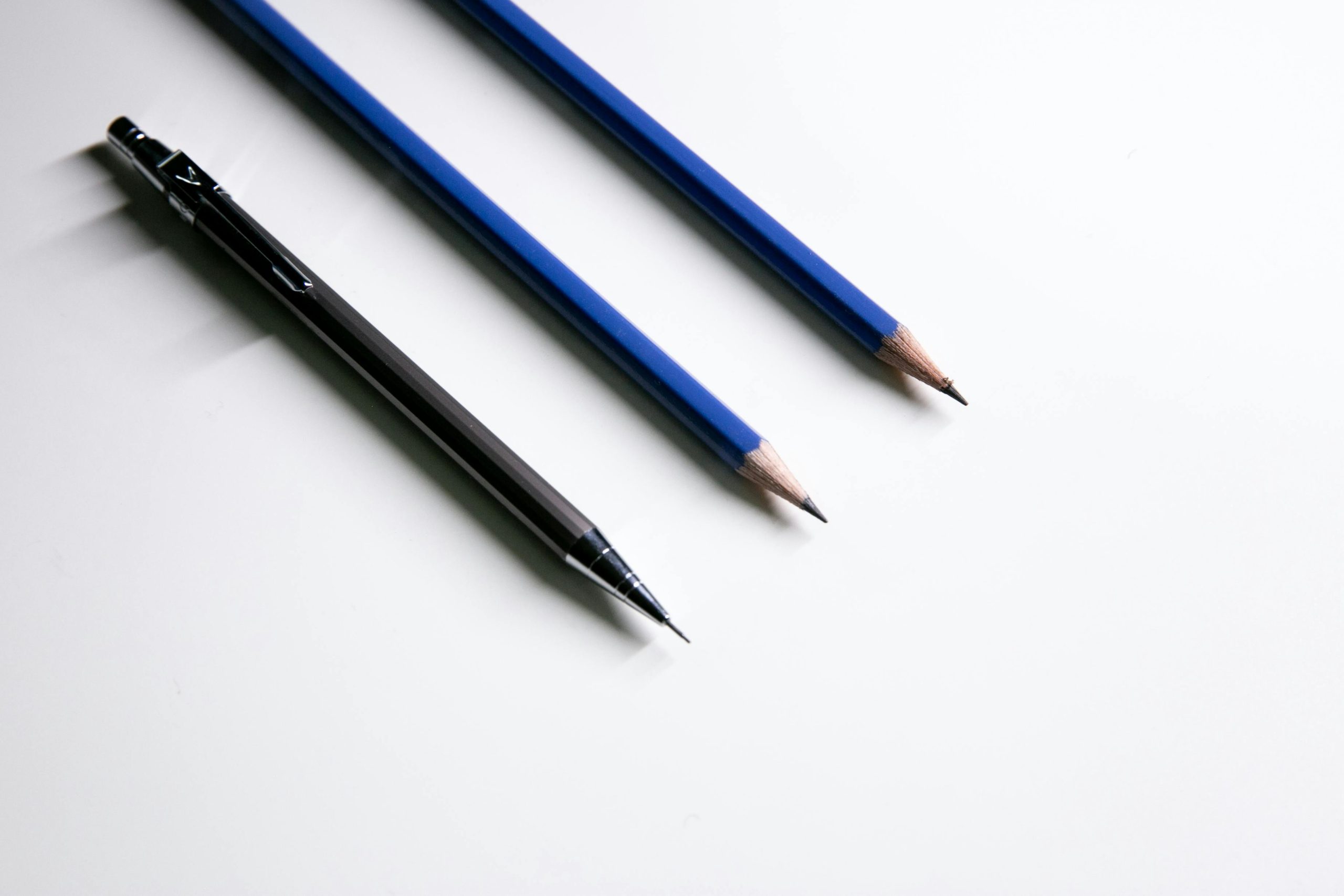

Fashion design demands an exacting balance of creativity and technical precision. Every sketch, every pattern line, every detail matters—and the tools designers choose can either elevate or constrain their work. In recent years, the everyday carry (EDC) mechanical pencil has emerged as an essential instrument in modern fashion studios, prized for its reliability, control, and refined engineering. Unlike traditional wooden pencils that dull with use, mechanical pencils maintain consistent line weight and sharpness, qualities that prove invaluable when translating conceptual ideas into precise technical drawings.
As fashion increasingly intersects with technology and craftsmanship, designers are gravitating toward tools that reflect both functionality and aesthetic sophistication. The mechanical pencil—once a utilitarian office supply—has evolved into a design object in its own right, embodying the same attention to detail that defines haute couture.
From 19th-Century Innovation to Modern Craftsmanship
The mechanical pencil’s origins trace back to 1822, when British inventors Sampson Mordan and John Isaac Hawkins secured the first patent for a propelling pencil mechanism. This innovation fundamentally changed how people approached writing and drawing, eliminating the constant need for sharpening while providing unprecedented control over line quality.
Today’s manufacturing process represents a sophisticated marriage of precision engineering and material science. Contemporary mechanical pencils are produced through several critical stages:
- Material Selection: Manufacturers source aerospace-grade metals, engineered plastics, and specialized alloys chosen for their durability, weight distribution, and tactile properties.
- Mechanism Engineering: The internal lead advancement system—often featuring clutch mechanisms or rotating lead technology—undergoes precision machining to ensure smooth, reliable operation over thousands of uses.
- Ergonomic Design: Body contours, grip textures, and weight balance are carefully calibrated to reduce hand fatigue during extended drawing sessions.
- Quality Assurance: Each pencil passes through rigorous testing protocols, including drop tests, mechanism cycling, and lead breakage analysis.
The engineering tolerances in premium mechanical pencils can be measured in microns, ensuring consistent performance that professionals depend on daily.
Choosing the Right Mechanical Pencil for Fashion Work
Fashion designers have specific requirements that distinguish their tool needs from general drafting or writing applications. The ideal mechanical pencil for fashion design must deliver:
- Fine Line Control: Lead sizes ranging from 0.3mm to 0.7mm allow designers to render everything from delicate fabric textures to bold silhouette lines with equal precision.
- Consistent Performance: Reliable lead advancement mechanisms prevent frustrating breaks during critical sketching moments.
- Comfortable Extended Use: Balanced weight distribution and ergonomic grips reduce strain during marathon design sessions.
- Professional Aesthetics: A well-designed pencil reflects the designer’s commitment to quality and attention to detail.
Several models have earned particular recognition in fashion studios. The Rotring 600, with its hexagonal brass body and knurled metal grip, offers exceptional balance and a professional heft that many designers prefer. The Uni Kuru Toga features an innovative rotating lead mechanism that maintains a consistently sharp point—eliminating the gradual line widening that occurs with standard mechanical pencils. For those seeking versatility, the Pentel GraphGear 1000 combines a retractable tip for portability with a dual-action retractor that protects the lead mechanism.
Among everyday carry options, machined mechanical pencils built for pocket-friendly portability have carved out a distinct niche — the Grafton mechanical pencil from Everyman, alongside offerings from Rotring and Staedtler, appeals to designers who value portability without sacrificing build quality.
Design as Function: The Appeal of Premium Mechanical Pencils
The mechanical pencil market has evolved beyond pure utility into a realm where industrial design and craftsmanship intersect. Fashion designers—trained to appreciate form, material, and construction—naturally gravitate toward tools that embody these same principles.
Contemporary mechanical pencils distinguish themselves through several design elements:
- Material Innovation: Manufacturers employ titanium, brass, aluminum, carbon fiber, and even exotic woods, each offering distinct tactile and visual characteristics.
- Minimalist Aesthetics: Clean lines and restrained detailing appeal to designers who appreciate understated elegance over ornamental excess.
- Customization Options: Interchangeable components, personalized engravings, and finish choices allow designers to tailor tools to their preferences.
- Mechanical Transparency: Some designs celebrate their internal mechanisms, featuring cutaway sections or transparent components that reveal the engineering within.
The Ystudio Classic, crafted from solid brass that develops a natural patina over time, exemplifies how mechanical pencils can function as both tool and design statement. Similarly, the Kaweco Special’s octagonal profile and minimalist construction reference early 20th-century drafting instruments while meeting contemporary performance standards.
These design-forward pencils serve a dual purpose in fashion studios: they’re precision instruments that also signal the designer’s aesthetic sensibility and commitment to quality craftsmanship.
Practical Advantages in Daily Design Work
Beyond aesthetics, mechanical pencils offer tangible functional benefits that directly impact design workflow and output quality. Fashion designers working with these tools consistently cite several practical advantages:
- Line Consistency: Mechanical pencils maintain uniform line width throughout use, ensuring pattern pieces and technical drawings meet exacting specifications.
- No Sharpening Interruptions: Designers can maintain creative flow without breaking concentration to sharpen pencils—a seemingly minor detail that significantly impacts productivity during intensive design sessions.
- Precision Control: Fixed lead diameter and consistent hardness enable predictable results, particularly important when rendering fabric drape, texture details, or construction specifications.
- Reduced Hand Fatigue: Engineered grip sections and balanced weight distribution minimize strain during extended sketching.
- Economic Efficiency: While initial investment may exceed traditional pencils, refillable lead systems and durable construction deliver long-term value.
The health implications of proper tool ergonomics shouldn’t be overlooked. Fashion designers often spend hours sketching, and poorly designed tools can contribute to repetitive strain injuries. Quality mechanical pencils address this through thoughtful grip design, appropriate weight distribution, and mechanisms that require minimal pressure to operate.
Cross-Disciplinary Applications Beyond Fashion
The precision and reliability that make mechanical pencils valuable in fashion design translate seamlessly to other creative and technical disciplines. Architects rely on them for detailed elevation drawings and site sketches. Industrial designers use them for product ideation and technical specifications. Engineers depend on them for calculations, diagrams, and field notes.
This versatility stems from several shared characteristics:
- Adaptable Lead Options: Different lead hardnesses (from 4H to 4B) and diameters accommodate varying applications—from fine technical linework to expressive sketching.
- Portable Precision: Compact dimensions and protective mechanisms make these pencils ideal for professionals who work across multiple locations.
- Professional Presentation: In client meetings and collaborative sessions, a well-crafted mechanical pencil conveys attention to detail and professional standards.
The industrial design community has long recognized mechanical pencils as essential tools for rapid ideation and concept development—the same quick-thinking, iterative process that defines fashion design.
Making the Right Choice for Your Design Practice
Selecting a mechanical pencil involves balancing multiple factors: budget, intended use, aesthetic preferences, and ergonomic requirements. Fashion designers should consider several key questions:
- What’s your primary application? Detailed technical drawings demand finer lead sizes (0.3-0.5mm), while conceptual sketching may benefit from broader leads (0.7-0.9mm).
- How much do you value portability? Studio-based designers might prefer heavier, more substantial pencils, while those who sketch on location need compact, pocket-friendly options.
- What’s your grip preference? Some designers prefer knurled metal grips for maximum control; others favor rubberized or smooth finishes for comfort.
- Does build quality matter long-term? Premium materials and construction justify higher initial costs through years of reliable service.
The mechanical pencil market offers options at every price point, from affordable daily drivers to investment-grade instruments. The key is matching tool characteristics to your specific workflow and design approach.
Future Directions: Technology Meets Tradition
As digital tools increasingly dominate fashion design workflows, mechanical pencils might seem anachronistic. Yet the opposite is occurring—designers are rediscovering the value of analog tools for ideation, concept development, and tactile connection to their work.
Several emerging trends suggest how mechanical pencils will evolve:
- Hybrid Digital Integration: Smart pencils that capture analog sketches digitally while maintaining traditional drawing feel are already appearing, bridging physical and digital workflows.
- Sustainable Materials: As fashion embraces environmental responsibility, pencil manufacturers are exploring recycled metals, bio-based plastics, and sustainably sourced materials.
- Modular Design: Customizable components allow designers to configure pencils for specific tasks, swapping grips, mechanisms, and bodies as needs change.
- Advanced Mechanisms: New lead advancement systems promise even greater reliability and precision, incorporating aerospace-grade materials and manufacturing techniques.
The enduring appeal of mechanical pencils in fashion design ultimately rests on a simple truth: despite technological advances, the direct connection between hand, tool, and paper remains irreplaceable for many creative processes. The mechanical pencil—refined through two centuries of engineering evolution—continues to serve designers who value precision, reliability, and the tactile satisfaction of analog craftsmanship.