
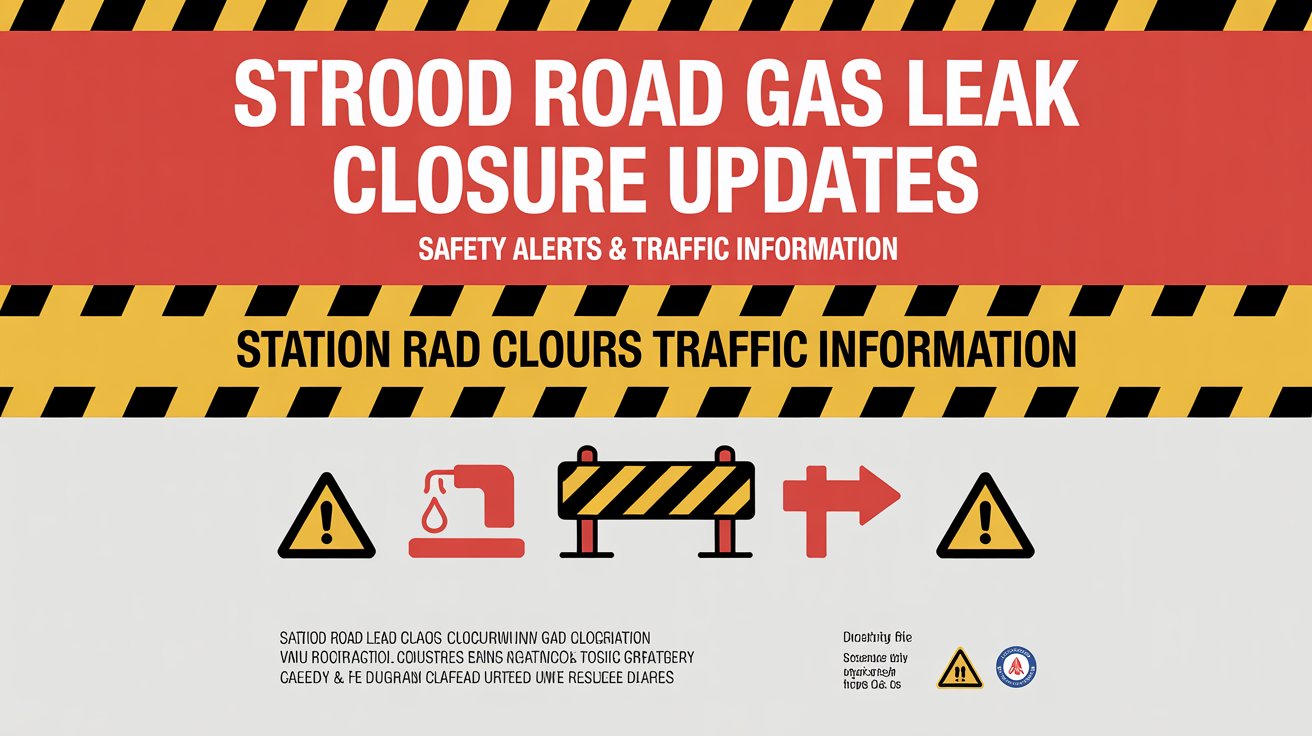

Station Road in Strood has been closed due to an emergency gas leak and essential repair work by gas network engineers, with traffic diversions in place and delays expected for local drivers.
Latest Road Closure and Traffic Alert
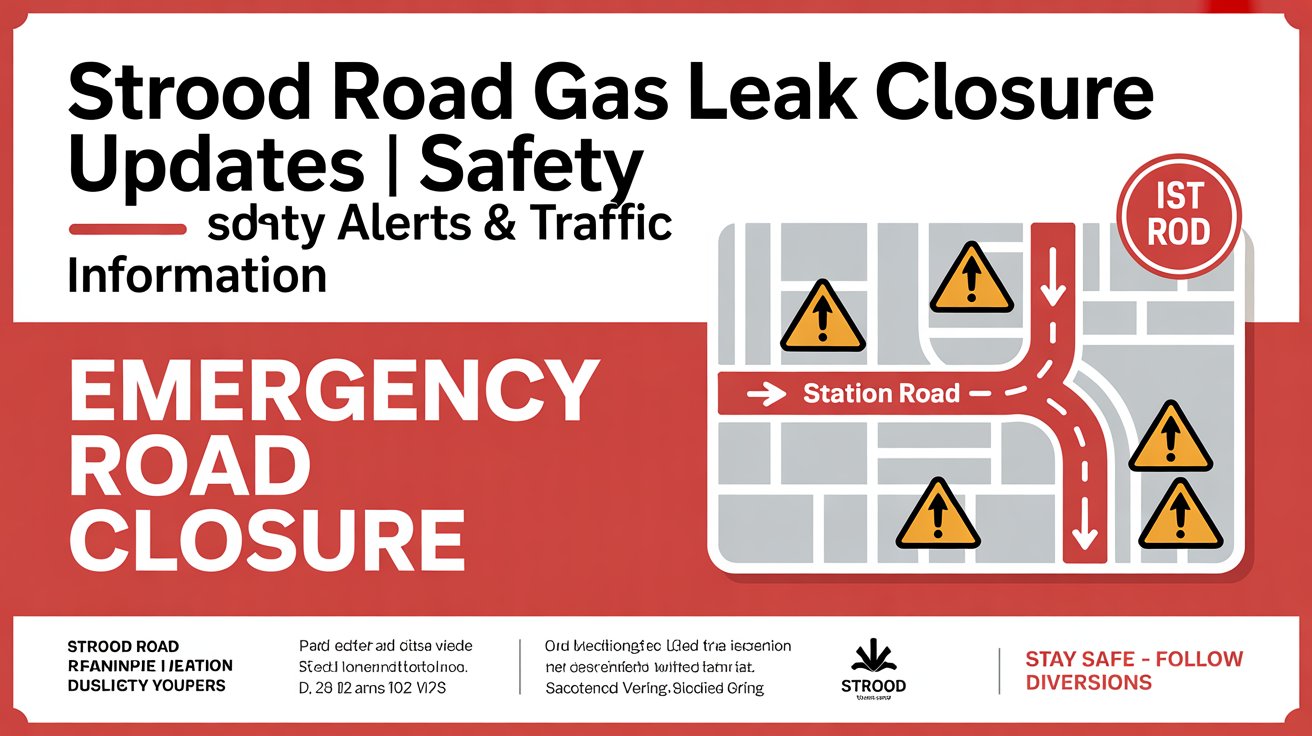
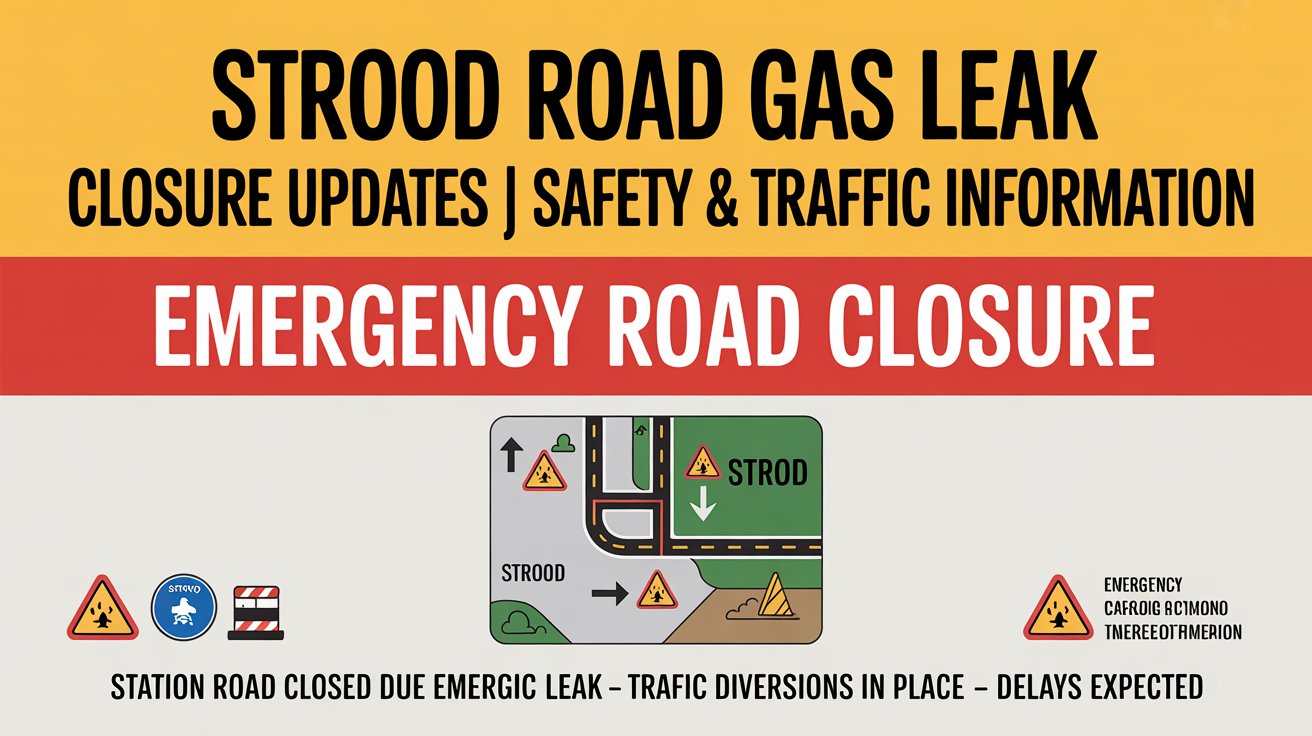
Strood’s Station Road is currently closed so emergency gas repairs can be carried out safely. The closure is in response to a confirmed gas leak and remains active while engineers work on fixing and securing the affected pipes.
Local traffic authorities have set up signed diversion routes for vehicles while the road is out of use. Drivers should allow extra travel time and plan alternative paths where possible.
Temporary traffic management measures, such as lights and signage, have been installed to help manage flow around the closure and keep residents informed of changes.
Why the Road Is Closed
A gas leak was detected under or near Station Road in Strood, prompting the urgent response by the network operator. Gas leaks pose serious safety hazards, including risks of fire or explosion, so the road must stay closed until the site is safe and repairs are finished.
Emergency closures like this enable engineers to:
- Isolate the leak area.
- Repair or replace damaged pipe sections.
- Test the gas network for safety before reopening the road.
Authorities have not yet confirmed a firm date for when Station Road will be fully reopened to through traffic. Updates are being issued as the situation develops.
Official Safety Alerts
Traffic alert messages have been shared by local highway authorities to warn drivers of the closure. These communications highlight the need to avoid the area if possible and follow posted diversions.
Safety notices typically remind the public to:
- Obey all road signs and barrier placements.
- Not enter cordoned areas.
- Report any smell of gas immediately to emergency services and gas network contacts.
Nearby incidents, such as the EasyJet Flight U2238 emergency landing in Newcastle, highlight the importance of timely alerts and road closures.
Traffic Diversions and Impact
Diversion signs have been placed well ahead of the closure points to guide motorists around the affected stretch of Station Road. These detours use nearby streets and main roads to help maintain traffic flow.
Commuters should expect:
- Delays during peak hours.
- Longer journey times even on usually quiet roads.
- Temporary congestion on alternative routes as traffic redistributes.
Public transport routes may also be affected, especially local bus services that normally travel through Station Road. Riders are advised to check with their service providers for the latest route information and timetables.
Safety Advice for Drivers and Residents
Local authorities and utility providers urge continued safety awareness around the closure zone. For drivers and pedestrians alike, adhering to directions from highway staff and signage is essential.
If you smell gas near or around the closure area, contact the national gas emergency line immediately and avoid the area until it is confirmed safe.
Residents should stay aware of other local alerts, like the Gillingham Shopping Center emergency alert, to ensure personal safety during unexpected events.
How Long Work Might Take
Gas leak repairs can vary in duration depending on the severity and location of the pipe damage. Emergency work is often unpredictable, so reopening dates are usually estimates rather than fixed.
Engineers must:
- Fully repair or replace damaged pipe sections.
- Conduct safety tests on the network.
- Restore the road surface and infrastructure.
Because of these steps, closures can last from a few days to several weeks, with updates issued by the local council or utility provider as work progresses.
Where to Find Official Updates
For the most reliable information, check:
- Local council traffic updates and social media feeds.
- Medway Highways official alerts.
- Utility provider notices about emergency works.
These sources will share real-time details, alerts, and any changes to the closure or traffic management plans.
If you need specifics about diversion routes or expected opening schedules, contact local authorities or visit their official websites for the latest announcements.
Contact and Reporting
For emergencies like gas leaks, contact the national gas emergency number immediately if you detect foul smells or suspect a leak. Gas network operators stress the importance of rapid reporting to prevent danger.