

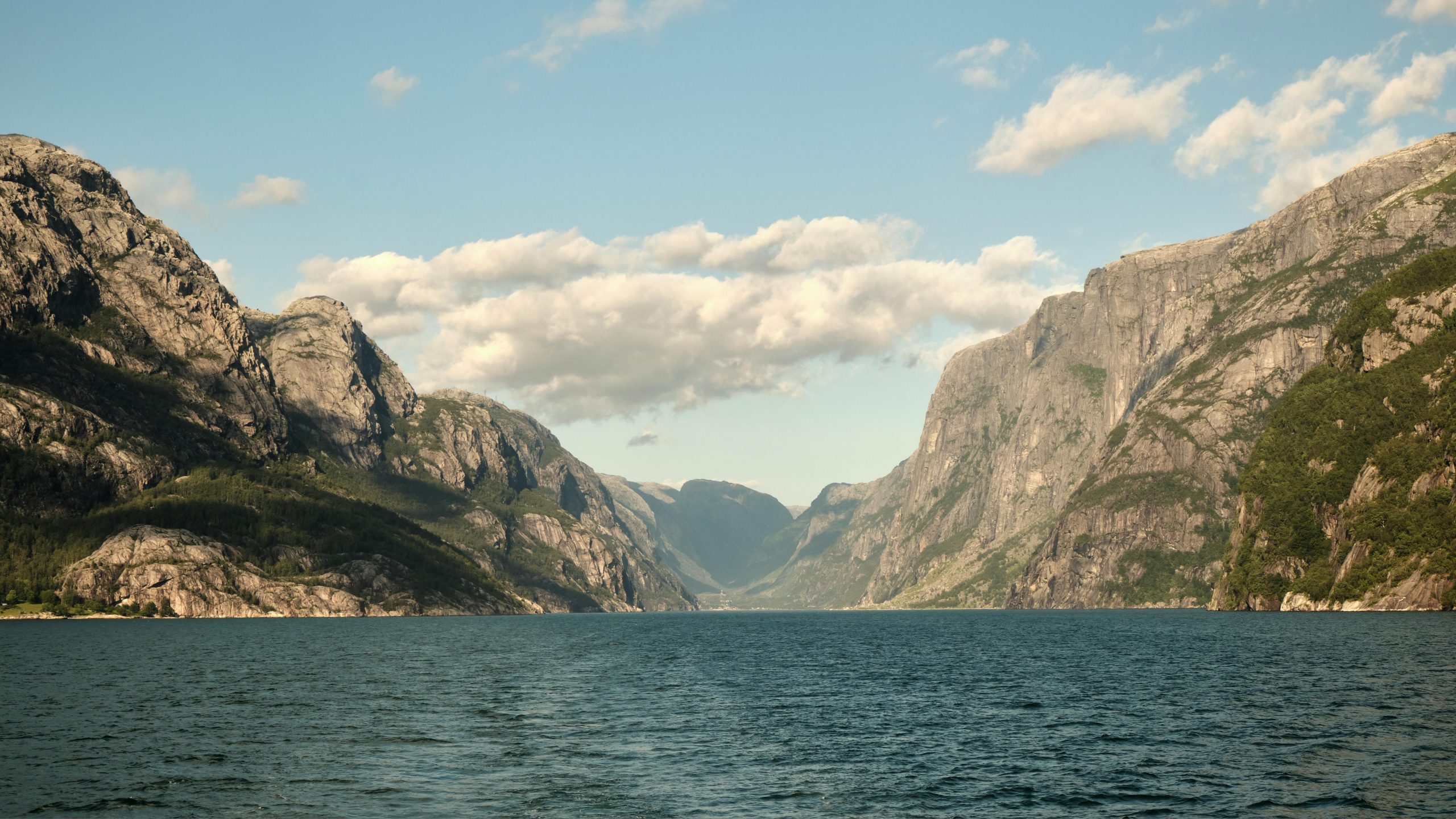

The Norwegian fjords have a reputation that is well earned. Sheer cliffs dropping straight into dark water, waterfalls tumbling down from impossible heights, valleys so still and quiet you can hear yourself breathe, it is the kind of scenery that genuinely stops you in your tracks. That said, when you go matters enormously. The fjords in July feel like a completely different place to the fjords in January, and knowing what each season actually offers can save you from a trip that does not quite match what you had in mind. If you are weighing up your options, an Oslo Fjord cruise is a brilliant starting point; it pairs the waterways with one of Scandinavia’s most engaging cities.
Spring: Awakening Landscapes
March through May is when Norway shakes itself awake. The snowmelt is dramatic, water pours off the mountains in torrents, feeding waterfalls that will slow to a trickle by late summer. Wildflowers appear along the shoreline, the air smells clean and cold, and the whole landscape has an energy to it that is quite distinct from any other time of year.
It is also far less busy. Spring visitors tend to be those who have done their research, and the reward for travelling before the summer rush is a quieter, more personal experience. Daylight stretches noticeably as the weeks pass, and wildlife is on the move, migratory birds returning, seals lazing on rocks, the occasional glimpse of something larger if you are lucky. Photographers tend to love it: the light is soft and flattering, and the greenery is vivid without being overdone.
Summer: Long Days and Vibrant Activity
June to August is peak season, and the reasons are obvious enough. Temperatures climb into the low twenties on good days, the days themselves are extraordinarily long, and further north the midnight sun means the sky never fully darkens. Experiencing 24-hour daylight for the first time is genuinely disorienting in the best possible way.
The flip side is that summer draws a crowd. Popular routes get busy, fjord towns fill up, and accommodation books out quickly if you leave it too late. But there is something to be said for the atmosphere, local festivals, outdoor markets, harbour life in full swing. If you want to combine sailing with hiking or kayaking, summer is unquestionably the time to do it. Just book early and plan ahead, because Norway in summer is not exactly a secret.
Autumn: Tranquil Colours
September brings an almost immediate shift. The summer visitors thin out, the pace slows, and the fjords start to look quite spectacular in a different way. The hillsides turn, reds, oranges and golds reflecting in the water below, and the contrast against those dark, deep channels is genuinely breathtaking.
Rain becomes more of a factor from October onwards, but do not let that put you off. Rain keeps the waterfalls full and the valleys impossibly green. The light, lower in the sky now, has a quality that photographers chase specifically in autumn. And without the summer crowds, there is genuine space to absorb it all, to sit on deck and watch the scenery pass without elbowing for a view. For anyone who finds busy tourist seasons exhausting, autumn is the obvious alternative.
Winter: A Magical Northern Experience
December through February is a different proposition entirely. Snow settles on the mountains, the water looks almost black by comparison, and the whole scene takes on a stark, rather beautiful quality that no other season can replicate. Visitor numbers drop sharply, and the fjords feel genuinely remote, which, depending on what you are after, is either the appeal or the concern.
The daylight is limited, which requires some planning. But winter light, when it appears, is exceptional, low-angle sunrises and sunsets that stretch on for what feels like hours, painting everything in amber and pink. Go far enough north and you have a real shot at the northern lights, which is the kind of thing that tends to make an impression regardless of how many photographs you have seen beforehand. Prices are generally lower in winter too, and the sense of having the fjords more or less to yourself is not something you can replicate in August.
Choosing the Right Time
There is no universally correct answer here, because it genuinely depends on what kind of traveller you are. Warmth, long evenings and maximum daylight? Summer. Quiet, colour and a sense of calm? Autumn. The drama of a landscape in bloom and the satisfaction of avoiding the crowds? Spring. Something altogether more austere, remote and photogenic? Winter, without question.
An Oslo Fjord cruise threads all of this together nicely, because Oslo itself adds a layer that purely rural itineraries can miss. The city has excellent museums, architecture that ranges from medieval to modernist, and a food scene that has improved enormously over the past decade. Combining urban time with the waterways means you are not entirely at the mercy of the weather, if the clouds close in, there is always somewhere interesting to be on dry land.
Final Thoughts
What the fjords offer, season by season, is a study in contrast. The same stretch of water looks and feels entirely different depending on when you visit, and all four versions of it are worth experiencing, given the chance. The key is matching the timing to your own priorities rather than defaulting to the most popular option simply because it is popular.
With a bit of thought about what actually matters to you, crowds, climate, light, wildlife, price, planning a cruise through this part of Norway becomes considerably more straightforward. It is a remarkable part of the world, and it rewards visitors who arrive knowing what to expect.


