

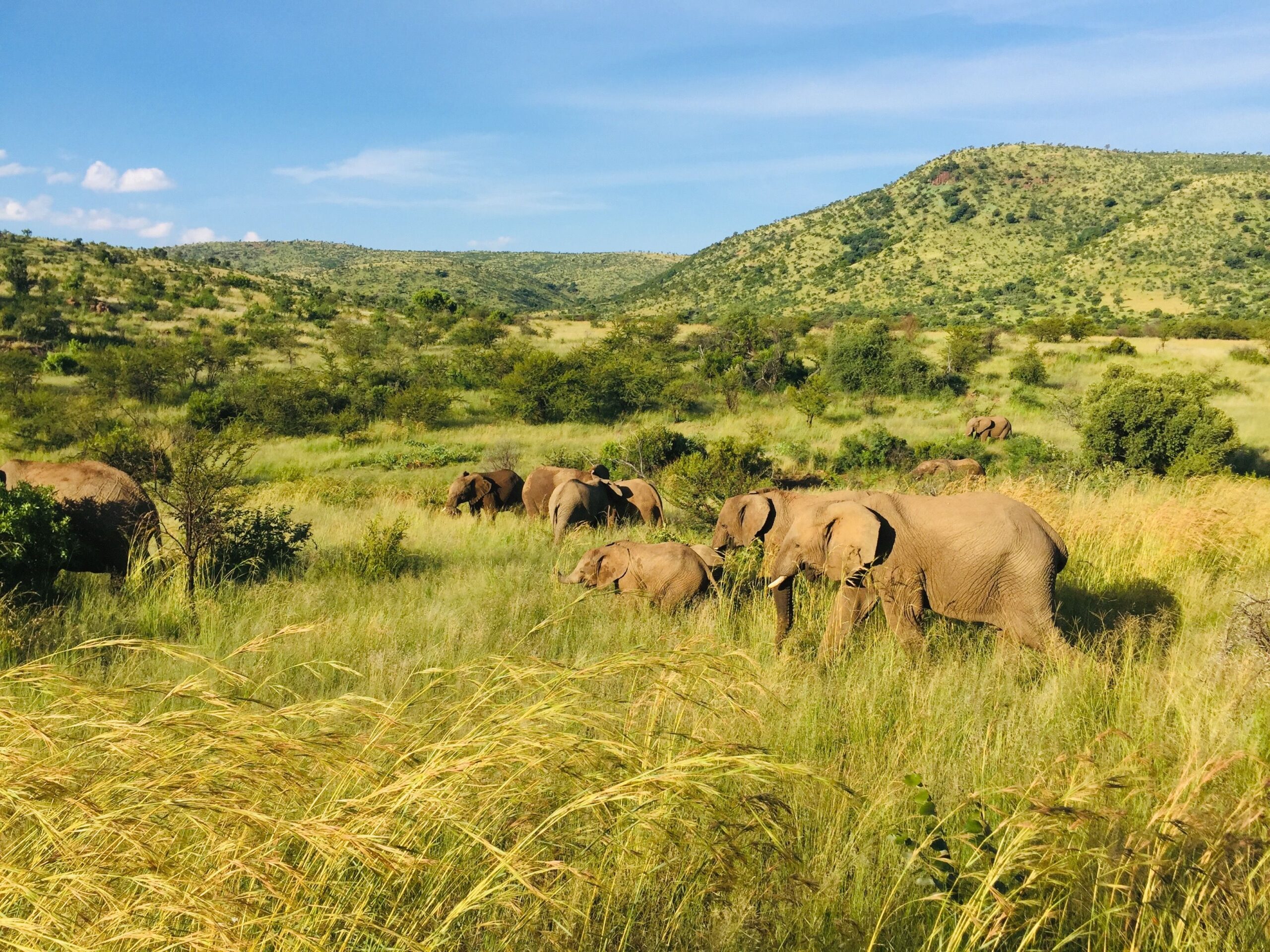

Africa’s wild landscapes have long captured the imagination of travellers seeking something beyond the ordinary. But for families with the means to travel well, the appeal goes far beyond wildlife alone. A luxury safari offers something rare in modern travel: an experience that feels both untamed and impeccably curated, where the drama of the natural world is matched by an equally considered standard of comfort. For those planning a multi-generational trip, luxury family safaris have become one of the most sought-after ways to travel together, combining adventure with the kind of polish that discerning travellers expect.
A New Standard for Adventure Travel
There was a time when safari travel meant roughing it, canvas tents, unpredictable plumbing, and long, dusty days with little reprieve. That version of Africa still exists for those who want it, but it is no longer the only option, and it is certainly not what defines the modern luxury safari. Today’s most sought-after safari experiences are designed with the same attention to detail found in the world’s finest hotels: interior design that reflects the surrounding landscape, service that anticipates needs before they are voiced, and an overall atmosphere that feels less like camping and more like an immersive, five-star retreat set against one of the most extraordinary backdrops on Earth.
For families, this shift matters enormously. Luxury family safaris are built around the understanding that travelling with children requires a different kind of infrastructure — one where comfort, safety and flexibility are not afterthoughts but the entire foundation of the experience.
Why Luxury Is the Defining Feature
It would be easy to assume that the appeal of an African safari lies purely in its wildlife, and of course, that remains central. But ask any family who has taken a luxury safari what stood out most, and the answer is rarely just the animals. It is the way the entire journey was handled, the seamless transitions between camps, the private guiding, the sense that every logistical detail had already been considered.
Luxury, in this context, is not a superficial layer added on top of the experience. It is the mechanism that makes an African safari genuinely viable for families. Long flights, remote locations, extreme temperature shifts and the unpredictability of wildlife all present real challenges. A well-designed luxury safari absorbs those challenges so that families are left with only the parts worth remembering: golden-hour game drives, quiet mornings on private terraces, and evenings spent together under an impossibly clear sky.
Design, Space and the Art of Understated Opulence
Accommodation has become one of the most transformed elements of the modern safari. Rather than uniform tented camps, many properties now favour architectural design that blurs the line between indoors and out, floor-to-ceiling views of the bush, natural materials sourced locally, and interiors that feel curated rather than functional.
For families, spatial design carries particular weight. Interconnected suites, multi-room family accommodations and private outdoor living areas allow parents and children to share proximity without sacrificing privacy. A private plunge pool overlooking a waterhole, or a shaded lounge positioned for both relaxation and unobstructed wildlife viewing, exemplifies the kind of understated opulence that defines this category of travel. Nothing about it is loud. Everything about it is deliberate.
Guiding as a Craft, Not a Formality
If there is one element that separates an average safari from an extraordinary one, it is the calibre of the guiding. On a luxury family safari, guides are rarely shared across large groups. Instead, private guiding allows the pace, tone and depth of each excursion to be tailored specifically to the family in the vehicle.
This distinction matters more than it might initially appear. A skilled guide can transform a simple sighting into a rich, layered narrative, reading animal behaviour, tracking subtle signs in the landscape, and communicating all of it in a way that resonates with both adults and children. For families, this level of expertise elevates the experience from sightseeing to genuine education, delivered with the kind of authority that only comes from years spent in the field.
Cuisine, Comfort and the Details That Matter
Fine dining has quietly become a defining pillar of luxury safari culture. Far from the assumption that remote locations mean limited options, many camps now offer refined, thoughtfully composed menus that reflect both local ingredients and international culinary standards. Meal timing is flexible, dietary needs are handled with discretion, and dining settings, whether under the stars or beside a firepit, are designed to feel like an occasion in their own right.
Beyond the table, it is the smaller, quieter details that tend to leave the strongest impression: turned-down beds after an evening drive, perfectly drawn baths, climate-controlled interiors that offer relief from the heat of the day. None of these details announce themselves loudly, yet together they create the seamless sense of ease that defines true luxury.
The Case for Getting It Right
A safari is not a trip families take often, which is precisely why the standard of the experience matters so much. Luxury, in this setting, is not indulgence for its own sake, it is the framework that allows a family to fully engage with one of the most remarkable travel experiences available, without friction, without compromise, and without the practical concerns that might otherwise dominate the trip.
For families weighing where to invest in a once-in-a-lifetime journey, the modern luxury safari offers a rare combination: the raw, unscripted beauty of the African wilderness, delivered through a level of design, service and comfort that few other travel experiences can match. It is this pairing — wild landscape and considered luxury — that continues to make luxury family safaris one of the most compelling categories in travel today.


