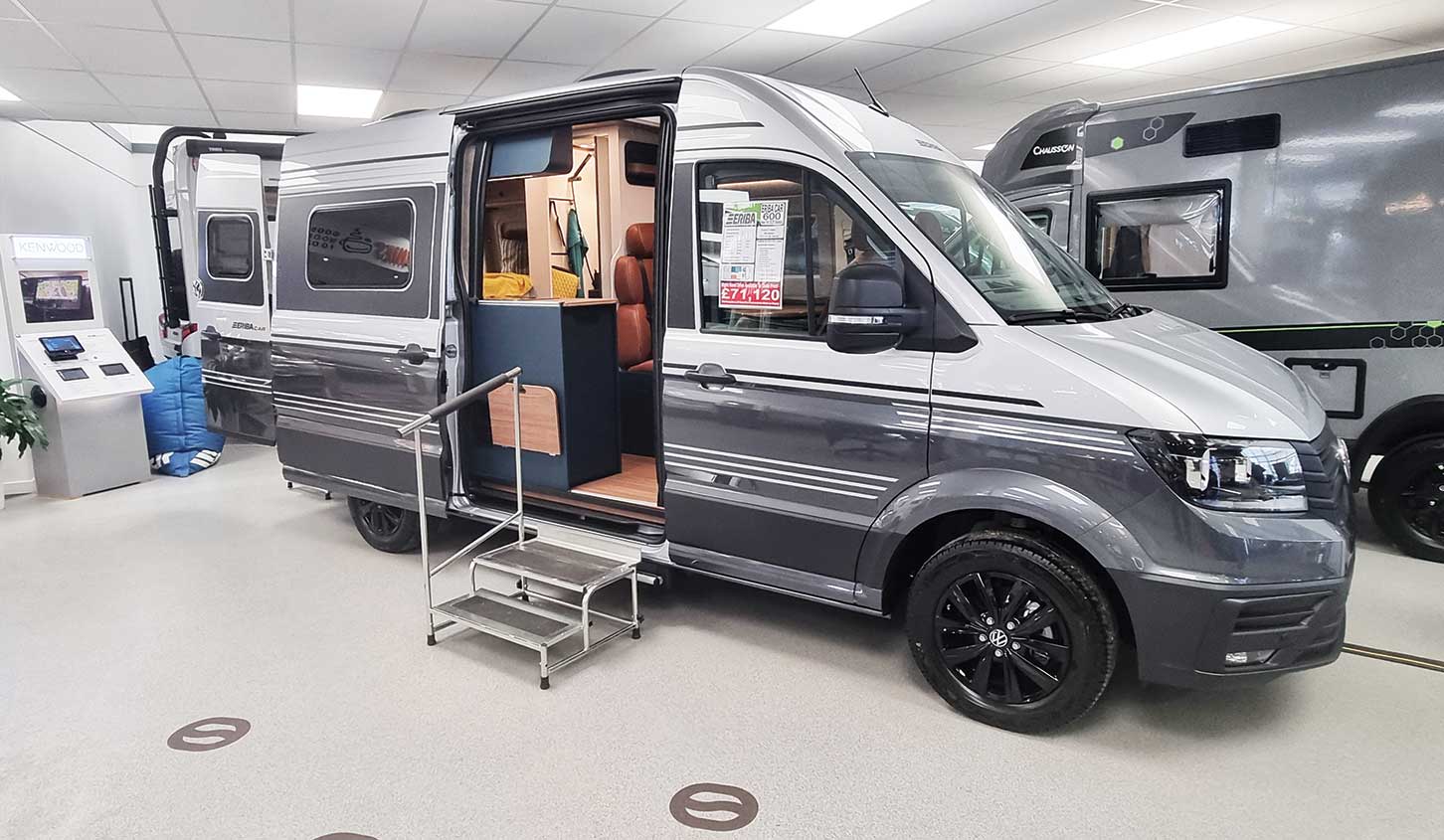

Buying a motorhome is not just about choosing a layout that looks good on a forecourt. The best new motorhomes suit the way people actually travel, from weekend breaks in Wales to longer routes through Scotland, Cornwall, the Lake District or across Europe.
For many UK buyers, a motorhome represents freedom, but the practical details matter. A vehicle that feels spacious on a viewing day may be less convenient when parked on a narrow coastal road, loaded with bikes, dogs, bedding, food, water and outdoor kit. Taking time to think through everyday use can prevent an expensive mismatch.
Start With How You Travel
A couple planning quiet weekends away will usually need something different from a family travelling during school holidays. Some buyers want a compact model that feels manageable on country lanes. Others want a fixed island bed, separate shower, large fridge, garage space and enough storage for longer trips.
The UK’s touring habits influence the decision. Many campsites have generous pitches, but older sites, rural locations and popular coastal spots can be tighter than expected. A large motorhome can be comfortable once parked, but it may feel less relaxing when navigating village streets, height barriers or smaller car parks.
It is worth being honest about travel style. If most journeys will be short breaks, ease of driving and fast setup may matter more than maximum internal space. For longer tours, storage, heating, seating comfort and washroom design become much more important.
Payload And Licence Rules Matter
One of the most overlooked details is weight. Motorhomes are sold with a maximum authorised mass, often referred to as MAM. This is the total permitted weight of the vehicle when loaded. Many popular models sit at or below 3,500kg, which is important because most standard car licence holders can drive vehicles up to that limit.
Larger motorhomes may require a C1 licence if they exceed 3,500kg. This is especially relevant for younger drivers, anyone who passed their test after 1 January 1997, or buyers considering bigger models with heavy extras.
Payload is the real-world issue behind the paperwork. Passengers, water, gas bottles, awnings, bikes, food, tools and accessories all count. A motorhome with an impressive specification can become restrictive if there is not enough payload left once normal touring items are added.
Layout Should Be Tested, Not Assumed
A motorhome layout can look perfect in photos but feel awkward in daily use. Bed access, kitchen workspace, table position, washroom size and the route through the vehicle all affect comfort.
Fixed beds are popular because they avoid the routine of making up a bed every night. Drop-down beds save space but may affect access to seating. Rear lounges feel sociable and open, but they may reduce storage. Garage storage suits outdoor equipment, but it can influence the height and shape of the sleeping area above.
Small details make a difference. Can someone use the kitchen while another person sits down? Is there enough room to change clothes after a shower? Does the table work for meals and laptops? Can coats and muddy shoes be stored near the door? These questions matter more than glossy brochure features.
Think About UK Weather And Year-Round Use
British touring is rarely predictable. A sunny weekend can turn into heavy rain by Sunday morning, so heating, ventilation and drying space are worth considering carefully. Good insulation and reliable heating make a motorhome more usable outside peak summer.
Storage for wet coats, boots and outdoor furniture is also important. A vehicle that works well in July may feel cramped in October if there is nowhere practical to put damp gear. Buyers planning winter or early spring trips should pay particular attention to heating performance, water system protection and internal comfort when doors and windows are closed.
New Motorhomes Offer A Clean Starting Point
A new motorhome gives buyers a fresh specification, modern fittings, warranty cover and the chance to choose a vehicle that matches current travel habits. That does not remove the need for careful selection, but it does give confidence around condition, service history and previous use.
The right choice should feel practical, not just exciting. A good motorhome supports the trips people genuinely want to take, whether that means simple weekends away, family holidays, festival stays or slow touring across the UK and beyond.
A well-chosen motorhome becomes part of the journey rather than a complication. By focusing on layout, weight, comfort and everyday practicality, buyers can choose a vehicle that makes travel easier from the first trip.