

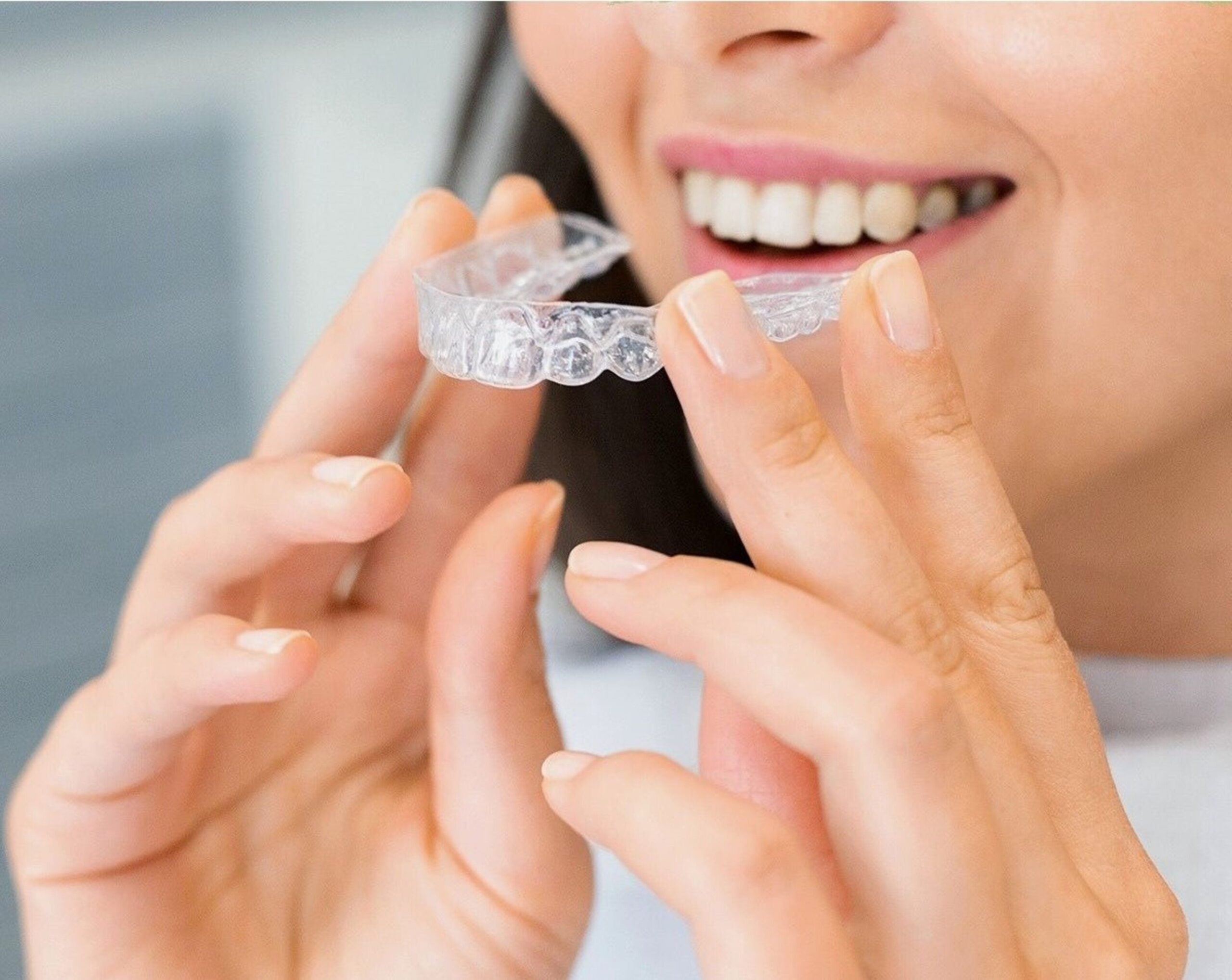

Many individuals considering teeth straightening wonder about the length of their treatment and the exact number of trays required. Clear aligner therapy has become a popular choice for achieving a straighter smile without the use of metal brackets and wires. For those exploring their options, finding the right provider for Invisalign Middlesbrough is the first step toward a confident, healthy smile. The number of aligners a person needs varies significantly from patient to patient. It depends on several unique factors related to their specific dental anatomy, the severity of their misalignment, and their personal treatment goals. Understanding how these clear trays work and what influences the total count helps set realistic expectations. This comprehensive guide breaks down the details of clear aligner therapy, explaining the clinical process in simple, easy-to-understand terms so patients feel fully informed, comfortable, and confident before they begin their orthodontic journey.
What Determines the Number of Aligners?
The total number of clear trays required for any orthodontic journey depends primarily on the starting position of the teeth and the desired final result. Every single mouth is different. Some individuals only need minor adjustments to close a small gap, while others require more comprehensive movement to correct a complex bite issue.
Orthodontists look at a few specific conditions when planning treatment. Crowding occurs when there is not enough physical space in the jaw for all the teeth to fit normally, causing them to overlap, rotate, or twist. Spacing issues happen when there are noticeable gaps between the teeth, which can affect both the appearance of the smile and the overall bite function. Bite problems, such as overbites, underbites, or crossbites, also play a major role in determining the treatment length. An overbite means the upper front teeth overlap the lower teeth too much vertically. An underbite happens when the lower teeth stick out past the upper front teeth. A crossbite occurs when some upper teeth sit inside the lower teeth when the mouth is closed normally.
Correcting these specific issues requires precise, controlled pressure applied over time. The aligners must guide the entire tooth, including the root beneath the gum line, through the jawbone. The more complex the starting position, the more trays are needed to guide the teeth into their proper places safely. A minor gap might only need a few trays, whereas a severe overbite could require dozens. When patients consult with a specialist for Invisalign Middlesbrough, the clinician evaluates these exact anatomical factors to create a highly personalized, step-by-step roadmap for their smile.
The Role of Digital Scans and Treatment Planning
Gone are the days of uncomfortable, messy putty impressions that often triggered a gag reflex. Modern orthodontic clinics use advanced digital intraoral scanners to create a precise, highly detailed 3D model of the teeth in just a few minutes. This technology is a significant advancement for patient comfort and clinical accuracy. It allows the dental team to map out the exact movement of every single tooth before the first physical tray is even manufactured.
During the initial consultation, patients can actually see a virtual simulation of their teeth moving from their current position to the final, straightened result. This visual plan shows exactly how many steps, or aligners, the treatment will take. The specialized software calculates the optimal amount of movement for each tray, ensuring the teeth shift safely, comfortably, and predictably. Because the plan is entirely customized to the individual, two people with similar-looking teeth might end up with a completely different number of trays. The digital planning stage is crucial for accuracy. It ensures that the physical trays manufactured in the laboratory perfectly match the clinical strategy designed by the dentist. For anyone seeking Invisalign Middlesbrough, this digital approach provides clarity and peace of mind, showing the expected outcome before committing to the process.
Typical Treatment Timelines and Aligner Counts
While every case is entirely unique, it is helpful to understand the general timelines associated with clear aligner therapy. The total number of trays directly correlates with the length of the treatment. Each tray represents a small step in the journey, usually moving the teeth by a fraction of a millimeter per stage.
For mild cases, such as minor crowding or small spacing gaps, patients might only need between 10 to 20 aligners. These simpler cases often take around three to six months to complete. This is common for individuals who have had braces in the past and only need minor relapse correction, or those with very slight spacing issues that are mostly cosmetic.
Moderate cases typically require 20 to 30 aligners. This category includes patients with noticeable crowding, larger gaps, or mild bite issues that need functional correction. The treatment duration for moderate cases usually falls between six and nine months. This is the most common range for adults and teenagers seeking a comprehensive smile makeover without extreme dental misalignments. The system is highly effective for these types of cases, providing a perfect balance of efficiency and results.
Complex cases can require 30 or more aligners. Severe crowding, significant gaps, or major bite corrections demand a longer sequence of trays to ensure the teeth move safely without damaging the roots or surrounding bone structure. These treatments can take nine to twelve months, or sometimes longer depending on the biological response.
When discussing timelines at a clinic offering Invisalign Middlesbrough, the dental team will provide a careful estimate based on the 3D scan. It is important to remember that these are educated estimates. The human body is dynamic, and teeth respond to orthodontic pressure at their own biological pace.
How Often Are Aligners Changed?
The total number of trays is only half of the equation. The other half is how frequently the patient switches to a new set. Most modern clear aligner systems require patients to change their trays every one to two weeks, depending on the specific clinical plan.
Changing the trays weekly is common for cases that require faster movement or when the dentist wants to keep the overall treatment timeline as short as possible. Switching every two weeks is often recommended for patients whose teeth need a bit more time to settle into each new position, or for those who experience more sensitivity during the transition.
The absolute key to success is wearing the trays for 20 to 22 hours every single day. They should only be removed for eating, drinking anything other than plain water, and performing daily brushing or flossing routines. If a patient wears their trays for the recommended amount of time, the teeth will move according to the planned schedule. If they fall short on daily wear time, the teeth will not reach the intended position by the time the next tray is due. This can lead to discomfort, poor tracking, and might require additional trays to get the treatment back on track. Consistency is the most critical factor in determining whether a patient finishes with the exact number of trays originally planned during their Invisalign Middlesbrough consultation.
Factors That Can Change the Number of Aligners
Even with the best digital planning and strict patient compliance, the number of aligners can change during the course of treatment. Several biological and practical factors can influence this, and understanding them helps patients stay prepared and patient.
The most common factor is patient compliance. As mentioned, the trays must be worn for at least 20 to 22 hours a day. If a patient frequently forgets to put them back in after meals or takes them out for extended periods, the teeth will not move as quickly as planned. When the patient returns for their progress check, the dentist might notice that the teeth are a step behind the virtual plan. In this scenario, the clinician may decide to keep the patient on the current set of trays for an extra week, or they might need to order additional trays to finish the job.
Another factor is the biological response of the teeth and the use of attachments. Attachments are small, tooth-colored composite bumps placed on certain teeth to help the aligners grip and apply specific types of pressure. If the teeth are not tracking properly with the current trays, the dentist might need to order refinements. Refinements are additional sets of trays designed to make minor adjustments and ensure the final result is perfect.
Fortunately, modern digital scanning makes ordering refinements quick and easy. The dentist simply takes a new scan of the current tooth positions and sends it to the laboratory. The lab then creates a new batch of trays to finish the alignment. While needing refinements might extend the total number of trays, it ensures the final outcome is exactly what the patient and dentist envisioned.
The Importance of Retainers After Treatment
Once the final set of aligners is worn and the teeth have reached their desired positions, the active phase of treatment is complete. However, the orthodontic journey does not end there. Teeth have a natural memory and a strong biological tendency to shift back toward their original positions once the constant pressure of the aligners is removed.
To prevent this relapse, patients must wear retainers. Retainers are custom-made appliances, often clear and similar in appearance to the active aligners, that hold the teeth securely in their new place. Initially, retainers might need to be worn full-time, but eventually, the transition to wearing them only at night while sleeping is usually possible.
Wearing retainers is a lifelong commitment. Without them, all the time, effort, and financial investment spent on straightening the teeth could be undone in a matter of months. The dental team will take final impressions or digital scans to create these retainers before the active treatment officially concludes. Proper retainer care and consistent nightly wear are essential for maintaining a beautiful, straight smile for decades to come. When completing an Invisalign Middlesbrough treatment plan, the provision of high-quality, well-fitting retainers is a critical final step to protect the investment.
Why Choose a Specialist-Led Practice in the North East?
Selecting the right dental practice is just as important as the orthodontic system itself. Teeth straightening requires a keen eye for detail, a deep understanding of facial aesthetics, and the technical skill to move teeth safely through the bone. A specialist-led practice offers a level of expertise that ensures predictable, safe, and high-quality results.
Westmount Dental has proudly served the North East of England since 2007, treating over 100,000 patients with a wide variety of dental needs. This extensive, proven experience means the clinical team has seen virtually every type of dental anatomy and alignment issue. The practice operates with a highly collaborative approach, where dentists, dental technicians, and sedation specialists work together to design comprehensive, patient-centered treatment plans.
For local residents, convenience, accessibility, and comfort are also major factors. The clinic is conveniently located on Acklam Road, making it easily accessible for those in the area. The environment is specifically designed to be welcoming and relaxing, which is especially important for patients who feel anxious about dental visits. The use of advanced technology, such as 3D digital scanners and in-house laboratory services, means that patients receive precise care without unnecessary delays. Choosing a well-established, highly reviewed clinic for Invisalign Middlesbrough provides immense peace of mind, knowing that the treatment is in capable, experienced, and caring hands.
Summary
Determining the exact number of aligners needed for teeth straightening is a highly individualized process. It depends heavily on the starting position of the teeth, the complexity of the bite, the use of attachments, and how the body biologically responds to treatment. While mild cases might only require a dozen trays over a few short months, more complex situations could need thirty or more over the course of a year.
The absolute best way to get an accurate, personalized answer is through a comprehensive clinical consultation. During this visit, advanced digital scans create a virtual roadmap of the entire journey, showing the projected number of trays and the beautiful final result. By understanding the factors that influence treatment length and committing to wearing the trays as directed, patients can successfully achieve the smile they have always wanted. For those ready to take the first step toward a straighter, healthier, and more confident smile, exploring the options for clear aligner therapy with a trusted, specialist-led dental team is the perfect place to begin.


