

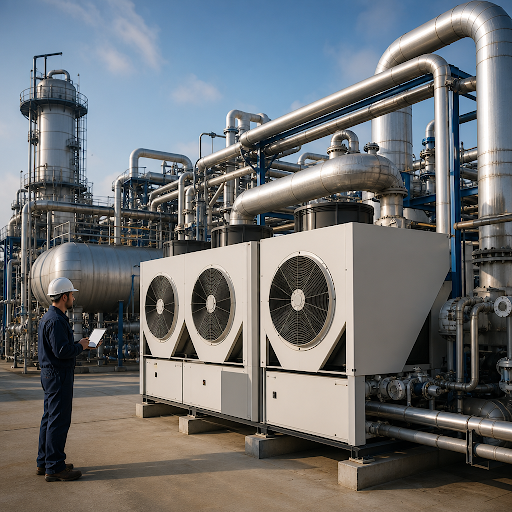

The intersection of industrial engineering and clean energy technology is reshaping how process plants operate across the globe. Heat pumps, once considered a residential or light commercial solution, have evolved into powerful tools capable of meeting the thermal demands of large-scale industrial facilities. As energy costs rise and environmental regulations tighten, plant operators and procurement specialists are turning to heat pump systems not just as an alternative, but as a strategic cornerstone of their energy infrastructure. Understanding how this technology performs across varying conditions — including cold climates — is now essential knowledge for anyone managing or investing in industrial operations.
The Industrial Case for Heat Pump Integration
Industrial process plants consume enormous quantities of thermal energy for heating, drying, distillation, and chemical processing. Traditionally, this demand has been met through fossil fuel combustion — natural gas boilers, oil-fired heaters, and steam generation systems that carry both significant operating costs and substantial carbon footprints. Heat pumps offer a fundamentally different approach: rather than generating heat through combustion, they transfer it from one medium to another using a refrigerant cycle, achieving efficiencies that can exceed 300% under optimal conditions.
For industrial applications, this efficiency translates directly into reduced energy expenditure and lower greenhouse gas emissions. High-temperature industrial heat pumps are now capable of delivering process heat at temperatures exceeding 150°C, making them viable for a much broader range of manufacturing and chemical processing applications than was possible even a decade ago. The economic argument is compelling: facilities that invest in heat pump infrastructure often see payback periods of three to seven years, with long-term savings that significantly outperform conventional heating systems.
Understanding Performance in Cold and Variable Climates
One of the most common concerns raised by industrial engineers when evaluating heat pump systems is performance reliability during winter months or in geographically cold regions. This is a legitimate operational consideration, particularly for process plants that cannot afford thermal supply interruptions. Air source heat pumps in winter conditions have advanced considerably, with modern units engineered to maintain effective heat extraction even when ambient temperatures drop well below freezing. Variable-speed compressors, enhanced refrigerant formulations, and intelligent defrost cycles have collectively addressed the performance gaps that once made cold-climate deployment impractical.
Ground source and water source heat pumps offer an additional layer of climate resilience for industrial settings. By drawing thermal energy from the earth or from water bodies rather than ambient air, these systems maintain more consistent performance regardless of surface-level temperature fluctuations. For process plants located in northern latitudes or high-altitude environments, this stability can be a decisive factor in system selection. Hybrid configurations — pairing heat pumps with supplementary boiler capacity — also provide a practical safety net during extreme cold snaps, ensuring continuous process heat availability without sacrificing the efficiency gains achieved during moderate conditions.
Refrigerant Selection and Environmental Compliance
The refrigerants used in industrial heat pump systems carry their own environmental implications. Older systems relied on hydrofluorocarbons with high global warming potential, but the industry has shifted substantially toward natural refrigerants such as ammonia, CO₂, and propane. These alternatives not only reduce the environmental impact of the refrigerant itself but often deliver superior thermodynamic performance at the temperature ranges required by industrial processes. Regulatory frameworks in Europe, North America, and increasingly in Asia are accelerating this transition, making refrigerant selection a compliance issue as much as a technical one.
Procurement and Equipment Sourcing for Industrial Heat Systems
Sourcing the right heat pump equipment for an industrial facility is rarely straightforward. Process plants have highly specific thermal requirements, spatial constraints, and integration challenges that demand customized solutions rather than off-the-shelf products. This is where specialist equipment suppliers and process plant brokers play a critical role. International Process Plants is a globally recognized resource for industrial facilities seeking to acquire, upgrade, or repurpose process equipment — including heat exchange systems, compressors, and thermal management infrastructure that form the backbone of modern heat pump installations. Their inventory and expertise span multiple industries, making them a valuable partner for facilities navigating the transition to more energy-efficient operations.
Due Diligence in Equipment Acquisition
When acquiring heat pump components or integrated systems for industrial use, thorough due diligence is non-negotiable. Equipment condition assessments, compatibility evaluations, and lifecycle cost analyses must all be conducted before any procurement decision is finalized. Refurbished or surplus industrial equipment can offer significant cost advantages, but only when sourced from reputable suppliers with transparent documentation of equipment history, maintenance records, and performance specifications. Working with established brokers who understand both the technical and commercial dimensions of industrial equipment markets reduces risk and accelerates project timelines.
Environmental and Regulatory Drivers Accelerating Adoption
Regulatory pressure is increasingly a primary driver of heat pump adoption in industrial settings. Carbon pricing mechanisms, emissions trading schemes, and mandatory decarbonization targets are making the status quo of fossil fuel-based process heating financially untenable for many operators. According to guidance from the U.S. Environmental Protection Agency on heat pump technology, these systems represent one of the most effective available strategies for reducing building and facility emissions, with benefits that extend across both energy efficiency and air quality improvement. While the EPA’s guidance addresses a broad range of applications, the underlying principles apply with equal force to industrial contexts.
Beyond compliance, many industrial operators are responding to supply chain pressure from customers and investors who demand credible sustainability credentials. Heat pump integration contributes meaningfully to scope 1 and scope 2 emissions reductions, supporting corporate sustainability reporting and ESG commitments. As carbon accounting becomes more rigorous and publicly scrutinized, the ability to demonstrate measurable reductions in process-related emissions is increasingly a competitive differentiator rather than merely a regulatory obligation.
The Role of Specialist Partners in Successful Implementation
Successful heat pump integration in an industrial process plant is rarely a single-vendor undertaking. It typically involves collaboration between engineering consultants, equipment suppliers, installation contractors, and ongoing maintenance providers. Specialist partners who understand the full lifecycle of industrial thermal systems — from initial feasibility assessment through commissioning and long-term performance monitoring — add disproportionate value to these projects. Their ability to anticipate integration challenges, recommend appropriate equipment configurations, and navigate procurement markets efficiently can mean the difference between a project that delivers its projected returns and one that falls short due to avoidable technical or commercial missteps.
Conclusion: A Strategic Shift Worth Making
The adoption of heat pump technology in industrial process plants represents more than an incremental efficiency improvement — it signals a fundamental shift in how the sector approaches energy consumption and environmental responsibility. As the technology matures, costs continue to decline, and regulatory environments grow more demanding, the question for most industrial operators is no longer whether to integrate heat pump systems, but how to do so most effectively. With the right equipment partners, engineering expertise, and procurement strategy, the transition to heat pump-based process heating is both technically achievable and financially rewarding. The plants that move decisively now will be best positioned to compete in an industrial landscape where energy efficiency and low-carbon operations are baseline expectations rather than optional enhancements.


