

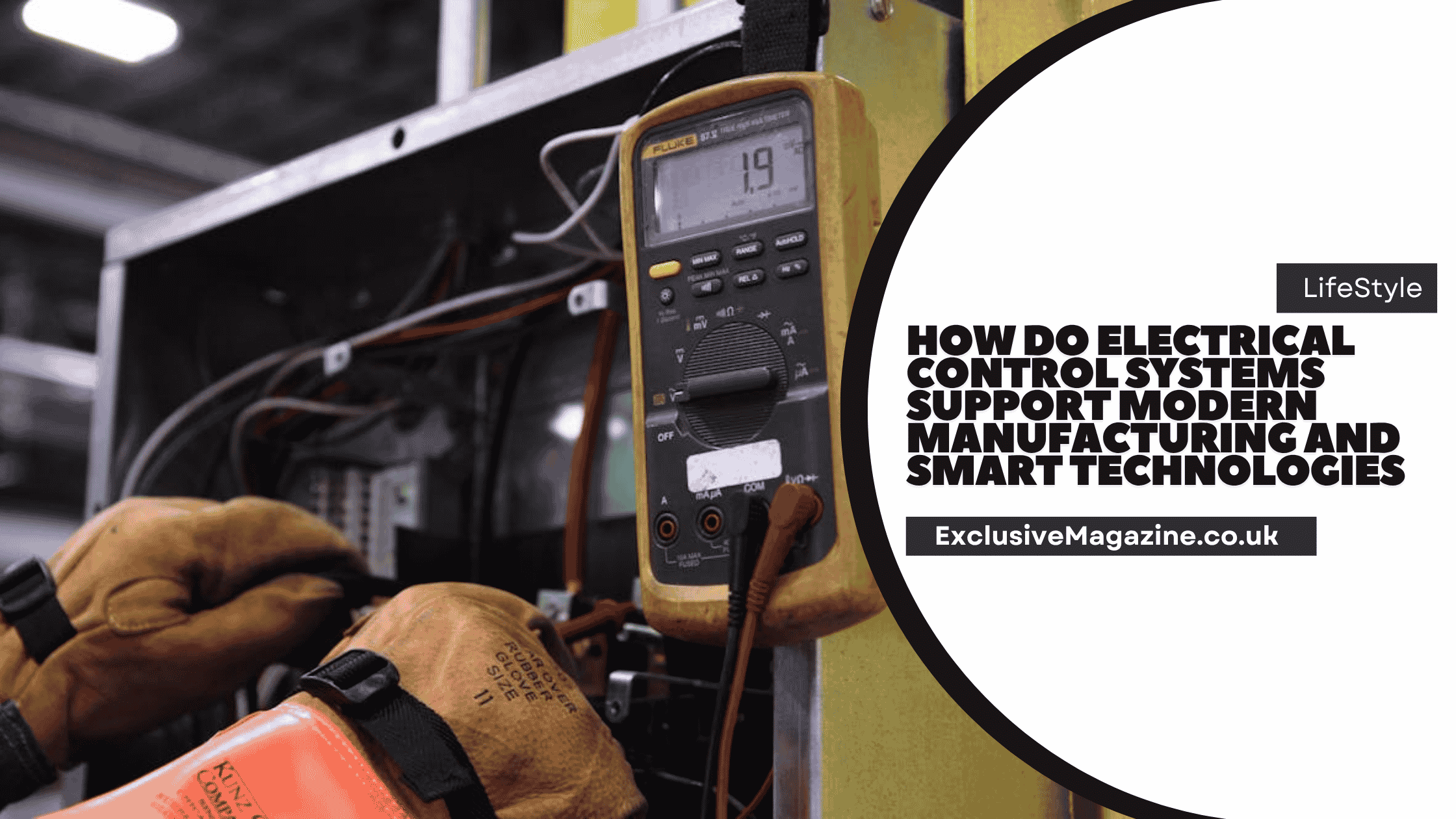

Modern life runs on smart systems. From factories to homes, machines are doing more work than ever before. Behind these systems are electrical control systems. They help machines think, react, and perform tasks with precision.
In today’s world of automation, electrical controls are not just helpful—they are essential. They power everything from factory lines to smart home devices. Without them, many modern technologies would not function the way they do.
What Are Electrical Control Systems?
A Simple Explanation for Beginners
An electrical control system is a setup that manages how machines operate. It uses electrical signals to control devices and processes.
Think of it like a brain for machines. It tells them when to start, stop, or change actions. These systems make sure everything runs smoothly and safely.
How Electrical Controls Work in Daily Life
You use electrical control systems every day without even noticing. For example:
- A thermostat controlling room temperature
- Traffic lights managing road flow
- Elevators moving between floors
Each of these uses sensors and controls to make decisions automatically.
Why They Are Important in Modern Systems
In modern systems, speed and accuracy matter. Electrical controls help machines perform tasks faster and with fewer errors.
They also reduce the need for manual work. This saves time and improves productivity.
Where Electrical Controls Are Commonly Used
Industrial Machines and Manufacturing Plants
In factories, industrial automation systems rely on electrical controls to run machines. These systems manage assembly lines, packaging, and production.
They help ensure products are made quickly and consistently.
Smart Homes and Building Automation
In smart homes, building automation systems use electrical controls to manage lighting, security, and temperature.
These systems make homes more comfortable and energy-efficient.
HVAC Systems and Temperature Control
Heating and cooling systems depend on HVAC control systems. These controls adjust temperature based on settings and environmental changes.
They help maintain comfort while saving energy.
Transportation and Traffic Management
Traffic lights and railway systems use traffic control systems to manage movement. These systems reduce congestion and improve safety.
They rely on sensors and timing controls to function properly.
Key Components of Electrical Control Systems
Switches, Relays, and Sensors Explained
Basic components like switches, relays, and sensors play a big role.
- Switches turn systems on or off
- Relays control circuits automatically
- Sensors detect changes like temperature or motion
Together, they help the system respond to real-world conditions.
Control Panels and Circuit Boards
A control panel is where all parts come together. It houses wires, circuits, and control devices.
Circuit boards help process signals and send commands to machines.
Software and Automation Controllers
Modern systems use software like Programmable Logic Controllers (PLC). A PLC is a digital computer used to control machines.
It processes data and makes decisions in real time. This allows systems to run automatically without human input.
Benefits of Using Electrical Control Systems
Improved Efficiency and Performance
One major benefit of electrical control systems is efficiency. Machines can work faster and with greater accuracy.
This improves overall performance in both factories and smart systems.
Better Safety and Risk Control
Safety is very important in any system. Electrical controls help prevent accidents by monitoring conditions and shutting down systems when needed.
This protects both workers and equipment.
Energy Savings and Cost Reduction
Energy use is a big concern today. Energy management systems use electrical controls to reduce waste.
They turn off unused devices and adjust power usage. This leads to lower costs over time.
Easy Monitoring and Automation
With modern automation systems, it is easy to monitor operations. Data can be tracked in real time.
This helps identify problems early and improve decision-making.
Types of Electrical Control Systems
Manual vs Automated Controls
Some systems are manual, meaning a person controls them. Others are automated and run on their own.
Automated control systems are more common today because they save time and reduce human error.
Open Loop and Closed Loop Systems
There are two main types of control systems:
- Open loop systems work without feedback
- Closed loop systems use feedback to adjust actions
Closed loop systems are more accurate because they respond to changes.
Programmable Logic Controllers (PLC)
A Programmable Logic Controller (PLC) is one of the most important tools in automation. It controls machines based on programmed instructions.
PLCs are widely used in manufacturing and smart technologies.
Tips for Choosing the Right Electrical Control System
Understanding Your Application Needs
Before choosing a system, you need to understand your needs. Different applications require different types of controls.
For example, a factory may need advanced automation, while a home may need simple controls.
Considering Safety and Compliance
Safety should always come first. Make sure the system meets safety standards and regulations.
This ensures reliable and secure operation.
Planning for Future Expansion
Technology keeps evolving. It’s important to choose a system that can grow with your needs.
Scalable electrical control systems allow you to add features later without replacing the entire setup.
Conclusion
Electrical control systems play a key role in modern manufacturing and smart technologies. They help machines run efficiently, safely, and automatically.
From factory floors to smart homes, these systems are everywhere. They improve productivity, reduce costs, and make daily life more convenient.
As technology continues to grow, the importance of electrical controls will only increase. They are the backbone of automation and smart innovation.
Understanding how they work can help you make better decisions, whether you are managing a business or upgrading your home systems.