
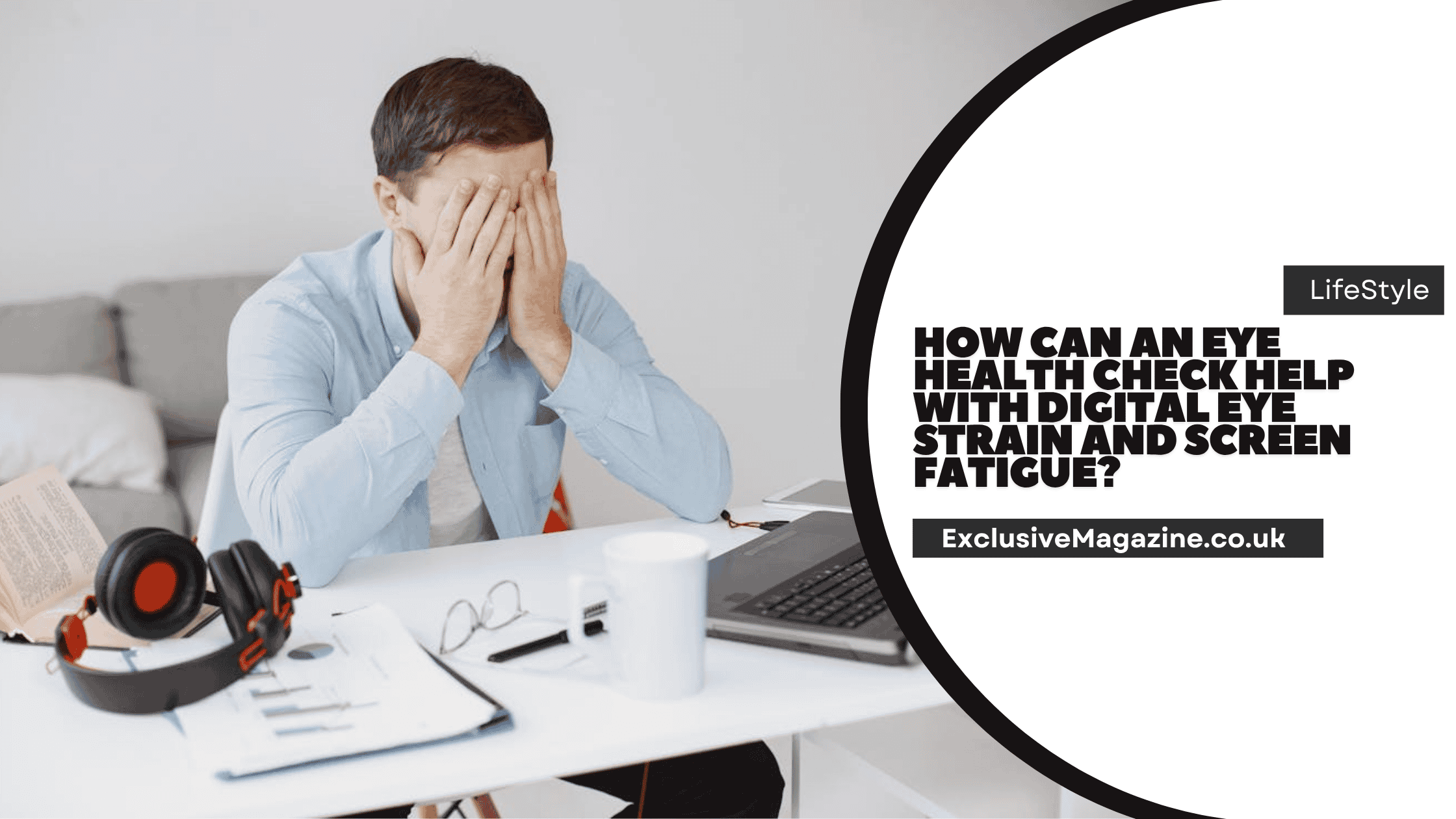

Screens are part of daily life now. People use phones, laptops, and tablets for work, school, and fun. While this makes life easier, it also puts stress on the eyes. Many people feel tired eyes, headaches, or blurry vision after long screen time. This is called Digital Eye Strain, also known as Computer Vision Syndrome.
One simple way to deal with this problem is a regular Eye Health Check. It helps detect early issues and keeps your vision clear. In this guide, we will explain how an eye check can help reduce Screen Fatigue and protect your eyes in a digital world.
What Is an Eye Health Check?
What Happens During an Eye Exam
An Eye Health Check is a full check of your vision and eye condition. A trained Optometrist or eye doctor looks at how well you see and checks for any problems.
During the exam, you may go through:
- A Vision Test to check how clearly you see
- A Refraction Test to find the right lens power
- A check for eye pressure and eye health
These tests help detect both simple and serious issues.
Why Regular Eye Checks Are Important
Regular Eye Exams help catch problems early. Many eye issues start small and get worse over time.
If you use screens daily, your eyes work harder. A routine Eye Health Check ensures your eyes stay strong and healthy.
Who Needs an Eye Health Check?
Children and Teenagers
Kids and teens use screens for school and games. Their eyes are still developing, so they need regular checks.
An Eye Health Check helps ensure proper vision during growth.
Adults with Vision Problems
Adults often face blurry vision or headaches due to long screen hours. A proper exam can identify the cause and provide solutions like glasses.
Older Adults and Eye Care Needs
As people age, the risk of eye problems increases. Regular Eye Exams help detect conditions like Glaucoma or vision loss early.
Common Problems Detected in an Eye Health Check
Blurry Vision and Refractive Errors
Many people have Refractive Errors like nearsightedness or farsightedness. These can make screen use harder.
An Eye Health Check helps correct these issues with the right lenses.
Eye Strain and Dry Eyes
Long screen time reduces blinking. This leads to Dry Eyes and irritation.
Doctors can suggest treatments like eye drops or screen habits to reduce strain.
Early Signs of Eye Diseases
An exam can also detect early signs of eye conditions like Glaucoma or retinal issues. Early care prevents serious damage.
How Often Should You Get an Eye Health Check?
Recommended Frequency by Age
- Children: once a year
- Adults: every 1–2 years
- Older adults: once a year
These regular checks help maintain good vision.
Signs You Should Get Checked Sooner
You should book an Eye Exam if you notice:
- Frequent headaches
- Blurry vision
- Burning or dry eyes
- Trouble focusing
These are common signs of Digital Eye Strain.
Types of Eye Health Checks
Basic Vision Test
A Vision Test checks how clearly you see letters or objects. It helps detect simple vision problems.
Comprehensive Eye Exam
A full Eye Health Check looks deeper into eye health. It checks for diseases and overall eye condition.
Specialized Tests for Eye Conditions
Some people may need extra tests, like:
- Retinal exams
- Eye pressure checks
- Digital strain evaluations
These help manage specific issues.
Benefits of Regular Eye Health Checks
Early Detection of Vision Issues
Regular exams help find problems before they get worse. Early care is easier and more effective.
Preventing Serious Eye Problems
Conditions like Glaucoma often show no early symptoms. Routine checks can catch them in time.
Improving Daily Life and Comfort
Clear vision improves daily tasks. It also reduces discomfort from screens and boosts productivity.
What to Expect During Your Eye Exam
Vision Testing and Eye Pressure Check
During an Eye Health Check, the doctor will test your vision and may check eye pressure. This helps detect issues early.
Discussion of Results and Next Steps
After the test, the Optometrist will explain the results. You may get:
- Glasses or contact lenses
- Eye care tips
- Advice on reducing Screen Fatigue
Tips to Maintain Good Eye Health
Healthy Screen Habits
Simple habits can protect your eyes:
- Follow the 20-20-20 Rule (look away every 20 minutes)
- Adjust screen brightness
- Keep proper distance from screens
These steps reduce Digital Eye Strain.
Nutrition and Eye Care Tips
Healthy food supports eye health. Include:
- Leafy greens
- Carrots
- Fish rich in omega-3
Good nutrition helps keep your eyes strong.
Eye Health Check for Digital Lifestyle
Managing Screen Time Effectively
Limiting screen time is key. Take breaks and avoid long continuous use.
A regular Eye Health Check helps track the impact of screen use.
Reducing Eye Strain at Work
For people who work on screens all day, small changes help:
- Use proper lighting
- Adjust screen height
- Blink often
These habits reduce Computer Vision Syndrome.
Conclusion
In today’s digital world, screen use is unavoidable. But eye problems don’t have to be. Digital Eye Strain and Screen Fatigue are common, but they can be managed with the right care.
A regular Eye Health Check plays a key role in keeping your vision clear and comfortable. It helps detect problems early, provides solutions, and guides you toward better eye habits.
By combining routine Eye Exams with healthy screen practices, you can protect your eyes for the long term. Simple steps today can lead to better vision and a more comfortable digital life.