

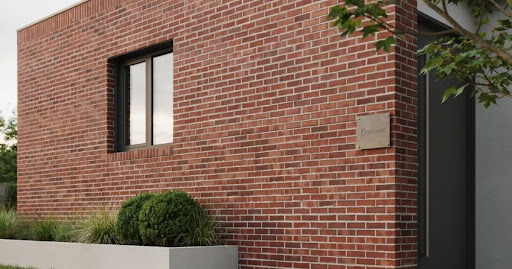

Brick slip cladding is one of the most widely used facade systems today. Brick slip cladding has a more traditional brick appearance, while using lightweight construction methods provides a practical solution for residential, commercial, educational and mixed-use developments. This groundbreaking cladding solution is being adopted all over the UK as construction projects become more demanding for speed, efficiency and sustainability.
Brick slip cladding is ideal for new construction projects, refurbishing, modular construction and facade work as it offers the impact of real brick but with a lower requirement of structural load and minimal time of installation.
So, what is Brick Slip Cladding?
Brick slip cladding is a system of prefabricated walls consisting of thin brick attached to specially engineered backup panels. These panels are produced off-site and delivered and installed as they are made, mimicking the look of traditional brickwork without the need for heavy, complex masonry work. There are numerous different types of clay bricks currently available and these can be used to create a wide range of modern finishes suited to architects and developers.
The system can be used both inside and outside and may be fitted into new-build or refurbishment projects.
Why Brick Slip Cladding Is Growing in Popularity
The construction industry is still exploring new techniques, such as modern construction methods, that enhance project performance and shorten project schedules. Brick slip cladding fits in perfectly with these goals by providing:
Quick installation as opposed to conventional brick building techniques
- Reduced structural loading
- Excellent aesthetic appeal
- Consistent factory-controlled quality
- Improved construction programme efficiency
- Compatibility with off-site manufacturing processes
These benefits make it a popular option for architects, contractors, builders and house sellers.
Key Benefits of Brick Slip Cladding
Brick slip cladding is a popular choice for its performance and appearance.
The system offers all of the visual, tactile and character of actual brickwork, with a lighter, more flexible building method. The consistent quality and on-site installation precision are ensured through factory production, thereby reducing delays and variations in on-site workmanship.
Additional benefits include:
- Long service life
- Reduced maintenance requirements
- Improved weather resistance
- Faster project completion
- Enhanced design flexibility
- Lightweight construction characteristics
A large number of the systems are engineered to install in different weather conditions, thus keeping projects on track throughout the year.
Applications for Brick Slip Cladding
Brick slip cladding can be used in many construction projects.
Common applications include:
- Residential developments
- Apartment buildings
- Student accommodation
- Care homes
- Educational facilities
- Commercial buildings
- Mixed-use developments
- Modular construction projects
- Building refurbishments
- Over-cladding existing structures
It can be used for contemporary and traditional style designs and offers excellent facade performance.
Design Flexibility and Architectural Freedom
Today, the brick slip cladding system gives architects design freedom.
A wide variety of brick styles, colours, textures, and bond patterns can be used in many systems, allowing them to simulate traditional masonry or create unique modern facades. The system can be easily integrated into the original brickwork during refurbishment works, or used to create a distinctive feature on new building projects.
The versatility of brick slip cladding allows it to be used on a variety of applications, ranging from adaptive reuse of historic buildings to contemporary urban development.
Fire Performance and Compliance
Fire safety continues to be a prime concern when designing facades. Brick slips can now be utilised in a wide variety of modern brick slip cladding systems, which have been designed to adhere to stringent building regulations and fire performance standards.
Advanced systems such as A2-rated brick slip cladding solutions are designed for use on taller buildings and projects where enhanced fire performance is required. These systems provide reassurance for developers, specifiers, and building owners while helping projects achieve regulatory compliance.
When choosing external cladding materials, it is important that the system is certified and tested.
Brick Slip Cladding for Refurbishment Projects
Brick slip cladding often features in refurbishment and regeneration schemes because of its lightness.
Old brick facades may impose heavy loads on the structure. Brick slip systems offer comparable quality while reducing structural demands. This is why they are particularly effective for use on facades over existing buildings to enhance appearance and improve the performance of older facades.
It can also integrate with existing architectural features, making it ideal for renovation projects.
Sustainability and Environmental Advantages
Materials remain a key component in the drive towards sustainable construction in the UK construction industry.
Brick slip cladding helps towards sustainability goals in the following ways:
- Reduced material usage
- Lower transportation requirements
- Efficient off-site manufacturing
- Reduced construction waste
- Long-term durability
- Potential compatibility with energy-efficient building envelopes
Many manufacturers also maintain state-of-the-art manufacturing plants that strive to minimise environmental impact at every stage of production.
So we beat on, boats against the current, borne back ceaselessly into the past. Everything was beautiful and nothing hurt. It’s no use going back to yesterday, because I was a different person then.
Installation Efficiency and Project Savings
Construction programmes often face pressure from labour shortages, weather delays, and budget constraints.
Because brick slip cladding panels are prefabricated and delivered ready for installation, site labour requirements can be significantly reduced. Installation is generally quicker than traditional masonry construction, helping contractors improve productivity and maintain programme certainty. This efficiency can help reduce project expenses and accelerate completion.
Choosing the Right Brick Slip Cladding System
Selecting the appropriate brick slip cladding solution requires careful consideration of project requirements, building height, fire regulations, design objectives, and budget.
These are some of the things to consider:
- Fire classification
- Certification and testing
- Brick compatibility
- Design life expectancy
- Installation methodology
- Maintenance requirements
- Architectural finish options
- Structural performance
When working with an experienced manufacturer and facade specialist, the selected system will satisfy aesthetic and technical criteria.
Conclusion
Brick slip cladding provides an exceptional blend of style, ease of installation, durability and flexibility. With the ongoing evolution of construction practices towards new, innovative building techniques, this tested facade solution offers developers and architects the opportunity to realise the brick façade without any limitations on traditional masonry techniques.
Whether in new residential construction, in the form of brick slip cladding on commercial buildings, in refurbishment schemes or in the modern concept of modular construction, brick slip cladding continues to be one of the most effective facade solutions available today, which allows high performance with efficient and sustainable construction.