
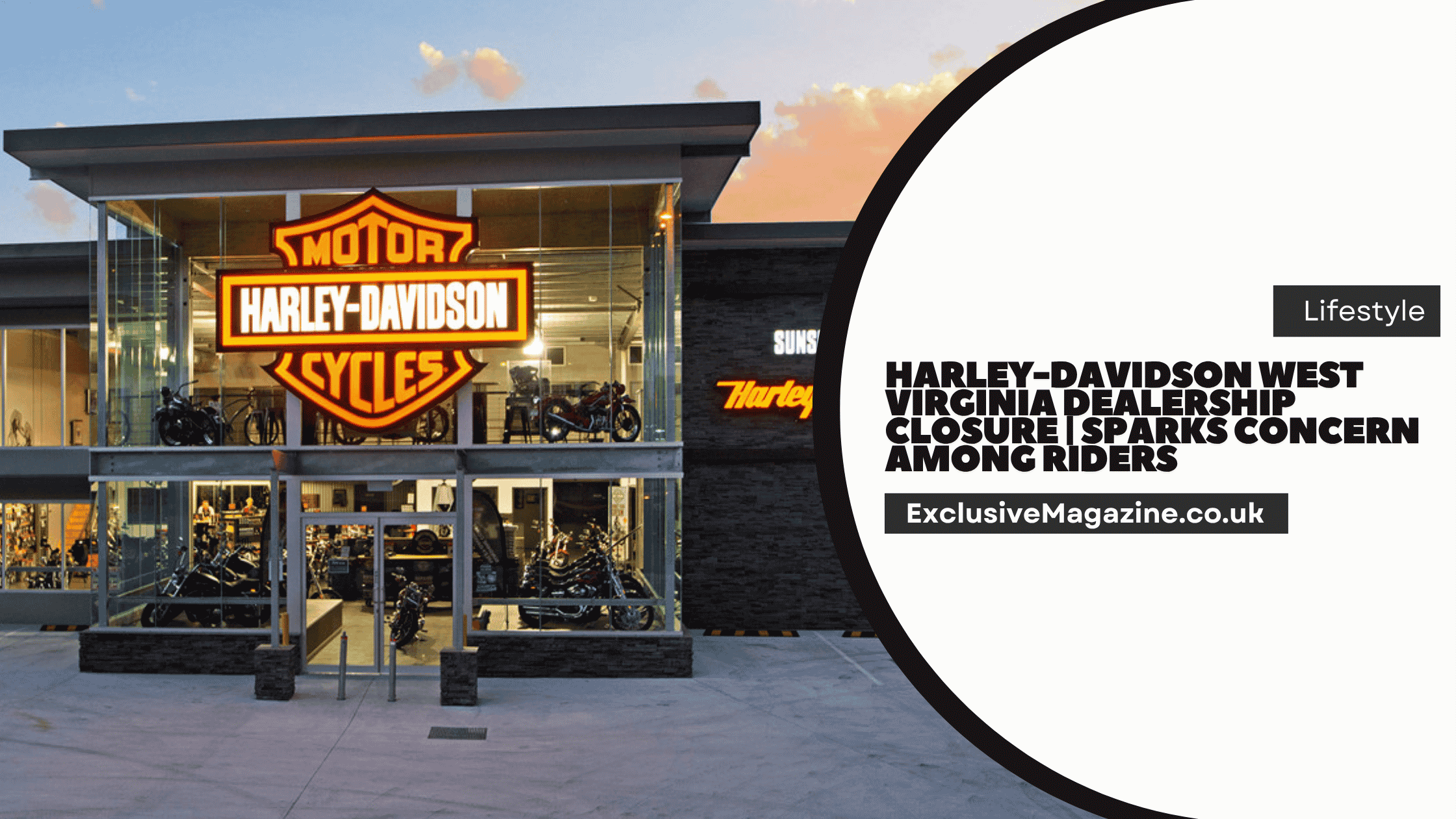

Harley-Davidson of West Virginia closed on August 30, 2025 and consolidated into Black Sheep Harley-Davidson in Huntington. The move has raised concern among riders because it changes where many customers now need to go for sales, parts, and service.
What Closed in West Virginia
The dealership in question was Harley-Davidson of West Virginia in South Charleston. Powersports Business reported in 2022 that the store had been acquired by the Cole Family of Harley-Davidson Dealerships, and that the owners planned to combine the Huntington and South Charleston locations into one new facility later on. That earlier plan helps explain why the 2025 change was framed as a consolidation rather than a sudden brand exit.
By August 2025, the dealership page and social posts indicated that the South Charleston store had ended operations and moved into Black Sheep Harley-Davidson in Huntington. Black Sheep’s own website identifies it as a Harley-Davidson dealership in Huntington, West Virginia, with full sales and service departments.
Why Riders Took Notice
For riders, a dealership closure is not just a business headline. It affects routine needs like scheduled maintenance, warranty work, parts orders, tire changes, and accessory purchases. When a local store closes or moves, the nearest service point may no longer be in the same city or even the same county. In this case, the replacement dealership is in Huntington, while the closed store was in South Charleston. That creates a longer trip for many customers in the Charleston area.
Black Sheep Harley-Davidson says it focuses only on Harley-Davidson motorcycles and offers sales and service, parts, apparel, financing, and storage. That means the new location is not just a showroom. It becomes the main point of contact for customers who used to rely on the South Charleston store.
What Changed for Customers
The most immediate change is access. Riders who once used the South Charleston location now need to work through the Huntington dealership for most of the same services. Black Sheep’s website lists its address as 408 4th St, Huntington, West Virginia 25701-1315. It also lists service, parts, apparel, and financing departments, which shows that the consolidated store is designed to handle the full dealership role.
That matters because Harley-Davidson owners often build long-term service relationships with one dealer. They return for maintenance records, diagnostic work, accessories, and bike upgrades. When a store closes, riders may need to reset that relationship at a new location, with new staff, new hours, and a new service queue. Those changes can feel minor on paper, but they can be significant for daily riders and long-distance travelers.
The Bigger Harley-Davidson Context
This closure fits into a wider period of pressure for Harley-Davidson and its retail network. Harley-Davidson’s own strategy page says the company has a “renewed commitment” to its exclusive dealer network and wants to improve enterprise profitability through that network. That language shows how important dealers remain to the brand’s business model.
At the same time, Reuters reported in February 2025 that Harley-Davidson expected 2025 profit and motorcycle revenue to be flat to down 5% as consumers pulled back from big purchases. Reuters also reported in May 2025 that Harley-Davidson warned tariffs would hurt results and suspended its 2025 forecast. Those reports point to a tougher business climate for the brand and its retail partners.
Why Dealership Closures Happen
Dealership closures usually come from a mix of business pressures, not one single cause. For Harley-Davidson dealers, the main issues often include weaker demand, higher operating costs, financing pressure, and the cost of running large facilities. Harley-Davidson itself has said it wants stronger dealer health, which suggests that the company sees the retail side as part of the solution, not just the problem.
In practical terms, a dealership can stay open only if enough riders keep buying bikes, parts, gear, and service. When traffic slows or overhead rises, owners may decide to merge stores, reduce footprint, or move operations to a stronger location. That is why many closures are announced as consolidations. The business does not always disappear. Sometimes it shifts into one better supported site.
AG Meek store closure in Gloucester shows how regional retail shutdowns are often driven by consolidation and shifting customer demand.
What the Consolidation Means for the Harley Network
A consolidation can protect inventory, service capacity, and staff by moving everything into one location. Black Sheep Harley-Davidson says the Cole Family group has grown to eight facilities across three states, and that the Huntington store is part of a larger regional network. That kind of structure can help a dealership group keep operations stable even when one location closes.
For riders, that can be a mixed outcome. A consolidated store may offer better inventory and more resources. It may also mean longer travel times and less convenience. The key question is not only whether a dealer stays in business, but whether customers can still reach service quickly and easily. In this case, the answer is yes, but through a different city and a different storefront.
The Columbus City Schools Equity Department closure highlights how organizational restructuring can impact public-facing services and community access.
Key Facts Riders Need to Know
| Item | Details |
|---|---|
| Closed dealership | Harley-Davidson of West Virginia |
| Former location | South Charleston, West Virginia |
| Closure date | August 30, 2025 |
| New consolidated dealer | Black Sheep Harley-Davidson |
| New location | Huntington, West Virginia |
| Dealership group | Cole Family of Harley-Davidson Dealerships |
| Services at new site | Sales, service, parts, apparel, financing, winter storage |
These details are supported by the dealership announcement, the Black Sheep website, and the earlier Powersports Business report on the Cole Family acquisition and merger plan.
What Riders Should Check After a Dealer Closure
After a dealership closes or consolidates, riders should review where their bike records are stored, where warranty and service work will now be handled, and whether prepaid service or parts orders still apply at the new location. They should also confirm hours, contact numbers, and appointment rules before heading out. Black Sheep’s site lists its phone number, hours, and service departments, which makes it the clearest reference point for customers after the West Virginia change.
Dealership changes like this often create concern first and then adjustment later. Riders care about local access, reliable service, and the strength of the Harley-Davidson community around them. When a familiar store closes, those concerns are real, even when the business continues under a different roof.