

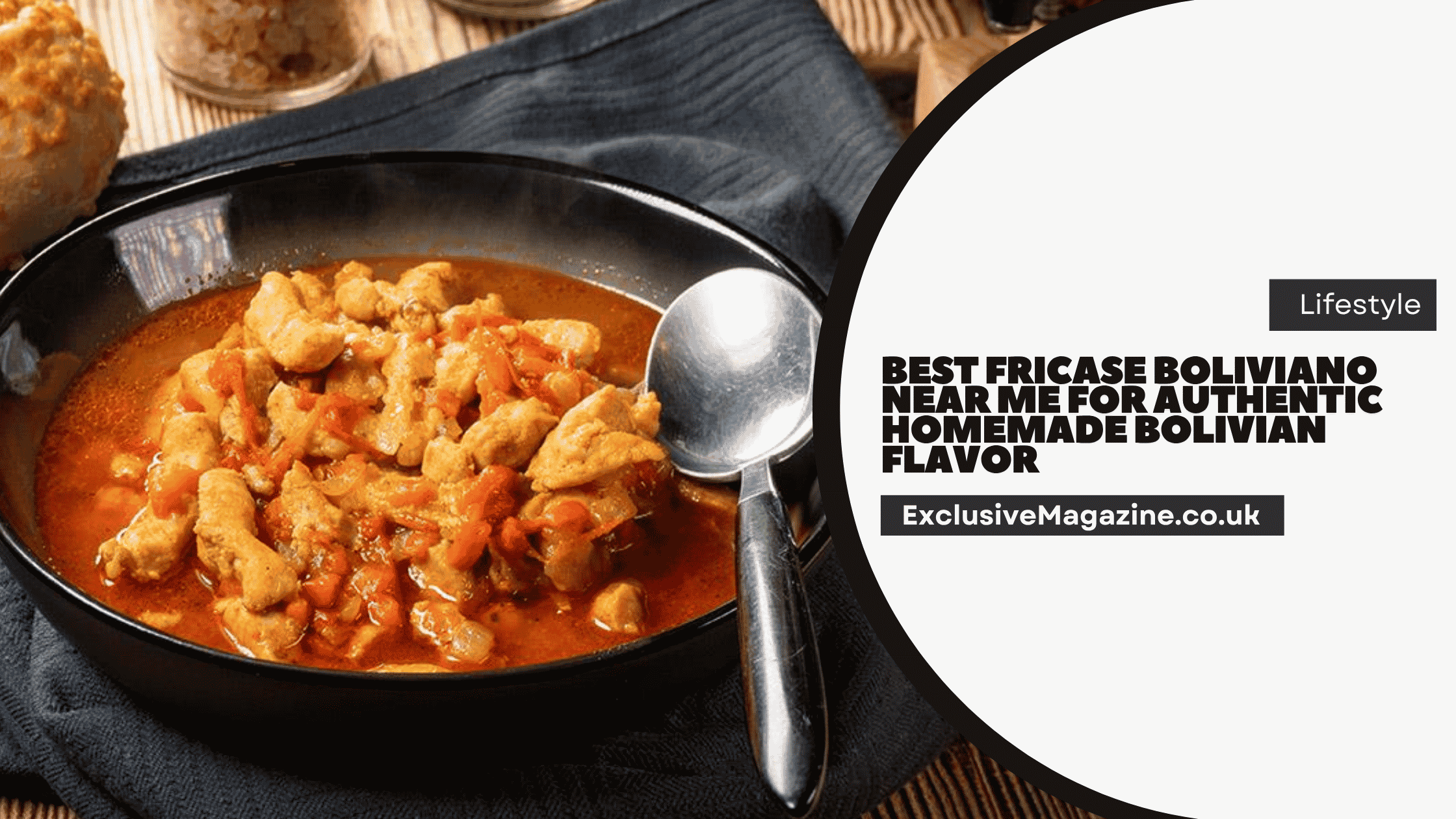

The best fricase boliviano near me is usually a small Bolivian kitchen or family restaurant that cooks the pork slowly and makes the broth from scratch.
Look for fresh chuño, corn, ají amarillo, and a rich homemade taste.
What Fricase Boliviano Is
Fricase boliviano is a traditional Bolivian stew made with pork, chuño, corn, garlic, onion, and spices. It is known for its thick broth and deep flavor. Many versions also use ají amarillo, which gives the dish its color and its mild heat.
The dish is usually served hot and fresh. It often comes with hominy corn, boiled potatoes, and bread on the side. In many Bolivian homes, fricase is cooked for family meals, weekends, and special gatherings.
When people search for the best fricase boliviano near me, they usually want the same thing. They want a place that respects the traditional recipe and does not make the dish too thin, too salty, or too oily.
How To Recognize Authentic Homemade Flavor
Authentic homemade fricase has a few clear signs. The pork should taste slow cooked, not rushed. The broth should be thick enough to coat a spoon lightly. The seasoning should feel balanced, with garlic, onion, cumin, and ají coming through in a natural way.
The chuño should have the right texture. It should not be mushy. It should hold its shape while still soaking up the broth. The corn should taste fresh and hearty, not overly sweet or canned.
A good place also serves the dish hot, not lukewarm. Homemade Bolivian food depends on temperature, texture, and timing. Fricase loses quality when it sits too long before serving.
Main Ingredients In Traditional Fricase Boliviano
Traditional fricase uses simple ingredients. The quality of each one matters.
| Ingredient | Role in the dish | What to look for |
|---|---|---|
| Pork | Main protein | Tender pieces with rich flavor |
| Chuño | Traditional Bolivian starch | Firm texture that softens in broth |
| Corn | Adds body and balance | Whole kernels or hominy style corn |
| Ají amarillo | Gives color and flavor | Smooth, warm, not overpowering |
| Onion and garlic | Build the base | Fresh aroma and clean taste |
| Cumin and herbs | Add depth | Light seasoning, not too strong |
| Potato | Adds comfort and fullness | Soft but not broken apart |
These ingredients are a good sign that the kitchen understands the dish. If several of them are missing, the meal may not taste traditional.
What To Look For When Searching For Best Fricase Boliviano Near Me
A strong search result is not only about distance. It is about the signs of real cooking. A place can be close and still miss the basics. A better choice usually shows a clear Bolivian menu, fresh cooking, and steady demand from regular customers.
Check for these details first. The restaurant should mention Bolivian food, not just Latin food in general. The menu should list fricase with its main ingredients. The broth should be described in a way that shows it is cooked fresh.
Photos also matter. Real food photos often show steam, thick broth, and natural color. If every photo looks overly edited, the food may not match the image.
Signs Of A Good Bolivian Kitchen
A good Bolivian kitchen usually keeps the menu simple and focused. It may offer fricase, salteñas, silpancho, pique macho, or other Bolivian dishes. A menu like that often means the kitchen knows the cuisine well.
Fresh preparation is another strong sign. If the kitchen makes fricase in small batches, the texture usually stays better. Pork stays tender, and the broth keeps its depth. Places that prepare large amounts too early may lose that homemade taste.
Service also gives clues. Staff should be able to explain the dish clearly. They should know whether the fricase includes chuño, corn, or potatoes. Clear answers often reflect real experience in the kitchen.
How To Judge Quality Before Ordering
Use the menu, photos, and dish description to judge the place before ordering. A short checklist can help.
| Checkpoint | What it should show | Why it matters |
|---|---|---|
| Menu description | Clear mention of pork, chuño, and broth | Shows the dish is traditional |
| Food photos | Thick stew with natural color | Suggests real preparation |
| Ingredients list | Ají, garlic, onion, corn, potatoes | Confirms the right flavor base |
| Restaurant focus | Bolivian or homemade food | Raises the chance of authenticity |
| Customer details | Fresh, hot, made to order | Supports quality and taste |
This kind of review helps reduce guesswork when searching for the best fricase boliviano near me.
How Homemade Fricase Should Taste
Homemade fricase should taste rich but not heavy in a bad way. The broth should have a warm spice level. The pork should bring depth, and the corn should give a soft sweet balance. Chuño should absorb the broth without turning into paste.
The salt level should stay moderate. Good homemade food does not depend on excess salt. It depends on proper cooking time, steady seasoning, and fresh ingredients.
A proper bowl also has layers of taste. The first sip should bring broth, spice, and aroma. The next bite should bring pork and chuño together. That balance is a major sign of authenticity.
Common Mistakes In Weak Fricase
Some restaurants serve a version that looks similar but tastes flat. The broth may be too watery. The pork may feel dry. The seasonings may be weak or uneven. Chuño may break down too much and lose its texture.
Another common problem is too much oil. Fricase needs richness, but it should not feel greasy. Too much oil covers the flavor and makes the dish feel heavy.
Some places also reduce the dish to a generic stew. When that happens, the Bolivian identity gets lost. Authentic fricase should still taste like fricase even after one spoonful.
Best Ways To Order Fricase Boliviano
Order fricase when it is freshly made or prepared in daily batches. That usually gives better texture and flavor. Ask whether it comes with chuño and corn. Those ingredients help define the dish.
If the menu allows choices, ask for the traditional version. This usually gives the closest homemade result. Ask whether the broth is mild, medium, or spicy if you prefer a certain heat level.
Some places also serve fricase with bread or rice. Bread is the more traditional match in many settings, while rice may appear in some modern versions. Either can work, but the main dish should still stay close to the classic style.
If you are exploring more traditional Bolivian dishes, you can also check Best Ensalada de Garbanzos Near Me for a fresh and healthy chickpea salad option that pairs well with homemade meals.
Best Time To Eat Fricase
Fricase is often best during lunch or early afternoon when it is served hot. The dish holds heat well, and the broth tastes stronger when fresh. Cold or reheated fricase can lose some of its texture, especially in the chuño and potato.
It also works well as a weekend meal. Many Bolivian kitchens prepare traditional dishes more carefully on busy family days. That often leads to a fresher taste and better consistency.
For dessert lovers, Best Arroz Con Leche Boliviano Near Me is a great option that brings a sweet and creamy traditional Bolivian finish after fricase.
What Makes A Place Worth Returning To
A place is worth returning to when the food stays consistent. The fricase should taste the same each time. The portion should be fair. The broth should stay balanced. The pork should remain tender.
Clean service matters too. A good kitchen keeps ingredients fresh and handles food carefully. That helps preserve the homemade taste and gives customers confidence in the meal.
Clear menu labeling also helps. When a restaurant explains what is inside the dish, it shows care and transparency. Those are useful signs when searching for the best fricase boliviano near me.
Simple Checklist For Choosing A Good Fricase Place
Choose a place that meets most of these points:
- The menu clearly names fricase boliviano.
- The dish includes pork, chuño, corn, and traditional seasoning.
- The broth looks thick and fresh.
- The food is served hot.
- The kitchen appears focused on Bolivian food.
- The staff can explain the ingredients.
- The photos and description match a homemade style.
- The dish does not look greasy, watery, or overprocessed.
Why Authentic Homemade Flavor Matters
Authentic homemade flavor matters because it preserves the dish the way it was meant to be eaten. Fricase is not just another stew. It is a Bolivian dish with a clear identity, built on simple ingredients and careful cooking.
When a restaurant respects the original method, the result feels complete. The broth tastes fuller. The pork tastes softer. The chuño keeps its place in the dish. The whole bowl feels connected.
That is what most people mean when they search for the best fricase boliviano near me. They are looking for a place that cooks with care, keeps the recipe real, and serves a dish that tastes like home.