

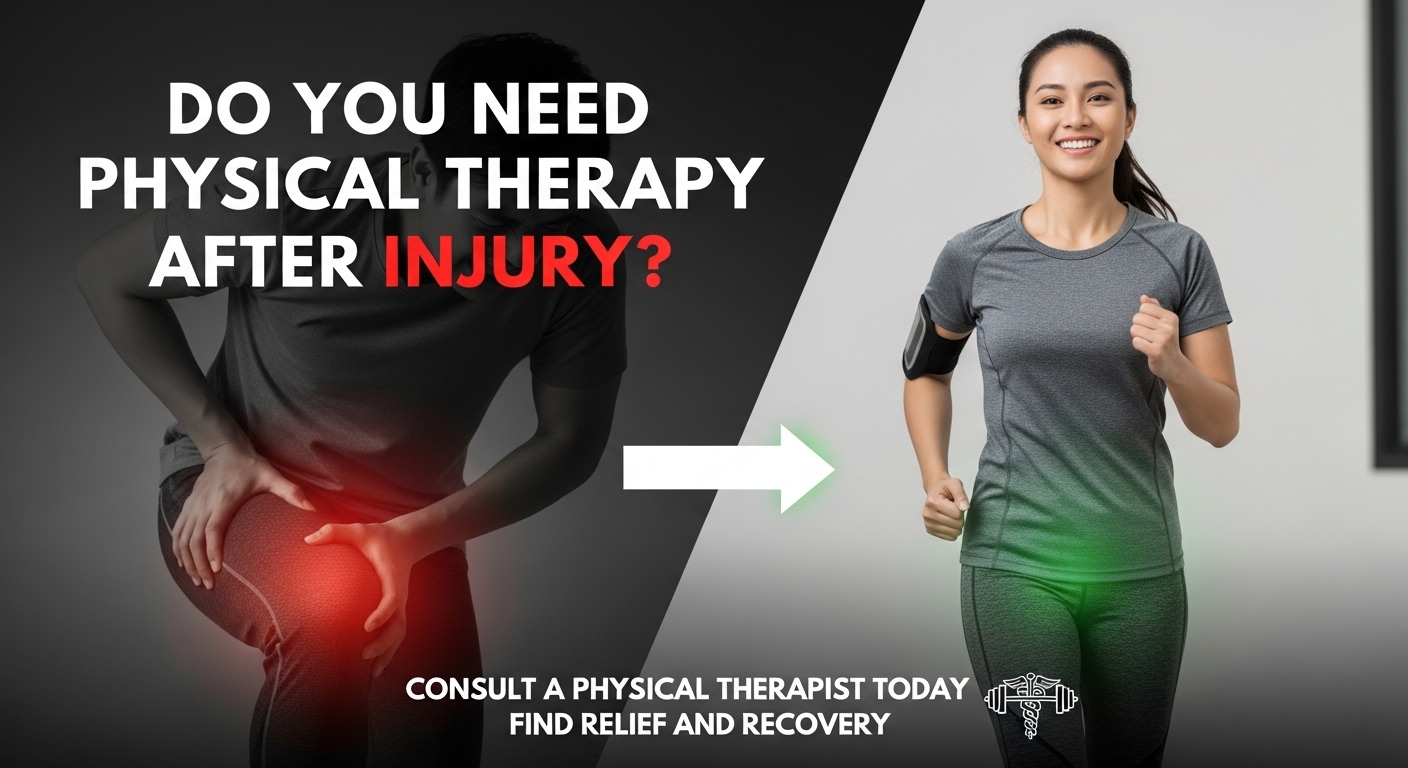

Recovering from an injury isn’t always as simple as resting and waiting for the pain to go away. Whether it’s a sports injury, workplace strain, or car accident, many people delay treatment—only to find that discomfort lingers or worsens over time. Physical therapy plays a critical role in not only speeding up recovery but also preventing long-term complications.
Signs You Should See a Physical Therapist After an Injury
Not every injury requires immediate medical intervention, but there are clear signs that professional care may be necessary. One of the most common indicators is persistent pain that doesn’t improve after a few days of rest. Pain that limits your ability to move, sleep, or perform daily activities shouldn’t be ignored.
Another key sign is reduced mobility or stiffness. If you’re struggling to bend, rotate, or bear weight as you normally would, it could indicate underlying tissue damage that needs targeted rehabilitation.
Swelling and inflammation that doesn’t subside is also a red flag. While some swelling is normal after an injury, prolonged inflammation may signal improper healing or deeper structural issues.
In cases involving sudden trauma—like a car accident—it’s especially important to seek evaluation, even if symptoms seem mild at first. Injuries such as whiplash or soft tissue damage can take time to fully present. Early intervention through car accident physical therapy can help address these issues before they become chronic.
You should also consider physical therapy if you notice muscle weakness or imbalance following an injury. These changes can alter how your body moves, increasing the risk of further strain or re-injury if left untreated.
Finally, if your recovery feels stalled—or you’re unsure how to safely return to normal activity—a physical therapist can provide a structured plan to guide you forward.
How Physical Therapy Speeds Up Healing and Prevents Re-Injury
Physical therapy is designed to do more than relieve pain—it addresses the root cause of injury and promotes long-term recovery. One of the primary ways it speeds up healing is through targeted exercises that restore strength, flexibility, and range of motion. These exercises are carefully tailored to your condition, ensuring safe and effective progress.
Manual therapy techniques, including soft tissue work and joint mobilization, also play a role in improving circulation and reducing stiffness. In some cases, advanced treatments like trigger point dry needling are used to release muscle tension and improve function, helping patients recover more efficiently.
Another important aspect of physical therapy is movement education. Therapists teach proper body mechanics and posture, which can prevent unnecessary strain during daily activities. This is especially valuable for individuals returning to work or physical routines after an injury.
For those needing additional support with daily tasks, occupational therapy treatment can help restore independence and improve functional abilities. This type of therapy focuses on practical movements and activities, ensuring you can safely return to your normal lifestyle.
Perhaps most importantly, physical therapy helps prevent re-injury. By strengthening the muscles surrounding an injured area and correcting movement patterns, it reduces the likelihood of future issues. Instead of simply masking symptoms, it builds a stronger, more resilient foundation for long-term health.
Injuries can disrupt your routine and impact your quality of life—but they don’t have to define it. Seeking physical therapy at the right time can accelerate recovery, restore confidence, and help you get back to doing what you love—safely and effectively.