

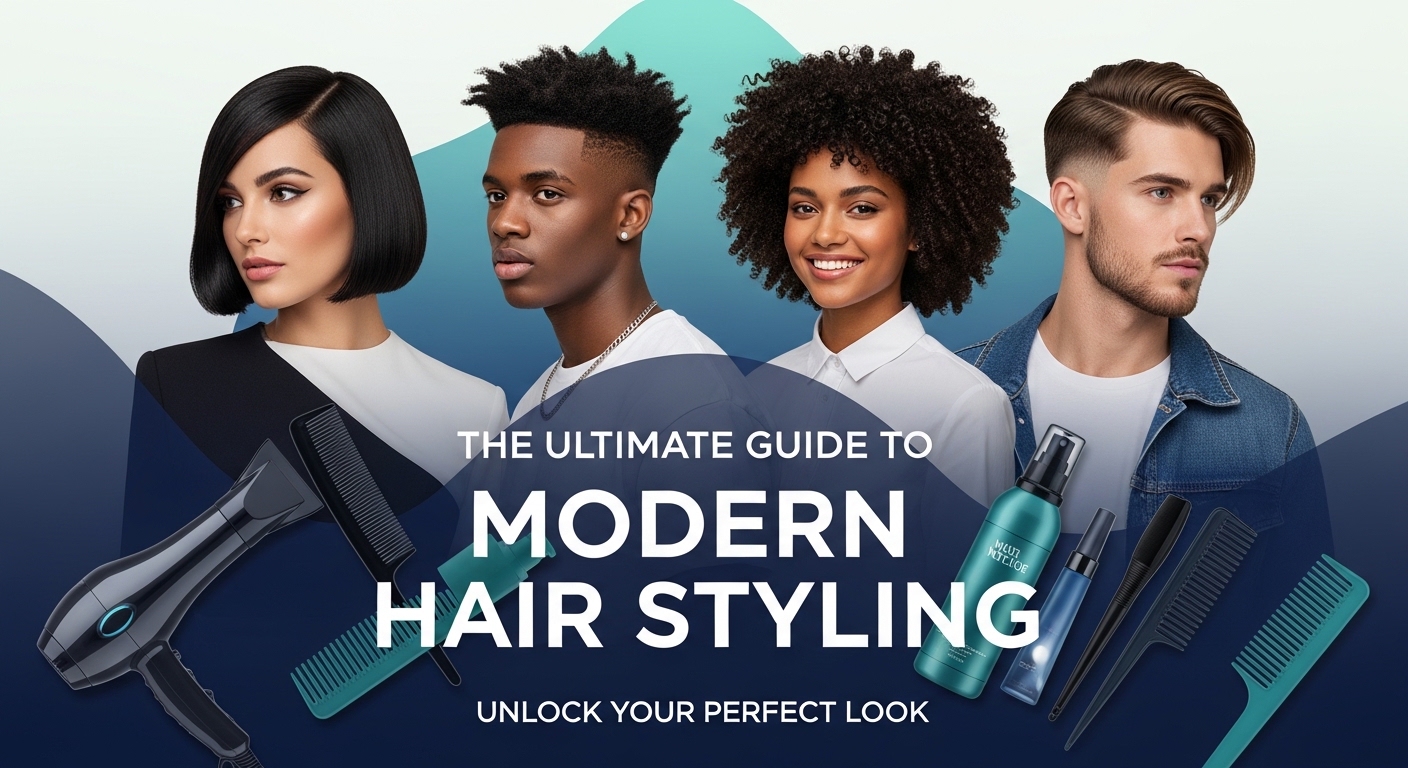

Modern hair styling has become something of an art form, blending creativity with solid technique to help you achieve results that turn heads. Whether you’re getting ready for a big event or just want to step up your everyday game, understanding what makes contemporary hair styling tick can completely transform how you look and feel. The possibilities are pretty much endless these days, from sleek, sophisticated looks to styles packed with texture and volume that really make a statement. You’ve got more resources at your fingertips than ever before, which means those techniques that used to be salon-exclusive? They’re totally within your reach now.
Understanding Your Hair Type and Texture
About hair styling, you really need to understand your unique hair type and texture before anything else. This knowledge isn’t just helpful; it’s the foundation everything else builds on. Hair generally falls somewhere on the spectrum from straight to wavy, curly, or coily, and each type responds differently to various techniques. But there’s more to it than that. Your hair’s porosity, density, and elasticity all factor into which styling methods will actually work for you rather than against you. Fine hair typically needs volumizing techniques paired with lightweight products, while thicker or coarse hair tends to thrive with moisture-rich formulas and smoothing approaches. Understanding these characteristics lets you choose approaches that complement your hair’s natural behavior instead of fighting it. According to research from the National Center for Biotechnology Information , hair structure and composition play significant roles in how styling treatments affect individual strands. When you take time to really assess your hair type, you’re setting yourself up to make smarter choices about techniques, products, and heat settings that protect your hair while delivering the results you’re after.
Essential Heat Styling Techniques
Heat styling continues to be one of the most versatile ways to create polished, professional-looking hairstyles right at home. When you’re working with heated tools, always start with clean, properly conditioned hair that’s been treated with a quality heat protectant spray or serum, this step isn’t optional. Temperature control matters more than you might think, since different hair types need different heat levels to avoid damage while still getting optimal results. Fine or damaged hair typically does best with lower temperatures between 250-300°F, whereas thick or coarse hair can handle settings up to 400°F when needed.
Mastering Product Selection and Application
The products you pick and how you use them can literally make or break your hairstyle, the difference between looking effortlessly polished and looking overdone or watching your style fall flat after an hour. Modern styling products run the gamut from mousses and gels to creams, serums, sprays, and powders, with each one designed to tackle specific needs and concerns. You’ll want to apply styling products to damp hair whenever possible, since moisture helps distribute everything evenly and allows products to actually penetrate the hair shaft more effectively. Start small with any product, you can always add more if you need it, but removing excess product is tricky and often weighs down your entire style.
Creating Volume and Texture
Volume and texture have become the defining elements of modern hairstyling, moving away from those flat, one-dimensional looks toward styles with real movement and depth. You can create natural-looking volume by focusing on the root area, try blow-drying your hair upside down or directing airflow at the roots while lifting sections away from your scalp. Backcombing or teasing still works great for adding height, though you’ll want to execute this technique gently to avoid damaging your hair or causing breakage. Texture comes from various methods, whether that’s braiding damp hair and letting it dry, using texturizing sprays, or employing specific styling tool techniques that create bends and waves.
Protecting and Maintaining Your Styled Hair
Protecting your hairstyle throughout the day and maintaining your hair’s health for future styling takes some intentional care and smart habits. Always use heat protectant products before applying any heated tools, these formulas create a protective barrier between your hair and potentially damaging temperatures. Try limiting heat styling to three or four times per week, which gives your hair time to recover and prevents the kind of cumulative damage that leads to breakage and split ends. For those who need to style their hair daily while maintaining its health and integrity, quality hair styling tools provide the temperature control and advanced features that minimize damage. Deep conditioning treatments should become part of your regular routine, ideally once a week, to replenish moisture and repair damage from styling and environmental factors. When you’re sleeping with a styled look, consider switching to a silk or satin pillowcase to reduce friction that causes frizz and messes up your style. Protective styles like loose braids or buns help preserve your look overnight while preventing tangles and unnecessary stress on your hair. Regular trims every six to eight weeks remove damaged ends and keep your hair looking polished and healthy, making future styling efforts more effective and longer-lasting.
Adapting Styles for Different Occasions
Modern hair styling requires flexibility and the ability to adapt your techniques for different settings, from casual everyday looks to formal events that call for something more sophisticated. For professional environments, you might lean toward sleek, polished styles that convey competence and attention to detail, think smooth ponytails, refined buns, or straightened hair with subtle movement. Casual settings give you room for more relaxed, undone looks that appear effortless yet intentional, like beach waves, messy buns, or natural texture enhanced with just a touch of product. Special occasions often call for more elaborate styles incorporating braids, intricate updos, or dramatic curls that create real impact.
Conclusion
Mastering modern hair styling really does open up a world of possibilities for expressing your personal style and boosting your confidence in any situation. By understanding your hair type, perfecting essential techniques, selecting the right products, and maintaining healthy hair practices, you can achieve professional-quality results from your own home. Keep in mind that developing styling skills takes time and patience, don’t get discouraged if your first attempts don’t produce perfect results. Experiment with different methods and products to discover what works best for your unique hair characteristics and lifestyle needs.