

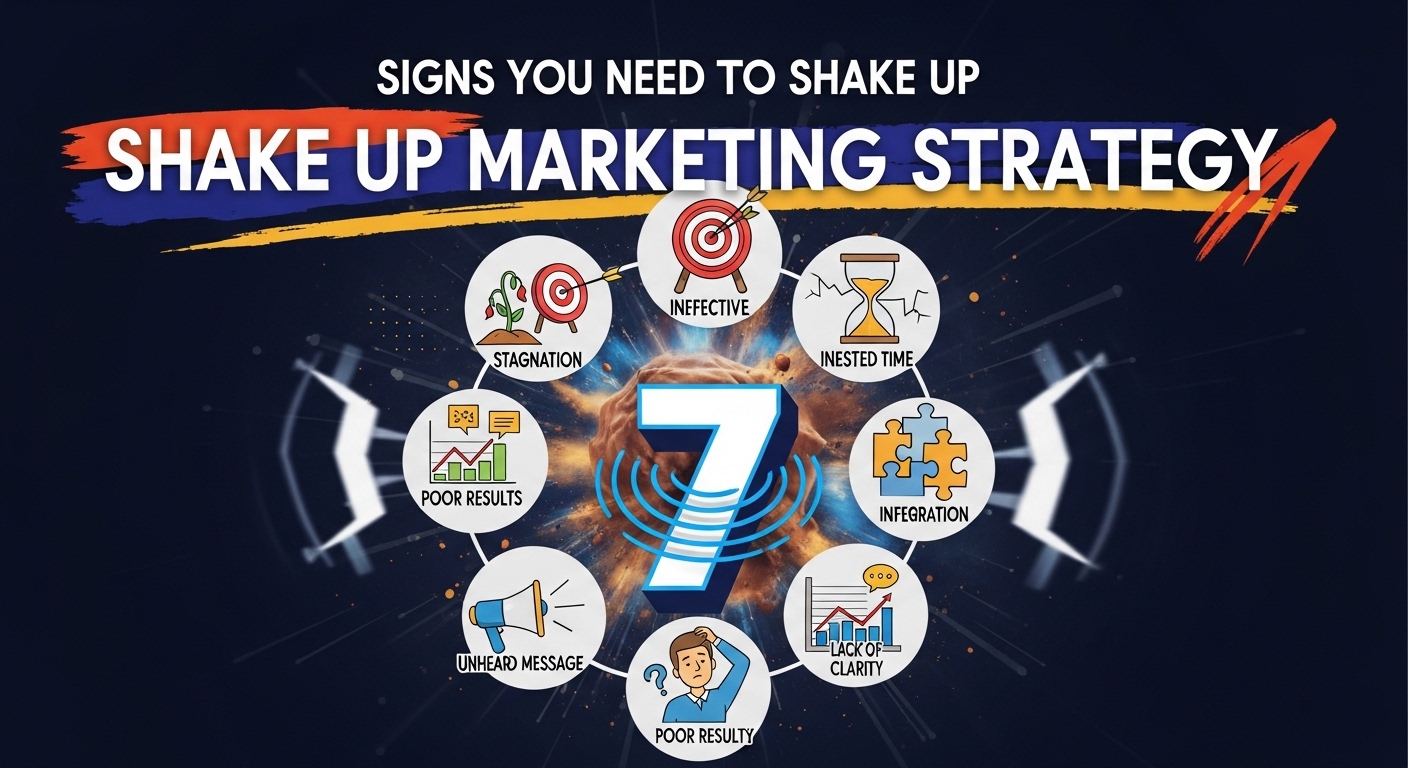

The business landscape changes fast, sometimes faster than we’d like to admit. A marketing strategy that drove impressive results last year might be barely moving the needle today, and that’s more common than you’d think. Too many businesses keep pouring resources into the same old tactics simply because “that’s how we’ve always done it, ” but this kind of thinking can quietly drain budgets and opportunities. The key is catching the warning signs early, before they snowball into serious problems.
Your Engagement Metrics Are Consistently Declining
There’s nothing subtle about this one, when your numbers are heading south month after month, your audience is trying to tell you something. Dropping email open rates, fewer social media interactions, declining website visits, or conversion rates that keep slipping aren’t just random fluctuations. They’re direct feedback that your content and messaging aren’t hitting the mark anymore. Maybe your audience has grown tired of the same messaging style, or perhaps you haven’t kept up with shifting consumer preferences and behaviors.
Your Competitors Are Consistently Outperforming You
Remember when you were ahead of the pack, and your competitors were playing catch-up? If the tables have turned and they’re now the ones generating buzz and grabbing market share, it’s time for some honest reflection. Keeping tabs on your competition shouldn’t be a once-a-year exercise, it needs to be ongoing. When you start falling behind, it usually means you’ve missed important shifts in what your market wants or how they behave. Your competitors might have jumped on emerging platforms that really resonate with your shared audience, or they’ve fine-tuned their messaging to address pain points in ways that feel more relevant and timely.
You’re Not Reaching Your Target Demographic
Here’s a frustrating scenario: your marketing is getting engagement, but when you look closer at the analytics, the people responding aren’t actually your ideal customers. Maybe you’re attracting the wrong age group, people from unexpected geographic locations, or income levels that don’t match your product’s sweet spot. This kind of misalignment usually happens when strategies get built on outdated assumptions or when you haven’t noticed that your market’s demographics have shifted. Modern marketing demands precision, broad, unfocused campaigns just burn through budget without delivering real results.
Your Marketing Channels Feel Outdated
Marketing channels don’t stay effective forever, they evolve, and what worked as your primary customer touchpoint five years ago might be significantly less powerful today. If you’re still dumping budget into channels that show declining overall usage or don’t align with how your demographic actually behaves, you’re essentially throwing money away. This doesn’t mean you should abandon traditional channels overnight, but your mix needs to reflect current consumer behavior. Many businesses have found success by shifting toward mobile-first strategies and incorporating direct communication methods that meet customers on their turf. When launching SMS campaigns, short code SMS provides businesses with memorable, easy-to-use numbers that customers can quickly recognize and respond to. The trick is evaluating each channel’s actual performance rather than just maintaining budget allocations because “that’s what we did last year. ” Consider asking your target audience directly how they prefer to receive information and make purchasing decisions, because channel effectiveness varies dramatically depending on your industry, product type, and who you’re trying to reach.
Your Message No Longer Resonates
When your core marketing message stops generating emotional connection or prompting action, you’ve got a problem that needs immediate attention. Messages can go stale from overuse, or they might simply fail to address what your target market actually cares about right now. Economic shifts, social movements, technological breakthroughs, and cultural changes all influence what resonates with consumers at any given moment. It’s worth reviewing your key value propositions and messaging themes to see if they still align with your audience’s current priorities.
You’re Seeing Poor Return on Marketing Investment
This one hits where it hurts, when you’re consistently getting poor return on investment across your marketing efforts, it’s the clearest sign that something needs to change. Spending more to acquire each customer while their lifetime value stays flat or drops? That’s a sustainability issue that won’t fix itself. Break down your customer acquisition costs across different channels and campaigns, then stack those numbers against historical performance and industry benchmarks. Poor ROI can stem from inefficient channel choices, weak targeting, unconvincing messaging, or simply getting drowned out in oversaturated spaces where everyone’s fighting for attention.
Your Team Lacks Fresh Perspectives
Marketing strategies often hit a wall when the same people tackle the same challenges with the same thinking year after year. If your marketing team hasn’t brought in new talent, invested in professional development, or engaged with outside perspectives lately, you’re probably missing opportunities and solutions that fresh eyes would spot immediately. Internal teams can develop serious blind spots, they get too close to their own work to see its weaknesses or too invested in past decisions to pivot when they should. Ask yourself whether your team has the skills and knowledge needed for today’s marketing landscape, especially when it comes to emerging technologies, platforms, and evolving consumer behavior.
Conclusion
Catching these warning signs early and acting on them decisively can make all the difference between continued growth and slowly fading into the background. The businesses that consistently thrive treat their marketing strategy as something alive and evolving, not a static plan they set and forget. Regular check-ins on performance metrics, competitive positioning, audience alignment, and team capabilities should be built into your routine, not something you scramble to do when there’s a crisis. Don’t wait until revenue is tanking or market share is disappearing to admit that your approach needs refreshing.