

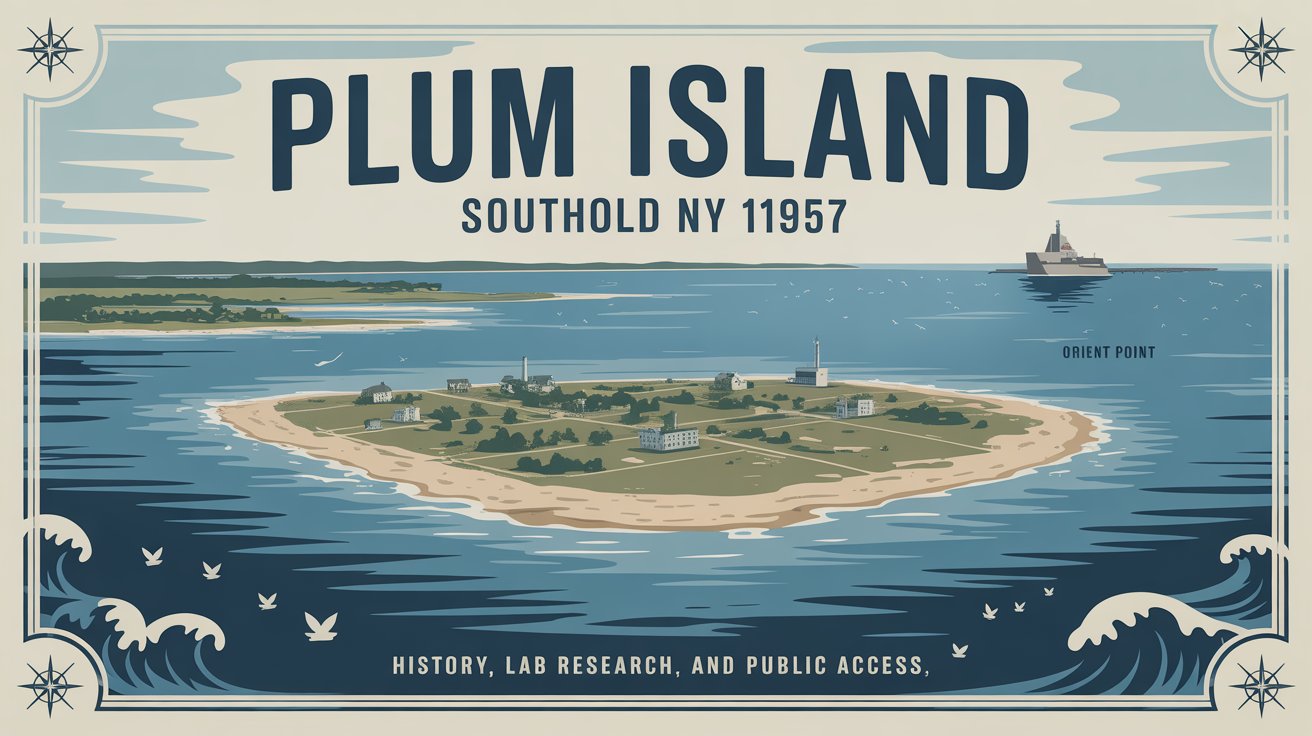

Plum Island Southold NY 11957 is a federally owned island used for animal disease research and is not open to the public. It has a long history that includes military use, scientific work, and strict access control.
Location and Basic Facts
Plum Island Southold NY 11957 sits in Long Island Sound, just east of Orient Point in Suffolk County, New York. It covers about 840 acres and belongs to the Town of Southold.
The island is close to major waterways, which made it useful for both defense and research operations.
Key Details
| Feature | Information |
|---|---|
| Location | Long Island Sound, New York |
| ZIP Code | 11957 |
| Size | About 840 acres |
| Ownership | Federal government |
| Access | Restricted |
Early History of Plum Island
Plum Island has a long recorded history that dates back to early Native American use. Indigenous groups used the land for fishing and small-scale agriculture.
In 1899, the United States government purchased the island after the Spanish American War.
This purchase marked the beginning of military development.
Fort Terry and Military Use
The U.S. Army built Fort Terry on Plum Island between the late 1800s and early 1900s.
Fort Terry served as a coastal defense base. It helped protect Long Island Sound during both World War I and World War II.
Military Role Overview
| Period | Use |
|---|---|
| Late 1800s | Coastal defense construction |
| World War I | Active defense operations |
| World War II | Anti-submarine base |
| Post-war | Reduced military role |
After World War II, military use declined. The island then moved toward scientific research.
Establishment of the Research Facility
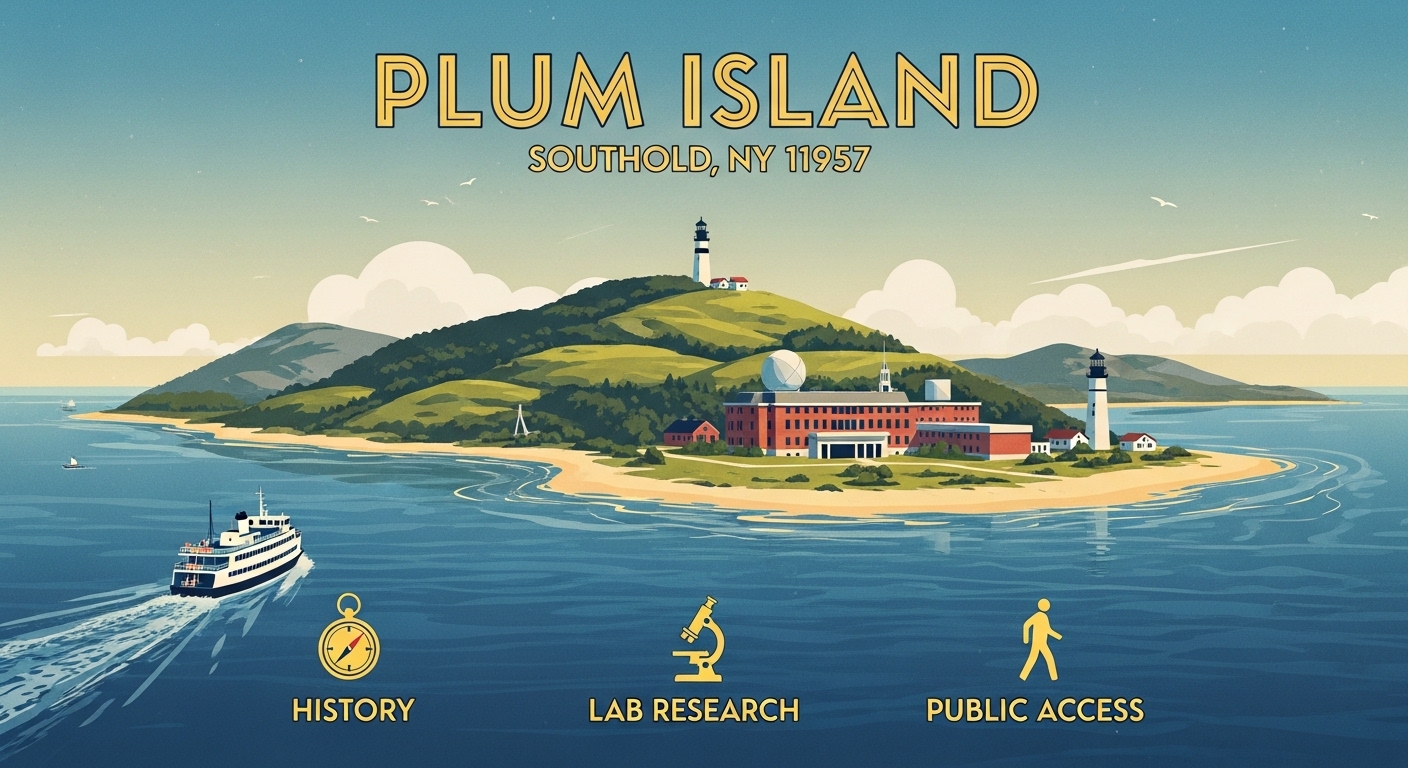
In 1954, the United States Department of Agriculture opened the Plum Island Animal Disease Center.
This facility became one of the most important research centers in the country for animal health.
Purpose of the Lab
The research center focuses on studying foreign animal diseases. These diseases can affect livestock and harm the food supply.
Examples include:
- Foot and mouth disease
- African swine fever
- Other highly contagious livestock diseases
The goal is to prevent outbreaks in the United States.
How Research Is Conducted
Scientists at Plum Island work in controlled laboratory environments. They study how diseases spread and how to stop them.
The research includes:
- Testing vaccines
- Monitoring disease patterns
- Developing response strategies
The lab is one of the few places in the United States allowed to handle live samples of certain dangerous animal diseases.
Strict safety rules apply at all times.
If you are studying health and safety principles, you can also review RN Fundamentals 2016 70 Questions to understand core concepts related to disease control and prevention.
Importance of the Research Center
The Plum Island Animal Disease Center plays a key role in national safety.
Main Benefits
| Area | Impact |
|---|---|
| Agriculture | Protects livestock from disease |
| Economy | Prevents large financial losses |
| Public health | Reduces risk of disease spread |
| Food supply | Ensures stable production |
The research supports farmers, ranchers, and government agencies.
Why Access Is Restricted
Public access to Plum Island Southold NY 11957 is highly restricted.
There are several clear reasons:
- The presence of high-risk biological research
- Federal security requirements
- Safety concerns for visitors
Only authorized personnel can enter the island.
Researchers, staff, and approved officials travel to the island using controlled transport systems.
Current Public Access Status
Plum Island is not open to tourists or general visitors.
Access Conditions
| Access Type | Status |
|---|---|
| General public | Not allowed |
| Researchers | Allowed with approval |
| Government staff | Allowed |
| Guided tours | Very rare |
Occasional visits have been allowed for officials or special groups, but these are not regular or public programs.
Future Access Possibilities
There are ongoing discussions about the future of Plum Island.
The federal government has planned to move research operations to a new facility in Kansas.
After this transition, the island may change ownership or management.
Possible future uses include:
- Wildlife refuge
- Research and education site
- Limited public access area
Any future access will likely remain controlled to protect the environment and ensure safety.
Environmental and Wildlife Importance
Plum Island is also known for its natural environment.
Because human activity is limited, the island supports many species.
Wildlife Highlights
- More than 200 bird species
- Coastal and marine animals
- Seal populations along the shoreline
- Protected and endangered species
Ecosystem Types
| Habitat | Examples |
|---|---|
| Coastal dunes | Native plants |
| Salt marshes | Crabs and birds |
| Grasslands | Deer and small animals |
| Woodlands | Songbirds |
Most of the island remains undeveloped, which helps preserve these ecosystems.
For a detailed case study on environmental risks and land stability, read our guide on Riverbank Collapse Iford Playing Fields, which explains how natural factors can impact protected areas.
Historical Landmarks on the Island
Plum Island includes several important structures.
Plum Island Lighthouse
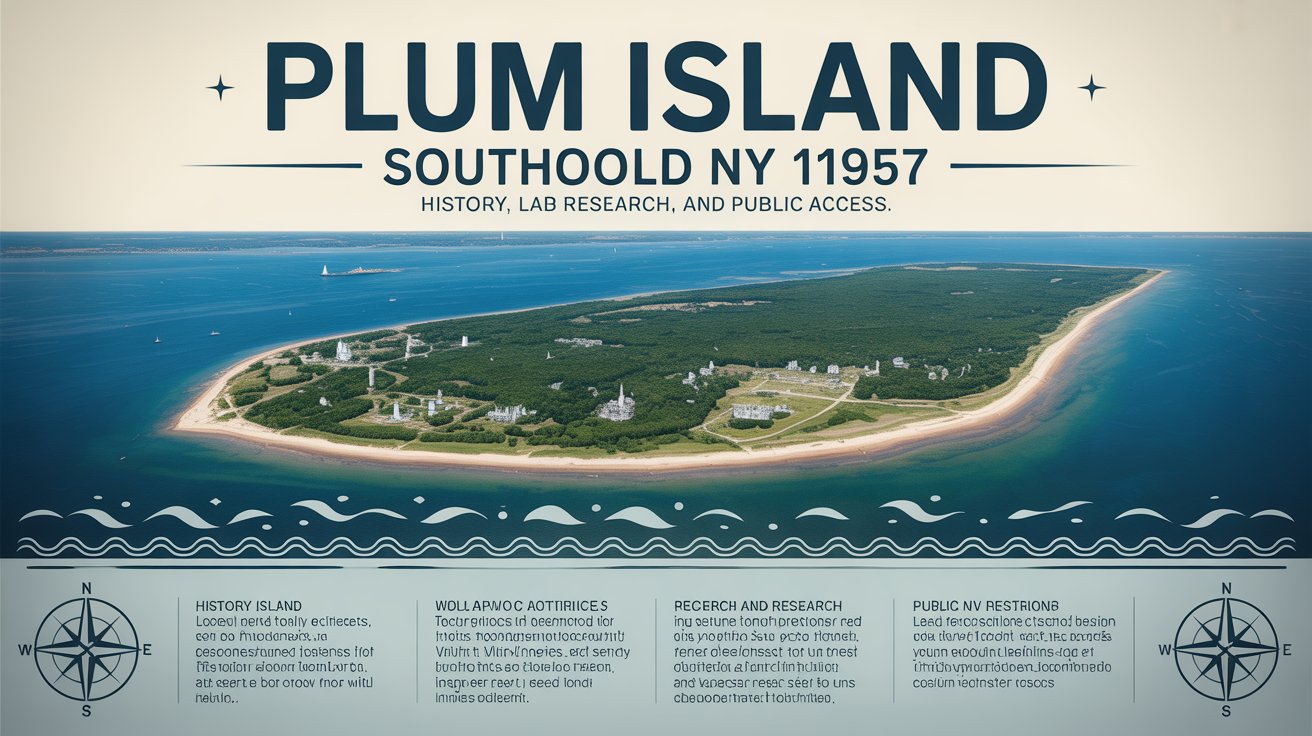
The Plum Island Lighthouse stands on the western end of the island. It was built in 1869 and helped guide ships through Long Island Sound.
Fort Terry Remains
Old military buildings and bunkers still exist from Fort Terry. These structures show the island’s defense history.
Ownership and Legal Status
Plum Island remains under federal ownership.
Over time, there have been proposals to sell or transfer the island. Some plans suggested private development, but others focused on conservation.
Local authorities have taken steps to protect large parts of the island from development.
Research Transition and Future Plans
The research facility is expected to relocate to a new center in Manhattan, Kansas.
This shift will mark the end of active laboratory use on Plum Island.
Possible Outcomes
| Scenario | Description |
|---|---|
| Conservation | Protected natural area |
| Public use | Limited and controlled access |
| Government use | Continued restricted access |
Decisions will depend on environmental studies, cleanup needs, and funding.
Key Facts Summary
| Topic | Details |
|---|---|
| Location | Near Southold, NY |
| Size | 840 acres |
| Established | Federal control since 1899 |
| Main use | Animal disease research |
| Public access | Restricted |
| Future | Under discussion |
Plum Island Southold NY 11957 remains a controlled and important site due to its role in research, history, and environmental protection.