

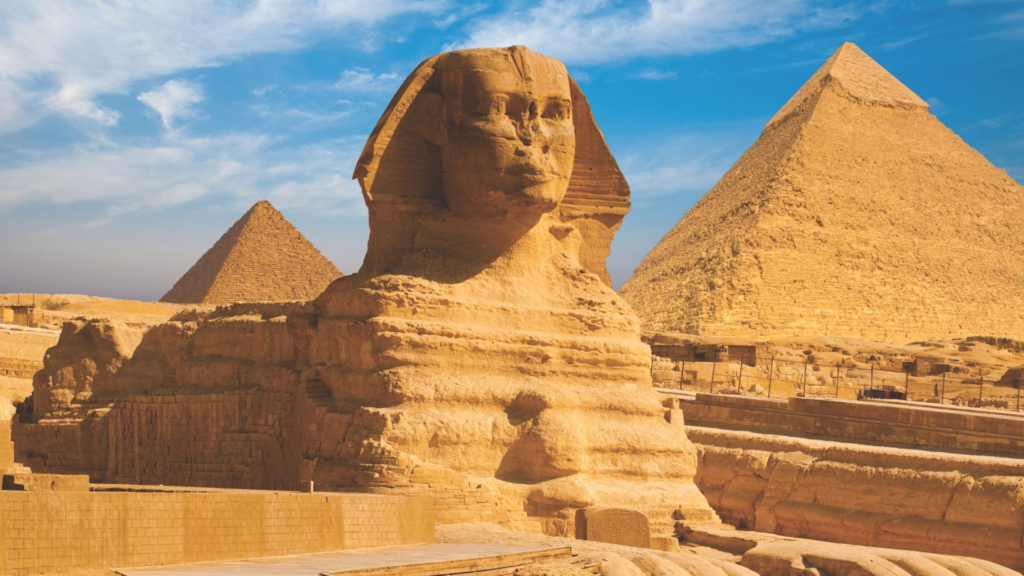

The Great Pyramid of Giza sits close enough to Cairo that traffic and city noise are part of the view. That contrast — ancient monuments pressed against modern life — sums up what makes Egypt disorienting for first-time visitors and also what makes it worth the effort to plan carefully. This guide covers the practical decisions that shape a trip, from timing to transportation to what to expect once you’re standing in front of a 4,500-year-old tomb.
When to Go
Egypt’s high season runs from October through April, when daytime temperatures in Cairo and Luxor stay in the comfortable 70s and 80s Fahrenheit. Summer months, particularly July and August, push temperatures past 100 degrees in Upper Egypt, making sightseeing outdoors genuinely difficult. December and January bring cooler evenings, especially in the desert, so pack layers even during winter visits.
Prices and crowds peak around the winter holidays and in March, when European tourists flock to the Nile Valley. Late spring (April to early May) and early fall (October) offer a middle ground: fewer crowds, milder heat, and lower hotel rates.
Getting Around
Cairo International Airport is the main entry point, with most international flights landing there before connecting to domestic routes. EgyptAir runs frequent short flights to Luxor, Aswan, and Sharm El Sheikh, and these are worth booking rather than attempting long overland drives, since road travel between cities can take six to ten hours.
Within cities, ride-hailing apps like Uber and Careem work reliably in Cairo and Alexandria and are far less stressful than negotiating with street taxis. For the Nile Valley, a river cruise between Luxor and Aswan is a practical way to see multiple sites without repacking bags every night; these cruises typically run three to four nights and stop at temples along the way, including Edfu and Kom Ombo.
Must-See Sites Beyond the Pyramids
The Pyramids of Giza and the Sphinx deserve their reputation, but they represent only a fraction of what’s worth seeing. The Egyptian Museum in Tahrir Square holds more than 120,000 artifacts, including the treasures of Tutankhamun, though the newer Grand Egyptian Museum near Giza has begun taking over much of that collection with more modern displays.
In Luxor, the Valley of the Kings holds more than 60 tombs, including that of Tutankhamun, and Karnak Temple’s Hypostyle Hall — 134 massive columns covered in hieroglyphics — is one of the most photographed interiors in the country. Aswan offers a quieter pace, with the Philae Temple accessible by boat and the Nubian villages along the Nile providing a different cultural texture than the more touristed north.
Abu Simbel, near the Sudanese border, requires either a very early flight from Aswan or a long overland convoy, but the scale of Ramses II’s temple facade makes the trip worthwhile for travelers with extra time.
What to Wear and How to Prepare Physically
Egypt is a conservative country, and dress matters more than many visitors expect. Loose, breathable clothing that covers shoulders and knees works well for both comfort and cultural respect, particularly when visiting mosques or more traditional neighborhoods.
Closed-toe shoes are worth packing even in warm weather, since many archaeological sites involve uneven stone paths, sand, or steep tomb entrances. Sun protection is not optional — a wide-brimmed hat, sunscreen, and a reusable water bottle will matter more than any guidebook on a 95-degree afternoon at Karnak.
Booking Guides and Tours
Hiring a licensed Egyptologist guide changes the experience of visiting sites like the Valley of the Kings or Karnak substantially. Hieroglyphics and temple layouts carry meaning that isn’t always explained on posted signage, and a good guide can point out details easy to miss otherwise. Many hotels and cruise operators can arrange guides directly, though booking in advance during high season is smart.
For travelers who prefer a more curated experience, several operators specialize in Egypt luxury tours that combine private guides, boutique accommodations, and skip-the-line access to major sites, which can be especially useful for shorter trips where time efficiency matters. These packages tend to cost more than independent travel but remove much of the logistical guesswork, particularly for first-time visitors juggling flights, cruises, and multiple cities in a single itinerary.
Money, Safety, and Practical Details
The Egyptian pound is the local currency, and while major hotels and tour companies accept credit cards, cash is still preferred for tipping, markets, and smaller vendors. Tipping, known locally as baksheesh, is expected almost everywhere — for guides, drivers, and hotel staff — and small bills in Egyptian pounds should be kept on hand throughout the trip.
Tourist areas in Cairo, Luxor, and Aswan are generally well-patrolled and safe for visitors, though standard precautions around pickpocketing apply in crowded markets like Khan el-Khalili. A basic understanding of Arabic greetings goes a long way, even if English is widely spoken in tourist-facing businesses.
Final Thoughts
The most common mistake first-time visitors make is trying to cover too much ground in too little time. Egypt rewards a slower pace — spending a full day at Karnak rather than rushing through, or sitting by the Nile in Aswan instead of racing to the next site. Build in buffer days, pick a handful of destinations rather than an exhaustive list, and the trip will feel far less like a checklist and more like the experience it’s meant to be.


