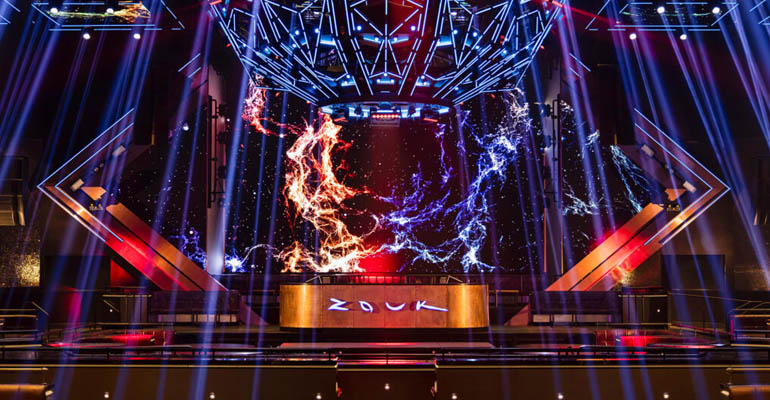

The transformation of the Las Vegas entertainment scene
For a long time, the narrative surrounding the desert metropolis focused almost exclusively on gambling floors and large-scale stage spectacles. Today, the landscape of Las Vegas events is experiencing a shift toward participation, where visitors are encouraged to become active components rather than mere spectators. This evolution marks a broader move toward entertainment that demands physical, intellectual, and sensory input from guests.
The transition from traditional to interactive models
The move away from static entertainment models has been gradual but significant. Traditional venues often positioned visitors as passive observers, seated in rows or standing near the edges of performance areas. Interactive design changed this dynamic by building environments that react to human proximity, allowing audiences to alter their surroundings through gesture, movement, or decision-making. This participatory shift forces creators to think about how a guest traverses a space because the physical path of the individual becomes the narrative structure of the experience.
What characterizes traditional Las Vegas nightlife
Traditional nightlife in the city is defined by curated environments like casinos, performance-heavy nightclubs, and classic lounge formats. These spaces prioritize atmosphere management, where the lighting, seating, and service flows are precisely controlled to create a heightened sense of luxury or exclusion. While this model has maintained its popularity for decades, it relies heavily on the guest conforming to the expectation of the venue rather than the other way around.
The enduring appeal of the classic Strip experience
Many travelers are drawn to the classic style because it provides a predictable, polished sense of glamour. There is a deep comfort in the ritual of a high-end bar, where the focus remains on the drink, the social interaction, and the surrounding visual flash of a casino floor. This format is not about changing your reality, but about providing a high-quality backdrop for a social outing where the service and standard remain consistent across every visit.
The rise of immersive entertainment in Las Vegas
Immersive entertainment creates a distinct category, differentiating itself by moving the spotlight away from the performer and toward the visitor. Locations like AREA15 have emerged as hubs for this style, offering everything from art installations to physical challenges within a single campus. These sites are designed to be fluid, allowing guests to drift between different themed areas without the rigid barriers found in a standard hotel or casino layout.
Sensory experiences as a new standard for visitors
Modern entertainment venues are increasingly incorporating multisensory elements to ensure a lasting impact. By layering haptic feedback, environmental acoustics, and visual transformations, these spaces manage to capture human attention more thoroughly than standard displays. It reflects a shift in consumer behavior where engagement is measured by how much a guest contributes to the atmosphere of the room.
Key differences in guest participation
When evaluating aVegas experience, the primary differentiator is often your level of agency. Traditional nightlife often asks you to observe a scene, such as a dancer or a DJ booth, while immersive environments often require you to touch, climb, or solve a puzzle to progress through the space. This transition from watching to doing fundamentally changes the memory formed during the visit.
Observation versus engagement as a driving factor
Observation is a lower-friction activity, suitable for when a guest simply wants to unwind after a long day in the city. Engagement, however, is a high-reward activity that typically requires more investment in terms of time and physical presence. Venues like Oddyssey Manor demonstrate how staff and environments bridge this gap, using performance to draw guests into a narrative without making them feel overly pressured to perform themselves. This creates a balanced environment where agency remains flexible.
How technology enhances modern entertainment
Technology is the invisible foundation supporting these new models of engagement across the city. By automating sensory cues, venues can scale their storytelling to include thousands of visitors at once while maintaining the illusion of a personal journey. This infrastructure requires constant maintenance to ensure the timing of lights, sounds, and physical reactions feels natural to the person walking through.
The role of 4K projection and 3D audio design
High-resolution visuals and spatial audio allow designers to replace the physical reality of a room with something entirely new. At a gastropub like The Beast, the technology is often woven into the walls themselves, ensuring that the atmosphere feels cohesive with the environment. When the projection and audio design are synchronized perfectly, the venue stops feeling like a mechanical space and starts feeling like an organic world designed specifically for the person currently inside it.
Tailoring your Las Vegas trip to your entertainment style
Determining what kind of night you want is the first step in planning any trip to the city. If your preference is low-stakes and social, then traditional nightlife venues will likely satisfy your needs, as these spots offer a structured and reliable social setting. For those who prioritize variety and novelty, investing a day in immersive districts provides a more varied and kinetic experience where every hour feels distinct. Balancing both helps you maintain energy throughout your visit rather than suffering from sensory fatigue by sticking to only one type of stimulus.
The growth of destination-based attractions beyond the Strip
Moving away from the central core of the city has been a vital part of finding new and unique local experiences. Many of these newer attractions are not limited by the footprint of a traditional casino, which provides them more freedom to curate large-scale, open-concept spaces. This shift has also opened the door for visitors to see another side of the city, one that is built on local creativity and experimental design rather than solely on large corporate installations.
Frequently Asked Questions
Are immersive entertainment venues suitable for families?
Many of these venues operate as open campuses that cater to a wide range of ages, though specific attractions within them may have age restrictions based on complexity or intensity.
Can I spend an entire day at an immersive entertainment district?
Yes, these districts are designed to include dining, shopping, and multiple attractions, allowing visitors to stay for several hours or even an entire day without feeling the need to leave.
Do I need to make reservations in advance for these attractions?
While walk-ins are often welcome, popular attractions within immersive districts can reach capacity quickly, especially on weekends, making advance booking a smart strategy.
How does the pricing compare to standard nightlife?
Pricing models differ significantly; while nightclubs often charge a cover fee for entry, immersive venues typically sell individual attraction tickets or bundled passes that provide access to multiple experiences.
Is photography allowed inside immersive art spaces?
Most immersive art spaces encourage photography as part of the guest experience, though tripods and professional lighting equipment usually require special permission.
Are these venues accessible to people with mobility issues?
Major immersive districts are built to modern standards, ensuring that most, if not all, of the art installations and public areas are wheelchair accessible.
How frequent is the turnover of the attractions?
Many of these venues maintain a mix of permanent flagship installations alongside rotating temporary exhibits, ensuring that frequent visitors have new content to explore regularly.