

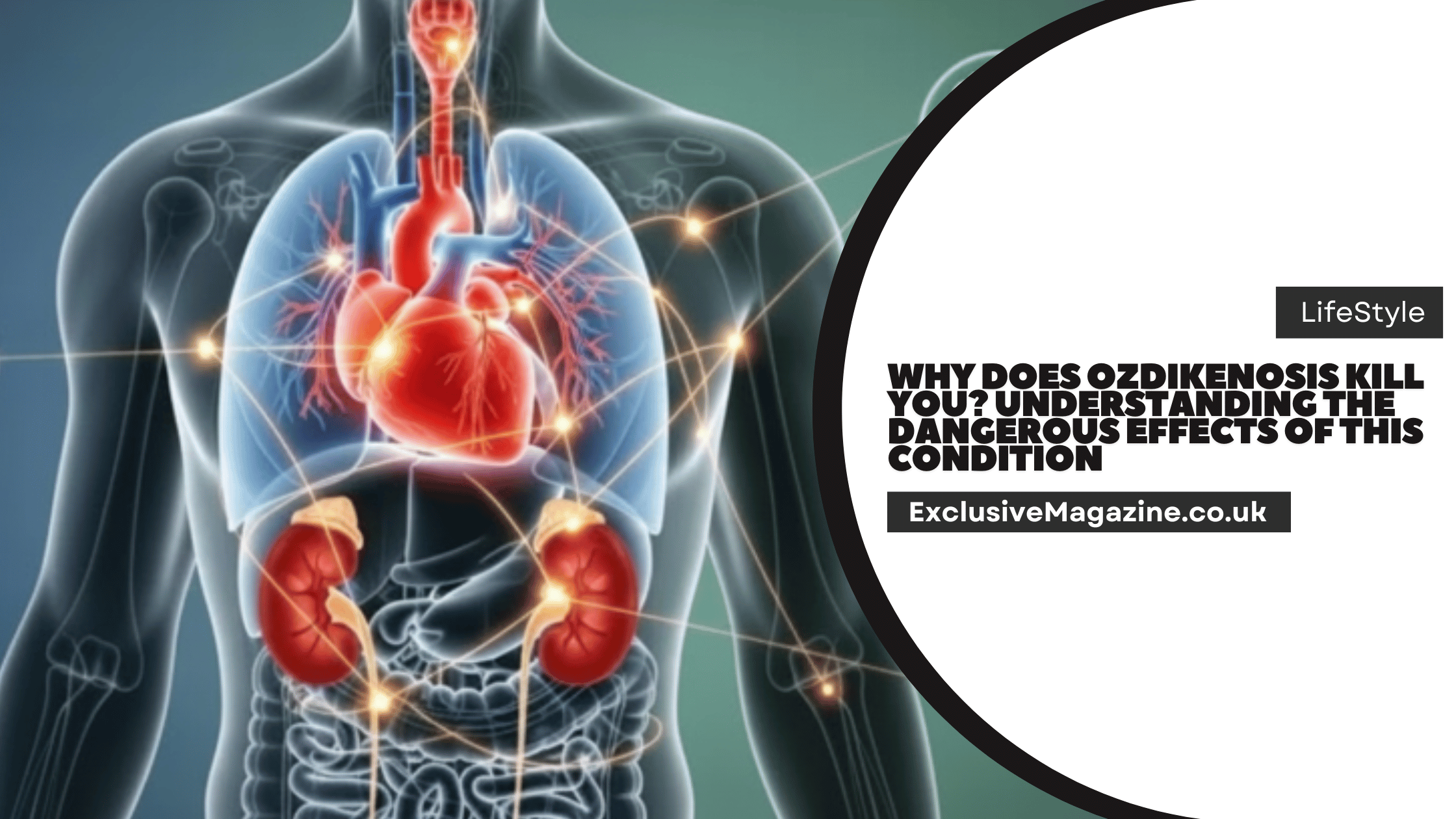

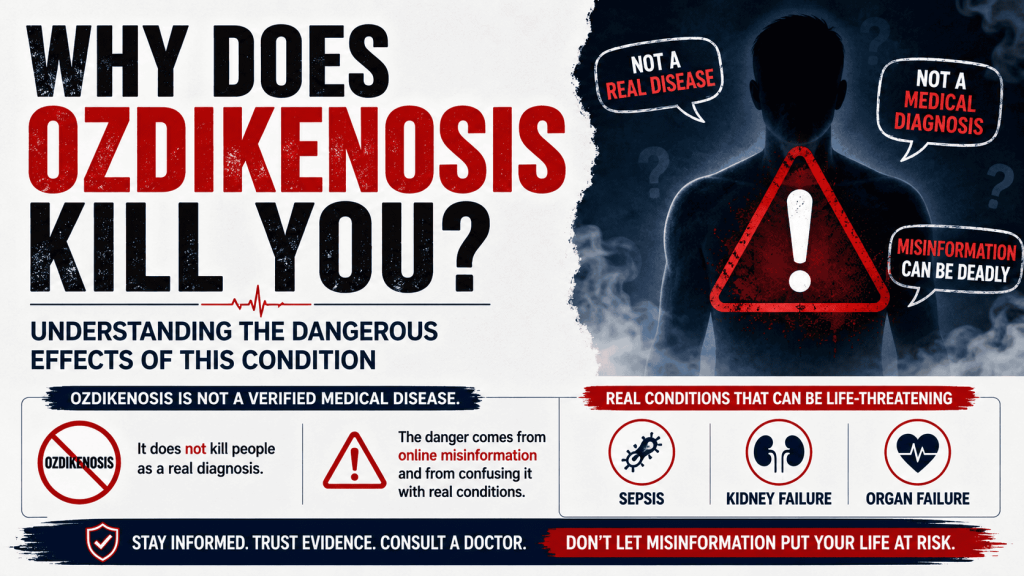
Ozdikenosis is not a verified medical disease, so it does not kill people as a real diagnosis. The danger comes from online misinformation and from confusing it with real conditions such as sepsis, organ failure, or kidney failure.
What Ozdikenosis Really Means
Some web pages describe ozdikenosis as a fictional or invented term, but trusted medical sources do not list it as a recognized disease. The medical sources I checked instead explain real conditions that can damage organs and become life threatening, especially sepsis, septic shock, and multiple organ dysfunction syndrome.
Why The Term Sounds So Dangerous
A made up medical term can sound serious because it looks scientific. That often leads people to assume it refers to a hidden or rare illness. In reality, danger comes from the actual symptoms behind the claim, not from the name itself. A person can still be very sick, but the correct medical cause must be identified before treatment can begin.
What Really Kills In Serious Illness
Real death happens when vital organs stop working well enough to support the body. The heart may not pump enough blood, the lungs may not give enough oxygen, the kidneys may fail to remove waste, or the brain may not work normally. When more than one organ fails, the risk becomes much higher.
How Sepsis Becomes Deadly
Sepsis is one of the clearest examples of a condition that can turn fatal fast. It is the body’s extreme response to infection. Instead of fighting only the infection, the immune system starts damaging healthy tissue and organs. Without quick treatment, sepsis can lead to tissue damage, organ failure, and death.
Why Septic Shock Is Even More Severe
Septic shock is a later and more severe stage of sepsis. Blood pressure can fall, circulation can fail, and organs can lose the oxygen they need. Cleveland Clinic notes that sepsis can progress to septic shock, which can lead to multiple organ failure and death. That is the kind of process people often describe in dramatic, incorrect posts about made up diseases.
How Multiple Organ Failure Happens
Multiple organ dysfunction syndrome, also called MODS, means more than one organ is failing at the same time. Cleveland Clinic lists sepsis, traumatic injury, and pancreatitis among the common causes. Once several organs are affected, the body struggles to keep normal blood flow, oxygen levels, and waste removal going. That is why the condition becomes so dangerous so quickly.
How Kidney Failure Raises The Risk
Kidney failure is another serious pathway that can become life threatening. The kidneys remove waste and extra fluid from the body. When they stop working well, waste can build up, fluid can collect in the lungs, and the body can lose chemical balance. MedlinePlus and Mayo Clinic list symptoms such as shortness of breath, nausea, weakness, swelling, and changes in urination.
Signs That Need Urgent Medical Care
Symptoms that demand urgent care include confusion, trouble breathing, chest pain, severe weakness, low urine output, fever, and a fast or severe worsening of illness. In sepsis, warning signs can include extreme illness after an infection, mental changes, and signs of organ trouble. These are emergency symptoms, no matter what label someone uses online.
Why Online Claims About Ozdikenosis Spread So Fast
Made up health terms spread easily because they sound rare and mysterious. They often appear in short posts, search bait articles, and social media threads. That can make people think the term is real even when medical references do not support it. The safest approach is to check trusted health sources and focus on the actual symptoms and diagnosis.
Some online discussions also mention similar misleading health terms like Incestflox, which is another example of how unverified conditions spread quickly on the internet without any medical proof.
How Doctors Confirm The Real Cause
Doctors do not treat a made up label. They look for the real problem through a physical exam, blood tests, urine tests, imaging, and other tests based on the symptoms. For example, if a patient has infection symptoms and organ stress, doctors may check for sepsis. If kidney signs are present, they may check for kidney injury or kidney disease. The diagnosis guides the treatment.
What Treatment Depends On
Treatment depends on the real condition, not the viral name. Sepsis often needs urgent antibiotics, fluids, and close hospital care. Organ failure may need intensive care, oxygen support, blood pressure support, or dialysis for kidney failure. The goal is to stop the cause early before the organs are damaged beyond recovery.
Why The Name Alone Is Not The Problem
The name ozdikenosis is not what causes harm. Harm comes from delay, confusion, and missed treatment for the real illness. A person who waits because they are trying to confirm an internet term can lose valuable time. In serious conditions like sepsis, that delay can matter a lot.
What People Should Focus On Instead
The right question is not whether ozdikenosis kills you. The right question is what symptoms are happening right now. Fever, confusion, breathing trouble, chest pain, very low urine output, severe weakness, and sudden worsening after infection all need prompt medical attention. Reliable medical sources consistently treat these signs as urgent.
False or unclear scientific terms are not limited to health topics. For example, Dyxrozunon in Cosmetics Fire is another widely discussed phrase online that shows how misinformation can spread in both medical and cosmetic safety topics.


