


Travel photography has evolved dramatically over the past decade. What once required expensive equipment and years of technical training is now accessible to anyone with curiosity and a willingness to experiment. The democratization of imaging technology means that travelers today can document their journeys with remarkable quality, whether they’re hiking remote mountain trails, exploring bustling city streets, or capturing candid moments with locals in unfamiliar places.
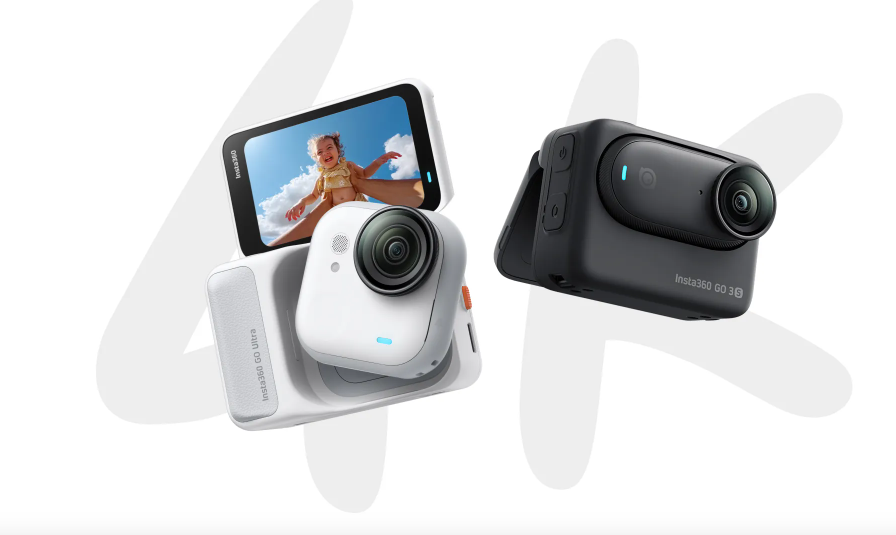
The shift toward portable, intelligent cameras has transformed how people approach travel documentation. Rather than choosing between image quality and convenience, modern travelers can now have both. Options like a compact camera offer the flexibility to capture professional-looking content without the burden of heavy gear, allowing photographers to focus on the experience itself rather than wrestling with equipment. This balance between capability and portability has opened travel photography to a broader audience than ever before.
Understanding Your Photography Goals
Before selecting any camera or gear, it’s worth clarifying what you actually want to capture during your travels. Are you documenting landscapes and architecture? Photographing people and cultural moments? Recording video for social media or personal archives? Your primary goals will shape every decision that follows.
Different travel scenarios demand different approaches. A photographer documenting a multi-week backpacking expedition through Southeast Asia faces different constraints than someone taking a weekend city break in Europe. Weight, battery life, weather resistance, and the ability to capture both stills and video all become considerations when you’re away from home and can’t easily replace or repair equipment.
The Weight Question: Why Portability Matters
One of the most underestimated factors in travel photography is the physical burden of your gear. Carrying heavy equipment through airports, up staircases in historic buildings, or across uneven terrain takes a toll. Photographers often discover that their most-used camera during travel is the one they actually have with them, not necessarily the one with the most advanced specifications.
Lighter gear encourages more shooting. When your equipment doesn’t feel like a burden, you’re more likely to bring it everywhere, experiment with different angles, and capture spontaneous moments that might otherwise be missed. The best camera for travel is frequently the one that balances quality with weight in a way that fits your personal tolerance for carrying gear.
Video Capabilities: Beyond Still Photography
Travel documentation has increasingly shifted toward video. Social media platforms prioritize video content, and many travelers want to capture not just images but the movement, sound, and atmosphere of places they visit. A camera that handles both stills and video well eliminates the need to carry multiple devices.
Modern travel cameras often include stabilization features that were once reserved for professional equipment. This means smoother footage even when walking or moving through crowds, which significantly improves the watchability of travel videos. The ability to capture steady, high-quality video without additional stabilization gear represents a major convenience factor for contemporary travelers.
Practical Considerations for Different Travel Styles
Adventure travel, cultural tourism, and luxury travel each present distinct photography challenges. Someone climbing mountains needs weather-sealed equipment and reliable battery performance in cold conditions. A cultural photographer might prioritize low-light performance for capturing moments inside temples or markets. A luxury traveler might value compact size and aesthetic design as much as technical specifications.
Your travel style should inform your equipment choices. Consider the climates you’ll encounter, the lighting conditions you’ll face, and the types of moments you want to preserve. A camera that excels in bright daylight might struggle in dimly lit interiors. Equipment that performs beautifully in temperate climates might falter in extreme heat or cold. Matching your gear to your actual travel patterns ensures you’ll get the results you want when it matters most.
Building a Sustainable Travel Photography Practice
Sustainable travel photography means selecting equipment you’ll actually use and maintain over time. This involves thinking beyond the initial purchase to consider battery availability, software updates, and the learning curve required to operate your camera effectively.
Simpler cameras often produce better results for casual travelers than complex systems with numerous settings and modes. The time spent learning your equipment is time not spent enjoying your surroundings or capturing moments. A camera with intuitive controls and sensible defaults allows you to focus on composition and timing rather than technical adjustments.
Conclusion
Travel photography doesn’t require expensive or complicated equipment. The most important elements remain unchanged from the early days of photography: an eye for composition, an understanding of light, and the willingness to experiment. Modern cameras have simply made it easier to translate your creative vision into actual photographs.
The convergence of portability, image quality, and intelligent features means that today’s travelers have unprecedented freedom in how they document their journeys. Whether you’re a seasoned photographer or someone picking up a camera for the first time, the tools available now make it possible to capture travel moments that are both technically sound and personally meaningful. The key is selecting equipment that matches your specific needs and travel style, then focusing your energy on the creative aspects of photography rather than the technical complexity of your gear.


