
Montenegro is quickly becoming one of Europe’s most exciting destinations. This small Balkan country offers beautiful coastlines, mountain landscapes, historic towns, luxury resorts, and growing business opportunities. Over the last few years, the government and private sector have invested heavily in roads, airports, ports, and tourism projects. These improvements are changing the country and attracting attention from both travellers and investors.
Today, Montenegro transport infrastructure for tourists and investors is creating new opportunities across the country. Better transport links are helping visitors travel more easily between coastal resorts, mountain towns, and business centres. At the same time, improved infrastructure is increasing property development, tourism investment, and international trade.
For tourists, Montenegro now offers smoother travel experiences, faster road access, upgraded airports, and luxury marina facilities. For investors, the country provides strong growth potential in tourism, real estate, hospitality, transport services, and infrastructure projects.
This article explores how Montenegro transport infrastructure for tourists and investors is developing and why it has become an important topic for businesses, travellers, and international investors.
Why Montenegro Is Gaining Global Attention
Montenegro may be small in size, but it has a strategic location on the Adriatic coast. It sits between Croatia, Serbia, Albania, and Bosnia and Herzegovina. This makes it an important gateway for tourism and trade in Southeast Europe.
The country has become popular for several reasons:
- Stunning natural beauty
- Growing tourism industry
- Investor-friendly policies
- Luxury coastal developments
- Increasing international flights
- Expanding transport infrastructure
Tourism is one of Montenegro’s biggest industries. Millions of visitors travel there each year to enjoy beaches, mountains, historic towns, and luxury experiences. Because tourism is growing quickly, the country continues investing in roads, airports, ports, and public transport systems.
Modern Road Networks Improving Travel Across Montenegro
Road infrastructure plays a major role in Montenegro’s development. In the past, travel between cities could be slow due to narrow mountain roads. Today, major road projects are improving travel times and making journeys safer.
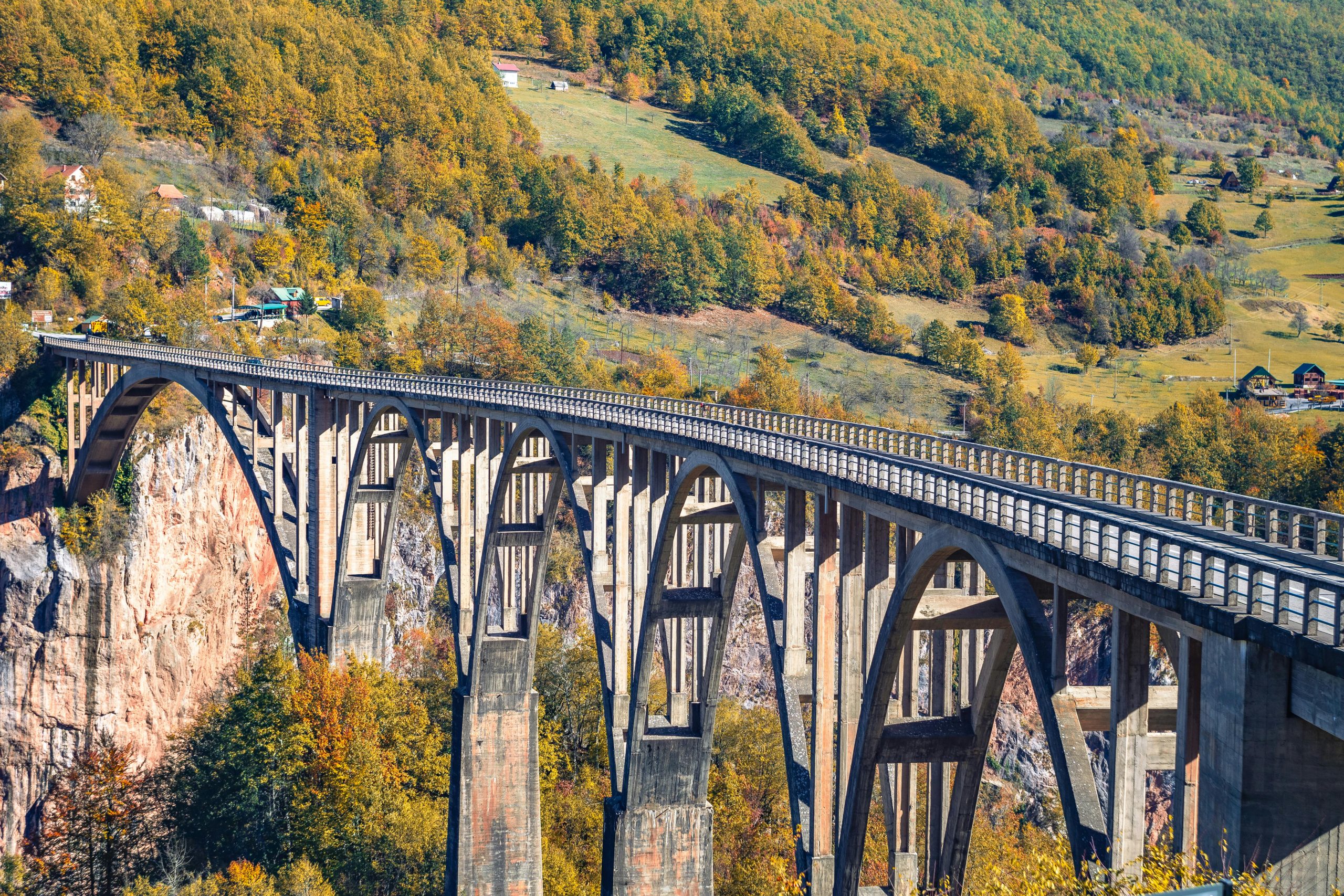
The government has invested in motorways and regional roads to improve connections between the coast and inland areas. One of the most important projects is the Bar-Boljare motorway. This route is expected to improve trade links with neighbouring countries and support tourism growth.
For tourists, better roads mean:
- Easier access to coastal resorts
- Faster travel to ski resorts
- Safer driving conditions
- Better travel experiences between cities
For investors, modern roads help:
- Tourism expansion
- Real estate development
- Logistics and trade
- Business growth in remote regions
The improvement of road systems is one of the strongest examples of how Montenegro transport infrastructure for tourists and investors supports long-term growth.
Airports Supporting Tourism Growth
Air travel is extremely important for Montenegro because international tourism is growing rapidly. The country has two major airports:
- Podgorica Airport
- Tivat Airport
Both airports connect Montenegro with many European cities during the busy tourist season.
Tivat Airport is especially important because it serves the Adriatic coast and luxury tourism areas. Many international visitors arrive there to visit places such as Kotor, Budva, and Porto Montenegro.
Airport upgrades are helping Montenegro handle more visitors every year. Improved terminals, better services, and increased airline connections are supporting tourism growth.
This creates several advantages for investors:
- Rising hotel demand
- Growing holiday rental markets
- Increased tourism spending
- New business opportunities near airports
Tourists also benefit from shorter travel times and easier international access.
The Growing Importance of Porto Montenegro
One of the best examples of luxury infrastructure development is Porto Montenegro. Located in Tivat, this world-class marina and waterfront development has transformed the local tourism industry.
Porto Montenegro is far more than a marina. It includes:
- Luxury apartments
- Hotels
- Restaurants
- Designer shops
- Yacht facilities
- Business spaces
- Entertainment venues
The project has helped position Montenegro as a luxury Mediterranean destination. Wealthy tourists and yacht owners from around the world now visit the country regularly.
Porto Montenegro also shows how infrastructure investment can completely change a region. The development has increased tourism, created jobs, boosted property values, and attracted foreign investment.
For investors, Porto Montenegro demonstrates the strong potential of premium tourism infrastructure. It has encouraged further developments along the Adriatic coast and improved Montenegro’s global image.
Rail Infrastructure and Future Opportunities
Montenegro’s railway network may not be as large as those in bigger European countries, but it still plays an important role. The railway connecting Bar and Belgrade is especially important for regional transport and tourism.
The Bar railway route is known for its beautiful mountain scenery. Many travellers enjoy the journey because it passes through tunnels, bridges, and dramatic landscapes.
Rail improvements could create several future opportunities:
- Eco-friendly tourism
- Regional trade growth
- Better public transport
- More tourism packages
Investors are also interested in sustainable transport options. Railway modernisation could attract funding from European organisations and support long-term economic development.
Seaports and Maritime Infrastructure
Montenegro’s Adriatic coastline makes maritime infrastructure highly important. Ports support tourism, trade, and yacht travel.
The Port of Bar is Montenegro’s main commercial seaport. It handles cargo transport and regional trade activities. Improved port infrastructure helps businesses move goods more efficiently across Europe and nearby markets.
Maritime tourism is also growing rapidly. Luxury yachts, cruise ships, and sailing tourism continue increasing every year.
This growth supports:
- Hotel businesses
- Restaurants
- Property development
- Marine services
- Tourism jobs
Luxury marina projects such as Porto Montenegro have helped Montenegro become more competitive in Mediterranean tourism.
Tourism Infrastructure Beyond Transport
Transport infrastructure is closely linked with tourism development. Better roads, airports, and ports encourage more hotel projects, resorts, and entertainment facilities.
Montenegro has seen major tourism investments in:
- Budva
- Kotor
- Tivat
- Herceg Novi
- Podgorica
- Mountain resort regions
Luxury tourism continues expanding. New hotels, private villas, wellness resorts, and waterfront developments are appearing across the country.
Tourists now expect smooth transport systems alongside high-quality accommodation. Investors understand this connection and continue supporting projects that improve both tourism and infrastructure.
This combination makes Montenegro transport infrastructure for tourists and investors one of the country’s strongest economic advantages.
Sustainable Infrastructure Development
Sustainability is becoming increasingly important in Montenegro. The country’s natural beauty is one of its greatest tourism assets. Protecting the environment while improving infrastructure is now a major priority.
New projects are focusing on:
- Eco-friendly transport
- Cleaner energy systems
- Sustainable tourism
- Reduced environmental impact
- Green building standards
Electric vehicle infrastructure is also growing slowly across the country. Some tourism resorts and urban areas now include charging stations and environmentally friendly transport services.
Sustainable development creates long-term benefits for both tourists and investors. Visitors enjoy cleaner destinations, while businesses gain stronger long-term investment security.
Real Estate Growth Linked to Infrastructure
Infrastructure growth often increases property demand, and Montenegro is no exception. Improved roads, airports, and marina developments have boosted real estate markets in many areas.
Investors are especially interested in:
- Coastal apartments
- Luxury villas
- Holiday homes
- Commercial property
- Hotel developments
Locations near transport hubs usually experience stronger growth. Areas connected to airports, marinas, or motorway projects often attract more international buyers.
Porto Montenegro is a strong example of this trend. Property values in nearby areas increased significantly after the marina development gained international attention.
Montenegro’s Strategic Position in Europe
Montenegro’s location gives it strong long-term potential. The country acts as a bridge between Central Europe and the Adriatic coast.
Its position supports:
- Regional tourism
- International trade
- Maritime transport
- Cross-border business
Many investors see Montenegro as an emerging market with future growth opportunities. Infrastructure development strengthens this position by improving regional connections.
The country is also moving closer towards European integration, which may support future infrastructure funding and economic cooperation.
Because of these advantages, Montenegro transport infrastructure for tourists and investors remains highly attractive to global businesses.
Challenges Facing Infrastructure Development
Despite strong progress, Montenegro still faces several infrastructure challenges.
These include:
- Mountain geography
- Seasonal tourism pressure
- High project costs
- Environmental concerns
- Traffic congestion during summer
Infrastructure expansion in mountainous regions can be expensive and technically difficult. Coastal traffic also increases heavily during the tourist season.
However, continued investment and international partnerships are helping Montenegro address these issues.
Many experts believe the country’s long-term tourism and investment growth will continue as infrastructure improves further.
Why Tourists Benefit from Better Infrastructure
Tourists often focus on attractions, beaches, and hotels. However, transport systems play a major role in the overall travel experience.
Improved infrastructure provides tourists with:
- Faster airport transfers
- Easier road journeys
- Better safety
- More travel options
- Improved comfort
- Access to hidden destinations
Visitors can now explore coastal towns, mountain regions, and national parks more easily than before.
Luxury tourism has also improved significantly because of marina developments, better roads, and high-end tourism facilities.
Investment Opportunities in Montenegro
Montenegro offers many infrastructure-related investment opportunities.
These include:
Tourism and Hospitality
Hotels, resorts, restaurants, and holiday rentals continue growing due to rising tourist numbers.
Marina and Coastal Developments
Luxury marina projects remain highly attractive to wealthy international travellers.
Real Estate
Property demand continues increasing in key tourism regions.
Transport Services
Airport transfers, logistics, tourism transport, and car rental businesses are expanding.
Infrastructure Construction
Roads, energy systems, ports, and public transport projects continue requiring investment.
Many investors are attracted by Montenegro’s growth potential and relatively small but expanding market.
Digital Infrastructure Supporting Modern Tourism
Modern tourism depends heavily on digital infrastructure. Montenegro has improved internet connectivity, mobile networks, and online services in recent years.
Tourists now expect:
- Reliable Wi-Fi
- Online booking systems
- Digital payments
- Navigation apps
- Smart tourism services
Digital improvements also support business operations and investment opportunities.
As Montenegro modernises further, digital development becomes another important part of Montenegro transport infrastructure for tourists and investors.
The Future of Montenegro’s Infrastructure
The future looks positive for Montenegro. The country continues attracting attention from travellers, investors, and developers.
Future priorities may include:
- More motorway expansion
- Airport modernisation
- Sustainable transport systems
- Green tourism projects
- Railway upgrades
- Smart city development
International partnerships and private investment are likely to remain important for future growth.
Tourism demand also continues increasing, especially in luxury travel markets. This supports ongoing infrastructure expansion across the country.
Conclusion
Montenegro is becoming one of the Adriatic region’s most exciting destinations for tourism and investment. Beautiful scenery, luxury developments, and improving transport systems are transforming the country’s economy.
Better roads, airports, railways, seaports, and marina projects are making travel easier while creating strong business opportunities. Developments such as Porto Montenegro show how world-class infrastructure can attract international attention and boost economic growth.
For tourists, improved transport systems mean better travel experiences, easier access, and greater comfort. For investors, they create opportunities in tourism, property, logistics, hospitality, and infrastructure development.