

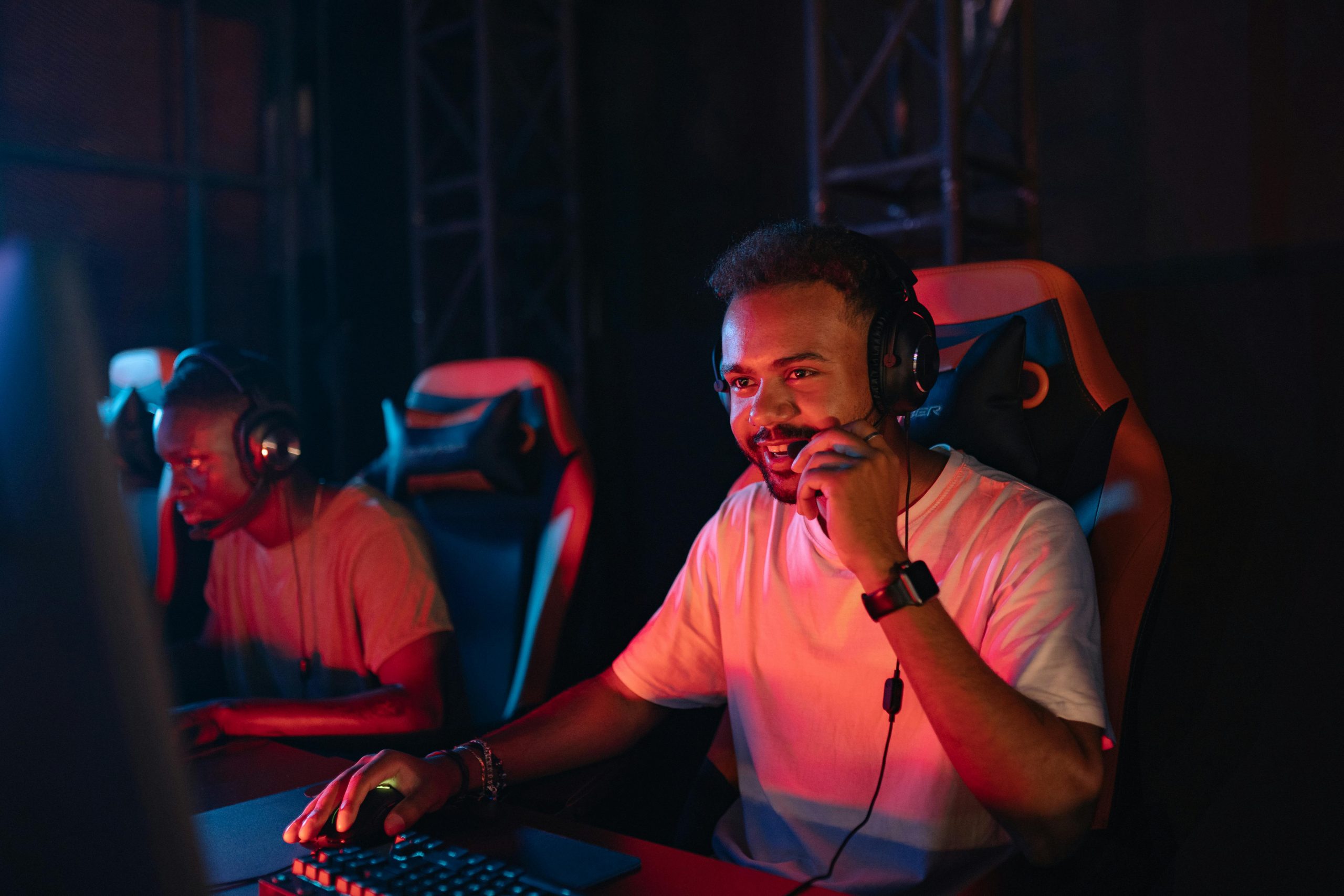

In the dynamic arena of multiplayer gaming, having a quality gaming microphone has become indispensable for immersive experiences and effective communication. As virtual worlds grow in complexity and multiplayer interactions become pivotal, the role of a high-quality microphone extends beyond mere audio transmission, enabling seamless teamwork and enhancing the overall gaming experience.
The Shift from Passive to Active Participation
The evolution of microphones within the gaming industry marks a shift from simple accessories to vital components of a gamer’s arsenal. Originally, microphones were overlooked, with emphasis placed more on graphics and processing power. However, as the gaming landscape expanded with the rise of e-sports and multiplayer games, the demand for superior communication tools became undeniable.
Professional-grade microphones offer clarity, reducing background noise and ensuring that players can communicate with precision. This transition reflects a broader trend across the gaming sector moving from passive, single-player experiences to active, interactive worlds where clear communication can make the difference between victory and defeat.
Key Features Defining Modern Gaming Microphones
Modern gaming microphones are not merely about sound capture. They incorporate a variety of features designed to enhance the gaming experience:
– Noise Cancellation: With today’s busy lifestyles, ensuring one’s voice is heard without disruptive background noise is essential. Advanced noise-cancelling technology minimises unwanted sounds, allowing clearer in-game communication.
– Directional Pickup Patterns: Condenser microphones used in gaming often offer cardioid pickup patterns, focusing on the user’s voice and suppressing ambient noise from other directions. Some models also provide multiple options, including omnidirectional and bidirectional, catering to varying needs.
– Built-in Pop Filters: Plosive sounds can distort audio quality, making built-in pop filters a crucial component. They help maintain audio clarity during intense gaming sessions.
– RGB Lighting: Personalisation is a hallmark of gaming setups, and the inclusion of RGB lighting in microphones allows for aesthetic synchronisation with other gaming peripherals.
The Integration of AI in Audio Processing
The inclusion of Artificial Intelligence (AI) in microphone technology has been a recent yet groundbreaking development. AI algorithms can enhance audio quality by automatically adjusting settings to compensate for excessive noise or echoes. This capability ensures an optimal voice output regardless of the surrounding environment, which is particularly beneficial during tournament-level gameplay where feedback may affect performance.
AI-driven technologies can also streamline voice modulation, providing gamers with the ability to adjust their voice output on the fly, which is not only a fun feature but can also bring strategic advantages during gameplay.
Microphone Placement and Its Impact
Interestingly, the placement of a microphone can also affect its performance. Desk-mounted microphones are popular for their ability to capture a broad range of frequencies. In contrast, headset mics offer convenience without occupying additional space but may lack the sensitivity of larger setups. For gamers who prioritise audio quality, investing in a dedicated desk mic with a shock mount can significantly enhance communicative clarity.
Influence of Streamers and Content Creators
Streamers and content creators have played a significant role in the rising popularity of gaming microphones. As these individuals aim for high-quality broadcasts, the demand for superior audio technology has influenced the designs and capabilities of consumer microphones. Viewers expect not only high-definition visuals but also crisp and clear audio that enriches the streaming experience.
Leading companies have responded to this demand by creating microphones specifically designed with content creators in mind, integrating features such as on-mic volume controls, real-time monitoring, and versatile compatibility with streaming software.
The Role of Design in Microphone Selection
Design has emerged as a critical factor in the selection of gaming microphones. Gamers often seek peripherals that align aesthetically with their gaming rigs, combining functionality with visual appeal. The sleek, modern designs seen today are a direct result of consumer demand for microphones that not only perform well but also contribute positively to the overall look of their gaming setups.
Ergonomics plays a role too. Microphones with adjustable stands or mounts ensure that the device can be positioned optimally for sound capture while reducing physical strain during extended use.
Technological Advancements and Future Trends
The future of gaming microphones is poised for continual evolution. We can expect further integration of wireless technologies as latency issues are resolved, providing gamers with more freedom of movement. Ultra-low latency wireless microphones could become commonplace, aligning with the preference for untethered and unobtrusive equipment.
Moreover, the future may bring further innovations in voice recognition and command functionality. As voice commands grow more sophisticated, microphones will likely include more robust features for recognising and executing complex in-game instructions, enhancing the user interface beyond traditional controller or keyboard inputs.
In addition, sustainability is predicted to become a priority, with manufacturers adopting eco-friendly materials and energy-efficient technologies. As the global conversation about climate change intensifies, consumers are likely to favour brands that demonstrate environmental responsibility.
The landscape is also ripe for the development of smart microphones equipped with self-learning capabilities, which could adapt to the user’s voice over time, ensuring consistent clarity and precision in capturing audio nuances tailored to individual play styles.
By acknowledging the growing interdependence between software and hardware enhancements, gaming microphones will continue to evolve, supporting the expanding universe of digital interaction while maintaining a focus on user-centric design and functionality.


