
Fashion is becoming increasingly personal. As consumers move away from short-lived trends and mass-produced collections, there has been a noticeable shift towards wardrobes that feel more expressive, individual, and enduring. Rather than dressing to mirror seasonal aesthetics, many style-conscious shoppers are now seeking pieces that communicate personality through shape, texture, and craftsmanship.
This growing appreciation for artistic dressing has helped redefine what everyday style looks like. Contemporary fashion is no longer reserved solely for gallery openings or runway-inspired editorials. Instead, bold silhouettes, layered fabrics, and architectural tailoring are becoming integrated into modern daily wardrobes in ways that feel both wearable and elevated.
Why Contemporary Fashion is Embracing Artistic Design
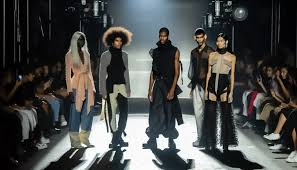
The modern luxury consumer is increasingly drawn to fashion that feels distinctive rather than predictable. Minimal fast-fashion basics are being replaced by garments that prioritise construction, movement, and individuality. Designers are experimenting with oversized silhouettes, asymmetric cuts, distressed textures, and monochromatic palettes to create collections that feel expressive without appearing theatrical.
This movement towards artistic dressing reflects a broader cultural desire for authenticity. People are becoming more intentional about what they wear and how those choices represent them. Clothing is no longer viewed simply as functional or trend-led. Instead, it has become an extension of identity.
Many contemporary collections also focus heavily on craftsmanship and fabric quality, creating garments designed to evolve with the wearer over time. Pieces that once may have been considered unconventional are now appreciated for their versatility and timeless appeal. This is especially evident in the growing interest surrounding Rundholz women’s clothing, where layered styling, relaxed tailoring, and understated drama combine to create fashion that feels both artistic and wearable.
The Rise of Effortless Luxury in Everyday Wardrobes
Luxury fashion has become considerably more relaxed in recent years. Structured formalwear has gradually given way to softer silhouettes, fluid fabrics, and comfortable layering that prioritises ease without sacrificing sophistication. This evolution has made premium fashion far more adaptable to everyday life.
Modern wardrobes are increasingly built around pieces that can transition effortlessly between settings. Oversized linen shirts, sculptural knitwear, cropped jackets, and wide-leg trousers now sit comfortably alongside trainers, boots, and understated accessories. The result is a style approach that feels polished but never overworked.
Neutral tones also continue to dominate contemporary luxury fashion because they allow texture and shape to take centre stage. Charcoal, stone, black, cream, and muted earthy shades create a cohesive wardrobe foundation while still allowing statement garments to stand out naturally.
This understated approach to dressing appeals to consumers who want their clothing to feel elevated without appearing overly curated. Effortless luxury is less about obvious branding and more about confidence in styling, quality fabrics, and thoughtful design.
Building a Wardrobe Around Statement Pieces
One of the defining features of avant-garde fashion is the use of statement garments that anchor an outfit. These pieces often feature exaggerated proportions, unexpected tailoring, or distinctive detailing that immediately draws attention while remaining refined.
The key to styling bold garments successfully lies in balance. A sculptural coat paired with slim trousers creates structure without overwhelming the silhouette. Similarly, textured knitwear can be softened with clean, minimalist separates to maintain harmony within an outfit.
Layering also plays an important role in contemporary styling. Combining varying lengths, fabrics, and proportions creates visual depth while allowing outfits to feel more personalised. Longline shirts beneath cropped jackets, oversized knitwear over flowing dresses, or structured outerwear paired with relaxed tailoring all contribute to a wardrobe that feels considered yet effortless.
Accessories tend to remain intentionally understated within this aesthetic. Simple leather boots, understated jewellery, and neutral bags allow statement garments to remain the focal point without creating unnecessary visual noise.
Rather than building wardrobes around trends, many fashion-conscious consumers are now investing in fewer but more impactful pieces that can be styled repeatedly in different ways throughout the year.
Fashion Confidence Through Personal Style
Perhaps the most significant aspect of avant-garde fashion is its emphasis on self-expression. Personal style has become increasingly important in an era where social media trends move rapidly and individuality can often feel diluted by algorithm-driven aesthetics.
Contemporary artistic fashion encourages wearers to embrace clothing that resonates with them personally rather than simply following what is currently popular. This shift has created a more confident and liberated approach to dressing where comfort, creativity, and authenticity coexist.
Fashion confidence often comes from understanding what feels natural rather than what feels expected. For some, this may mean embracing oversized silhouettes and layered monochrome styling. For others, it may involve introducing subtle statement pieces into an otherwise minimalist wardrobe.
The appeal of avant-garde fashion lies in its ability to feel expressive without requiring excessive effort. It allows individuals to experiment with proportion, texture, and structure while still maintaining a sense of ease and sophistication.
Artistic contemporary fashion continues to reshape the way modern wardrobes are built. As consumers move further away from disposable trends, there is growing appreciation for clothing that feels timeless, expressive, and thoughtfully designed.
Avant-garde styling no longer exists purely within niche fashion spaces. Its influence can now be seen throughout everyday dressing, where relaxed luxury, statement silhouettes, and personal expression are becoming central to modern style. By embracing individuality over trend-following, fashion is evolving into something far more authentic, wearable, and enduring.