


Figuring out your path before heading to Everest Base Camp really matters when it comes to staying safe and getting the most from your mountain trip. Searches such as “Everest Base Camp itinerary 12 days plan” and “best trekking schedule Nepal Himalayas” keep growing, showing more people want clear plans they can follow. Yet what those schedules offer must fit real needs – adjusting slowly to height, handling sudden weather shifts, moving across rough ground. Each stage of walking has its own pace; rushing brings risk while going too slow might disrupt the flow.
Since snow may block paths or wind delays progress, flexibility hides inside every fixed timetable. Travelers learn quickly: even solid plans bend when mountains decide otherwise. Still, having a daily outline helps avoid confusion once boots hit the trailheads near Lukla. So preparation means matching personal limits with route demands without ignoring nature’s unpredictability.
Why a steady trek pace matters
Most people look up terms like “Everest Base Camp acclimatization itinerary Nepal trek” when they plan a trip through high mountains. Starting slow helps your body adjust, which cuts down on health problems later. Instead of pushing fast upward, better plans build in extra time at certain heights so breathing stays easier. Searches also include phrases such as “safe trekking schedule Himalayas planning,” showing how much care goes into timing. Each day should move just far enough without draining energy – too much, too soon brings headaches or worse. Rest breaks spread throughout the journey keep strength steady. When paths climb quickly, dangers grow even if the views seem worth it. Long-term comfort beats short bursts of progress every single time.
Start and Reach Kathmandu
Journeys often kick off in Kathmandu, Nepal’s bustling capital. Queries such as “Kathmandu Everest Base Camp trek starting point planning” or “Nepal travel itinerary trekking preparation” show how common that beginning is. Many trekkers settle into the city for one or two days just to sort out permits, go through their gear, and then get ready for the flight to Lukla. Without this step, getting on track early would be far harder.
Fly to Lukla, start trekking.
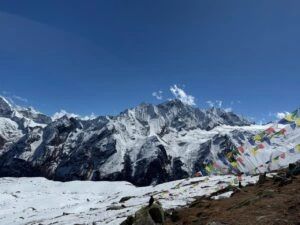
Up there, a plane touches down at Lukla – this tiny airstrip kicks off what many call the journey toward Everest. Searches often include phrases like “Lukla flight Everest Base Camp itinerary Nepal,” or “start trekking route Himalayas schedule.” After landing, boots hit trails that wind past stone homes and across swaying bridges, inching higher each day. Soon enough, the path slips into the heart of Khumbu, where prayer flags flutter between peaks.
Acclimatization: Stop at Phakding, then Namche Bazaar
Phakding comes early on the trail, then travelers reach Namche Bazaar soon after. Queries such as “Namche Bazaar acclimatization itinerary Everest trek” or “Everest Base Camp first trekking stops Nepal” show how central these spots are. High up and busy, Namche gives climbers time to adapt – most stay one full day just to let their bodies catch up before pushing further into thinner air above.
Plan rest and acclimatization days carefully.
Some trips need downtime to work well. People often look up things like “Everest Base Camp rest day schedule Nepal Himalayas” or “acclimatization plan trekking itinerary guide.” Because of higher ground, breathing gets harder – rest helps adjust. Staying put one day means blood changes slowly, safely. Places such as Namche Bazaar or Dingboche give hikers time mid-journey. The lungs learn, muscles recover when the pace slows down.
Dingboche and Steady Climb
High up, Dingboche becomes a crucial spot to let the body adapt. Queries such as “Dingboche acclimatization itinerary Everest Base Camp” or “gradual ascent Nepal trekking schedule” show how often it comes up. As altitude climbs, movement on foot grows heavier, steps drag more. Because of this, moving at the right speed matters – safety depends on it when heading upward. The rhythm set here shapes what follows.
Lobuche and Final Approach Planning
High up near the mountains, Lobuche sits as a last place to sleep before base camp. People often look online for things like “Lobuche Everest Base Camp itinerary Nepal trek” or “final stage trekking schedule Himalayas.” Cold air bites harder here, the ground feels rough underfoot – every step takes thought. Pacing matters most when the path gets tough and thin air slows you down.
Gorakshep and Everest Base Camp Visit Plan
Gorakshep sits just before the endpoint, marking where paths narrow. Queries such as “Gorakshep Everest Base Camp itinerary plan Nepal” or “final push EBC trekking route schedule” often point here. Once arrived, hikers press on toward base camp by foot during daylight hours – then head back after dusk settles in. Nights are spent again in Gorakshep, tucked away from open terrain.
Including an Optional Visit to Kala Patthar Viewpoint
Before dawn breaks, some travelers head up to Kala Patthar on foot. That spot? Famous for wide-open sights across the high peaks. People often look online using phrases like “Kala Patthar Everest Base Camp itinerary sunrise view Nepal” along with “best viewpoint Himalayas trekking schedule.” Though not required, going there brings a rare sight – Everest standing tall among neighbors, lit by early light.
Descent Plan and Return Journey Strategy
Back on the trail, a solid route wraps up with a clear way down. Queries such as “Everest Base Camp return itinerary Nepal trekking downhill” or “safe descent schedule Himalayas trek” show how people look for this part. Though going down takes less time, tired legs and stress on knees need attention. Thought put into timing helps travelers reach lower ground without harm.
Total Duration Planning for Various Trek Types
How long a trek takes depends on how fit you are and the plan chosen. People often look up things like “Everest Base Camp 12 day vs 14 day itinerary Nepal” or “fast vs slow trek planning Himalayas.” Rushed schedules feel tougher. Slower trips give more time to adjust to height, plus ease into the rhythm of walking.
Flexibility and Weather in Planning
Most treks face changes when skies turn rough. People often look up things such as “Everest Base Camp itinerary flexibility, weather delays in Nepal,” or “Lukla flight disruption trekking plan Himalayas.” A few extra days built into your trip soften the blow of sudden holdups – storms might ground planes, trails could wash out. Plans bend more easily when time isn’t tight.
Smart Everest Base Camp Itinerary
Most people start in Kathmandu, getting ready before heading into higher terrain. Moving up slowly matters – especially through places like Namche, where the body adjusts. Rest fits between long walks helps prevent problems linked to thin air. Each stop along the trail serves a quiet purpose, building toward something bigger without announcing it. Trekkers arrive from everywhere now, drawn by peaks but needing smart pacing. A plan built around rhythm – not speed – makes reaching base camp feel steady, real. Safety slips in when attention stays on the daily flow instead of distant goals. Enjoyment grows quietly when fatigue is managed, expectations held close. The whole journey sticks because it unfolds step by step, never rushed.