

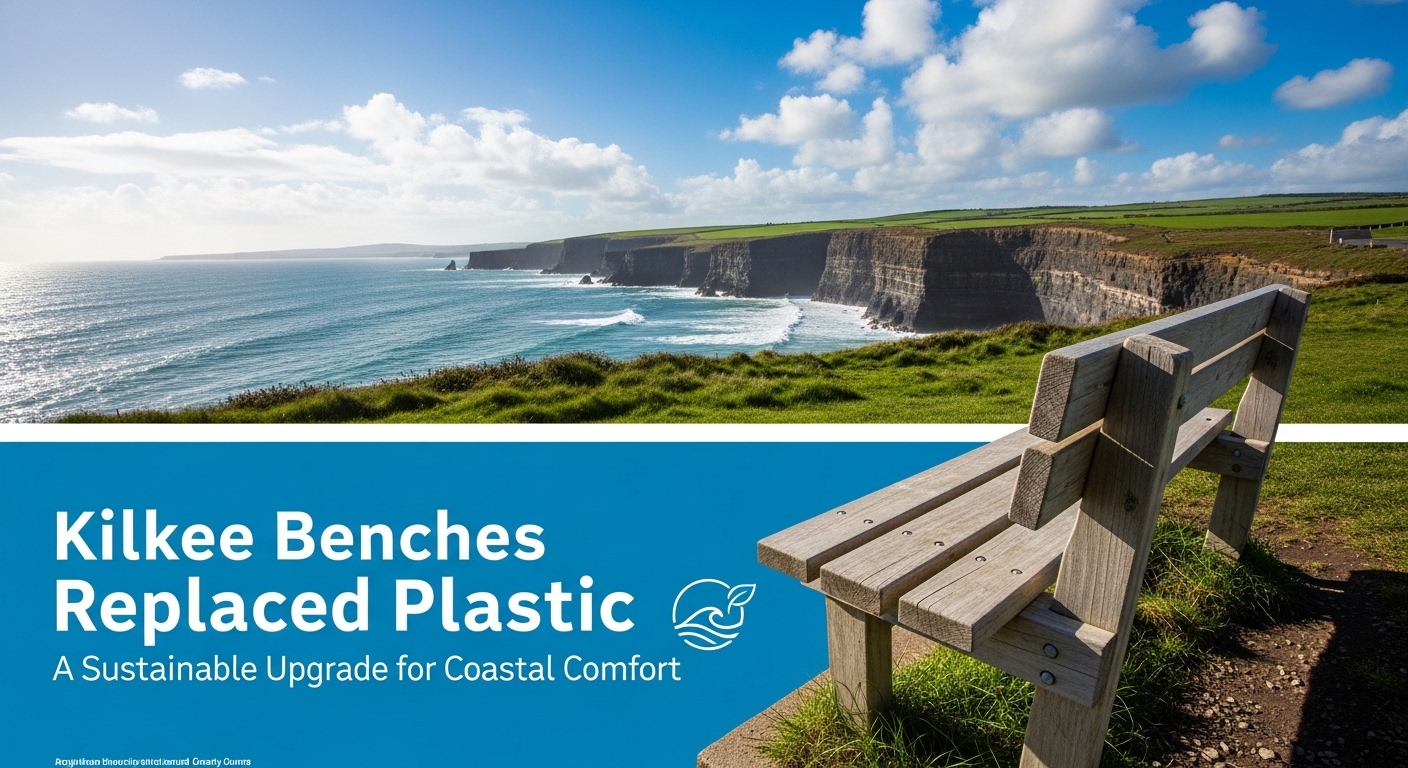

Kilkee replaced its old wooden benches with recycled plastic benches to improve safety, durability, and environmental performance. The change supports long-term coastal sustainability but also changed the visual identity of the seafront.
What Happened in Kilkee
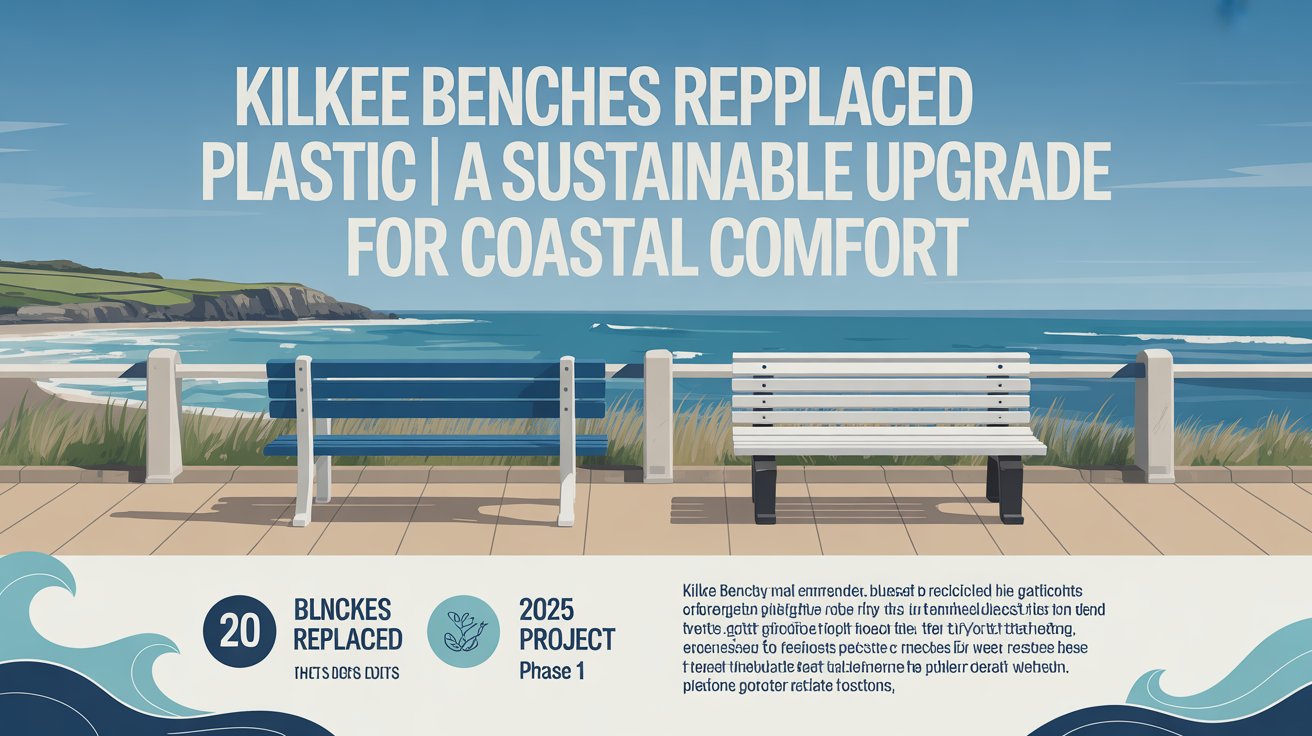
In 2025, the coastal town of Kilkee updated its public seating along the promenade. Local authorities removed many traditional blue and white wooden benches and installed new benches made from recycled plastic.
Around 20 benches were replaced during the first phase of the project.
The benches were located in key areas such as walking paths, scenic viewpoints, and public gathering spaces.
Why the Benches Were Replaced
Safety and Structural Issues
The original wooden benches showed clear signs of damage after years of exposure to coastal weather. Salt air, moisture, and strong winds caused:
- Wood rot
- Weak frames
- Surface cracks
- Reduced stability
Local authorities must ensure public safety. Damaged benches create risk for users. This made replacement necessary.
Coastal Weather Impact
Coastal towns face extreme conditions. These include:
- High salt levels in air
- Constant moisture
- Strong winds
- Temperature changes
These factors shorten the lifespan of wooden furniture. Regular repairs become costly and frequent.
Maintenance Costs
Wooden benches require:
- Painting
- Sealing
- Repairs
- Replacement of damaged parts
Recycled plastic benches reduce these needs. This lowers long-term costs for local councils.
What Are Recycled Plastic Benches
Recycled plastic benches are made from processed plastic waste. Most use high-density polyethylene materials.
Key Features
| Feature | Description |
|---|---|
| Material | Recycled plastic waste |
| Durability | Resistant to rot and corrosion |
| Maintenance | Very low |
| Lifespan | Long-term use |
| Weather Resistance | Suitable for coastal areas |
These benches are designed for public use in harsh environments.
Environmental Benefits
Reduction in Plastic Waste
Recycled benches reuse plastic that would otherwise go to landfill. This supports waste reduction goals.
Lower Resource Use
Production uses existing materials instead of new raw resources. This helps reduce environmental pressure.
Long-Term Sustainability
Because the benches last longer, fewer replacements are needed. This reduces material consumption over time.
Coastal Protection
Plastic breakdown can release microplastics into the environment. Using stable recycled materials helps limit this risk when properly managed.
Comparison: Wooden vs Recycled Plastic Benches
| Factor | Wooden Benches | Recycled Plastic Benches |
|---|---|---|
| Durability | Low in coastal areas | High |
| Maintenance | High | Low |
| Cost Over Time | Expensive | Cost-effective |
| Environmental Impact | Natural but requires upkeep | Uses recycled waste |
| Weather Resistance | Weak | Strong |
| Lifespan | Shorter | Longer |
This comparison shows why many coastal towns choose recycled materials.
Installation Process in Kilkee
The installation followed a planned approach:
- Inspection of existing benches
- Removal of unsafe units
- Proper handling of old materials
- Installation of new benches
- Placement in high-use areas
The process focused on safety and minimal disruption to public spaces.
Public Reaction and Feedback
The change received mixed responses from residents and visitors.
Positive Points
- Improved safety
- Better durability
- Reduced maintenance costs
- Support for environmental goals
Concerns Raised
- Loss of traditional design
- Change in visual appearance
- Lack of public consultation
Many residents felt the old benches were part of the town’s identity.
Importance of Public Infrastructure Design
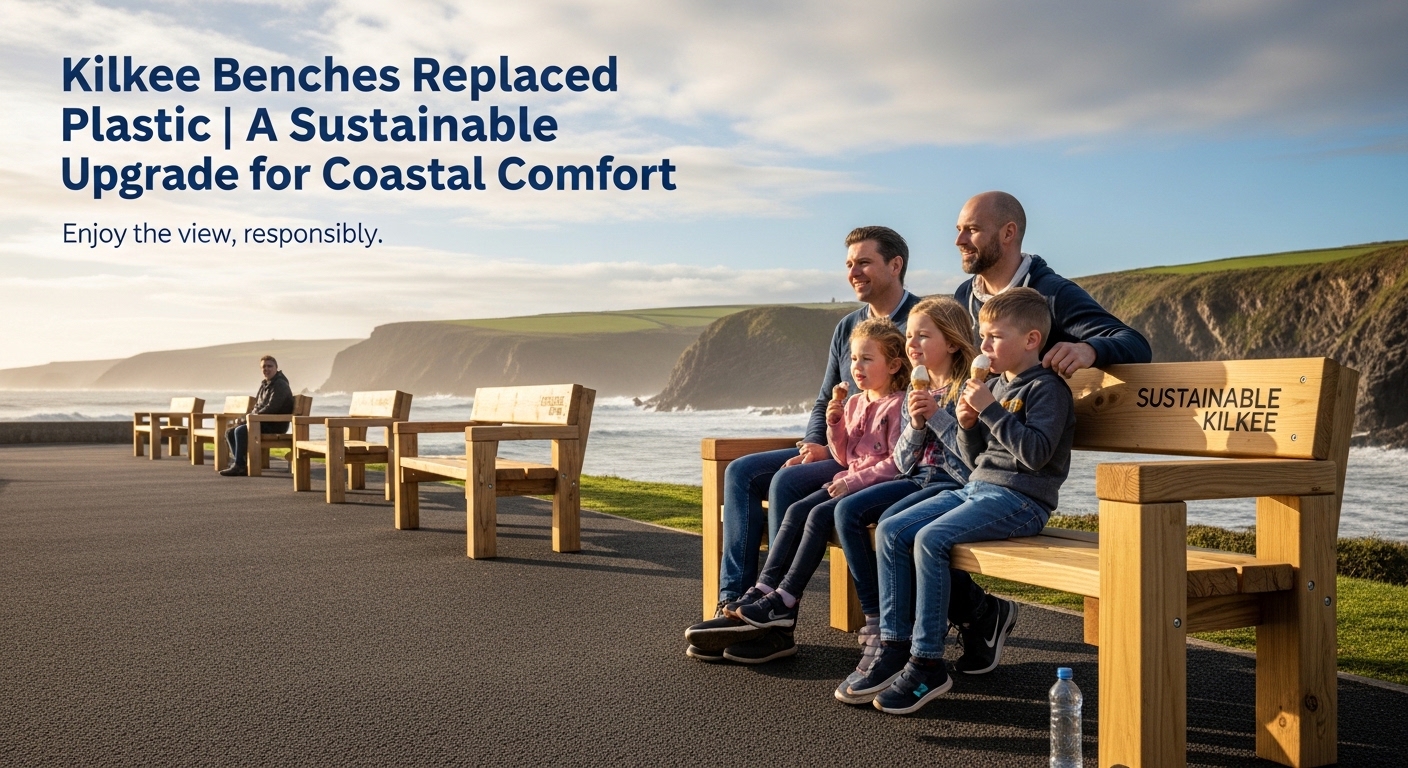
Public benches serve more than one function. They provide:
- Resting space
- Accessibility for older people
- Social gathering points
- Scenic viewing spots
Design choices affect how people experience public areas.
Key Design Factors
| Factor | Importance |
|---|---|
| Comfort | Ensures usability |
| Accessibility | Supports all users |
| Durability | Reduces repairs |
| Appearance | Shapes public space |
| Sustainability | Supports environment |
Role of Local Authorities
Local councils manage public infrastructure. Their responsibilities include:
- Ensuring safety
- Managing budgets
- Supporting sustainability
- Maintaining public spaces
In Kilkee, the decision focused on safety and long-term efficiency.
Sustainability in Coastal Town Planning
Coastal towns face unique challenges. These include:
- Climate exposure
- Tourism pressure
- Environmental protection
Sustainable materials help manage these issues.
Key Strategies
- Use of recycled materials
- Low-maintenance infrastructure
- Long-lasting designs
- Waste reduction practices
Kilkee’s bench replacement reflects these strategies.
If you are interested in coastal environmental management, you can also explore how Plum Island Southold NY 11957 handles conservation and public access in sensitive shoreline areas.
Broader Impact on Urban Planning
The Kilkee project shows how small upgrades can support larger goals.
Benefits for Other Towns
- Reduced maintenance budgets
- Improved public safety
- Better environmental outcomes
Many towns now adopt similar approaches for:
- Benches
- Waste bins
- Boardwalks
- Public furniture
For a different example of environmental preservation, Ohio Champion Trees Delaware County USD Lewis Center highlights how local programs protect natural assets through structured planning.
Challenges in Sustainable Upgrades
Despite benefits, some challenges remain:
Visual Impact
Recycled plastic benches may not match traditional designs.
Community Acceptance
Changes in public spaces often require consultation.
Material Perception
Some users prefer natural materials like wood.
Possible Improvement Approaches
Future projects can balance function and design.
Practical Options
- Use recycled materials with traditional colors
- Combine wood and plastic components
- Introduce design prototypes before full rollout
- Involve public feedback early
These steps can improve acceptance.
Key Facts About the Kilkee Bench Project
| Item | Detail |
|---|---|
| Location | Kilkee, Ireland |
| Year of Change | 2025 |
| Number of Benches Replaced | Around 20 |
| Material Used | Recycled plastic |
| Main Reason | Safety and durability |
| Secondary Reason | Sustainability |
Why This Upgrade Matters
The Kilkee benches replaced plastic project highlights a clear shift in public infrastructure planning.
Local authorities now prioritize:
- Safety
- Cost efficiency
- Environmental responsibility
Even small changes like bench replacement can reflect wider sustainability goals.